
Strabala
Chevrolat, 1836
Species Guides
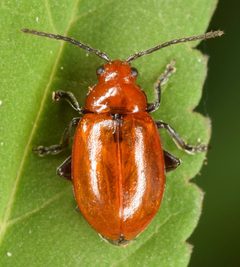
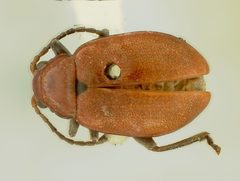
2Strabala is a of flea beetles ( Alticinae) in the Chrysomelidae. The genus contains approximately 30 described distributed across North America and the Neotropics. As members of the flea beetle group, species in this genus possess enlarged hind adapted for jumping. The genus was established by Chevrolat in 1836.
Pronunciation
How to pronounce Strabala: //strəˈbɑːlə//
These audio files are automatically generated. While they are not always 100% accurate, they are a good starting point.
Identification
in Strabala can be distinguished from other flea beetle by genitalia , particularly the structure of the male and female spermatheca. External characters useful for identification include body shape, punctation patterns on the , and antennal proportions, though these vary among species and require examination.
Images
Distribution
North America and the Neotropics. Distribution records include the United States (including Vermont) and extend southward through tropical regions of the Americas.
Similar Taxa
- AlticaBoth are flea beetle in Chrysomelidae with enlarged hind legs; Strabala is distinguished by genitalic characters and distribution patterns.
- DisonychaSimilar body form and jumping ability; Disonycha often have more contrasting color patterns and different plant associations.
More Details
Taxonomic history
The was described by Louis Alexandre Auguste Chevrolat in 1836. The Alticinae (flea beetles) contains over 500 genera, and Strabala represents one of the less commonly encountered New World genera.
Species diversity
Approximately 30 have been described, though the true diversity may be greater given limited collecting in parts of the Neotropical range. Species-level relies heavily on examination of internal genitalic structures.