
Phyllotreta undulata
Kutschera, 1860
small striped flea beetle, turnip flea beetle, Small Striped Flea-beetle
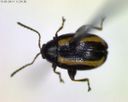
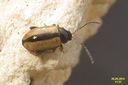
Phyllotreta undulata is a flea beetle in the Chrysomelidae, commonly known as the small striped flea beetle or turnip flea beetle. It is a widespread agricultural pest with a broad geographic distribution spanning multiple continents. The species is associated with damage to brassicaceous crops, particularly turnips and related plants.
Pronunciation
How to pronounce Phyllotreta undulata: //ˌfɪloʊˈtriːtə ˌʌndʊˈleɪtə//
These audio files are automatically generated. While they are not always 100% accurate, they are a good starting point.
Images
Distribution
Australia; Europe and Northern Asia (excluding China); North America; Oceania
Diet
Feeds on plants in the Brassicaceae, including turnips and related crops
Host Associations
- Brassicaceae - herbivorecrop pest, particularly on turnips
Behavior
jump readily when approached, characteristic of flea beetles
Ecological Role
Herbivore; agricultural pest on brassicaceous crops
Human Relevance
Agricultural pest causing damage to turnip and related brassica crops. Subject of research on neonicotinoid efficacy and cost-effectiveness. The has been used in studies demonstrating that reducing neonicotinoid-treated seed by one-third can maintain yields while reducing pesticide load.
Similar Taxa
- Phyllotreta cruciferaeSimilar size, appearance, and as a flea beetle pest of brassicaceous crops; both are mentioned in agricultural pest management contexts
More Details
Pest management research
Phyllotreta undulata was included in a 2008 study (Soroka et al.) examining the impact of decreasing ratios of -treated seed on flea beetle feeding levels and canola seed yields. The study found that reducing treated seed proportion by one-third maintained efficacy under low-to-medium feeding pressure, informing strategies.