
Glyptina
G.Horn, 1881
Species Guides
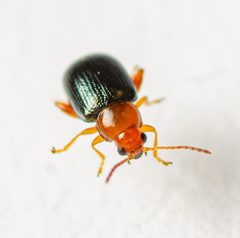
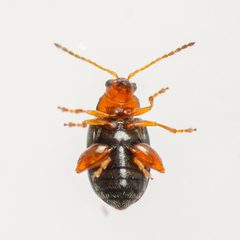
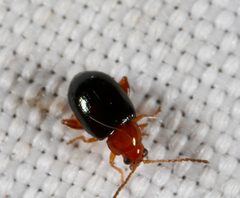
6Glyptina is a of flea beetles in the Chrysomelidae, first described by Horn in 1881. The genus contains approximately 15 described . Flea beetles in this group are characterized by their jumping ability, enabled by enlarged hind . Glyptina species are herbivorous and associated with various plants.
Pronunciation
How to pronounce Glyptina: //ɡlɪpˈtiː.nə//
These audio files are automatically generated. While they are not always 100% accurate, they are a good starting point.
Identification
Glyptina can be distinguished from other flea beetle by subtle morphological features of the and pronotum. Specific diagnostic characters require examination of and reference to original descriptions. Identification to level generally requires knowledge and comparison with described material.
Images
Habitat
Flea beetles in the Glyptina are associated with vegetation in terrestrial . Specific microhabitat preferences for individual are poorly documented in available sources.
Distribution
Distribution records for Glyptina are limited in the provided sources. The has been documented in North America based on taxonomic descriptions.
Diet
As members of Chrysomelidae, Glyptina are herbivorous and feed on plant material. Specific plant associations for most species in the have not been detailed in available literature.
Life Cycle
details specific to Glyptina are not documented in available sources. As Chrysomelidae, development presumably includes , larval, pupal, and stages, but this inference is not confirmed for this .
Behavior
Flea beetles in Glyptina possess the characteristic jumping ability of Alticini, using enlarged hind legs to escape . Other specific behavioral traits for the are not documented.
Ecological Role
As herbivorous beetles, Glyptina likely function as primary consumers in , transferring plant to higher . Their specific ecological impacts have not been quantified.
Human Relevance
The economic or agricultural significance of Glyptina is not documented. Some flea beetle are agricultural pests, but specific impacts of Glyptina on crops or ornamental plants are unknown.
Similar Taxa
- Other Alticini generaMany flea beetle share the enlarged hind and general body plan. Glyptina is distinguished by subtle differences in pronotal and elytral , requiring careful examination.
More Details
Taxonomic Note
There is a discrepancy in authorship and date between sources: Wikipedia cites Horn 1881, while GBIF cites LeConte 1859. Catalogue of Life treats Glyptina as a subtribe within Carabidae, which conflicts with other sources placing it as a in Chrysomelidae. The Chrysomelidae placement as a flea beetle genus (Alticini) is supported by multiple independent sources (Wikipedia, iNaturalist, NCBI, GBIF) and is accepted here.