
Colaspis pini
Barber, 1937
Pine Colaspis
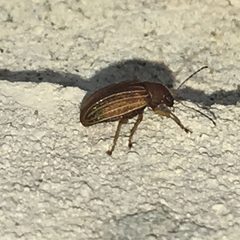
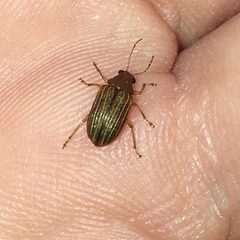
Colaspis pini, commonly known as the pine colaspis, is a leaf beetle in the Chrysomelidae. First described by American entomologist Herbert Spencer Barber in 1937, this is known to feed on pines in the southern United States. It has been documented as an occasional pest of Christmas trees. The species is externally almost identical to Colaspis flavocostata but can be distinguished by the shape of the male . Two are recognized: C. p. pini and C. p. schotti.
Pronunciation
How to pronounce Colaspis pini: //ˈkɒləsˌpɪs ˈpaɪnaɪ//
These audio files are automatically generated. While they are not always 100% accurate, they are a good starting point.
Identification
Differs from the externally similar Colaspis flavocostata by the shape of the . Resembles Colaspis brunnea (the grape colaspis) in general appearance. No other distinguishing features documented.
Images
Appearance
Externally almost identical to Colaspis flavocostata. Specific morphological details beyond this similarity are not documented in available sources.
Habitat
Associated with pine trees in the southern United States. Specific requirements beyond association are not documented.
Distribution
North America, specifically the southern United States. Exact range boundaries are not documented in available sources.
Diet
Feeds on pines (Pinus spp.). Specific pine consumed are not documented beyond general pine association.
Host Associations
- Pinus - Feeding ; specific pine not documented
Ecological Role
Herbivore feeding on pine foliage. Occasional pest status on Christmas trees suggests minor economic impact in managed settings.
Human Relevance
Occasional pest of Christmas trees. No other documented interactions with humans.
Similar Taxa
- Colaspis flavocostataExternally almost identical; distinguished by male shape
- Colaspis brunneaResembles in general appearance; known as the grape colaspis with different associations
More Details
Subspecies
Two recognized: Colaspis pini pini Barber, 1937 and Colaspis pini schotti Barber, 1937
Taxonomic History
First described by Herbert Spencer Barber in 1937
Sources and further reading
- BugGuide
- Wikipedia
- GBIF taxonomy match
- iNaturalist taxon
- First internet image of Phaenops piniedulis | Beetles In The Bush
- Bug Eric: Striped Pine Scale
- Treating Southern Soybeans with Neonicotinoids Yields Economic Benefits After All
- Bug Eric: That's Not an Ant?!
- Pests, Predators, and Parasitoids: Wasps Target Flies That Eat Hemlock Woolly Adelgid
- Tick Surveillance and Control Lagging in U.S., Study Shows