Pachybrachis subfasciatus
(J.E.LeConte, 1824)
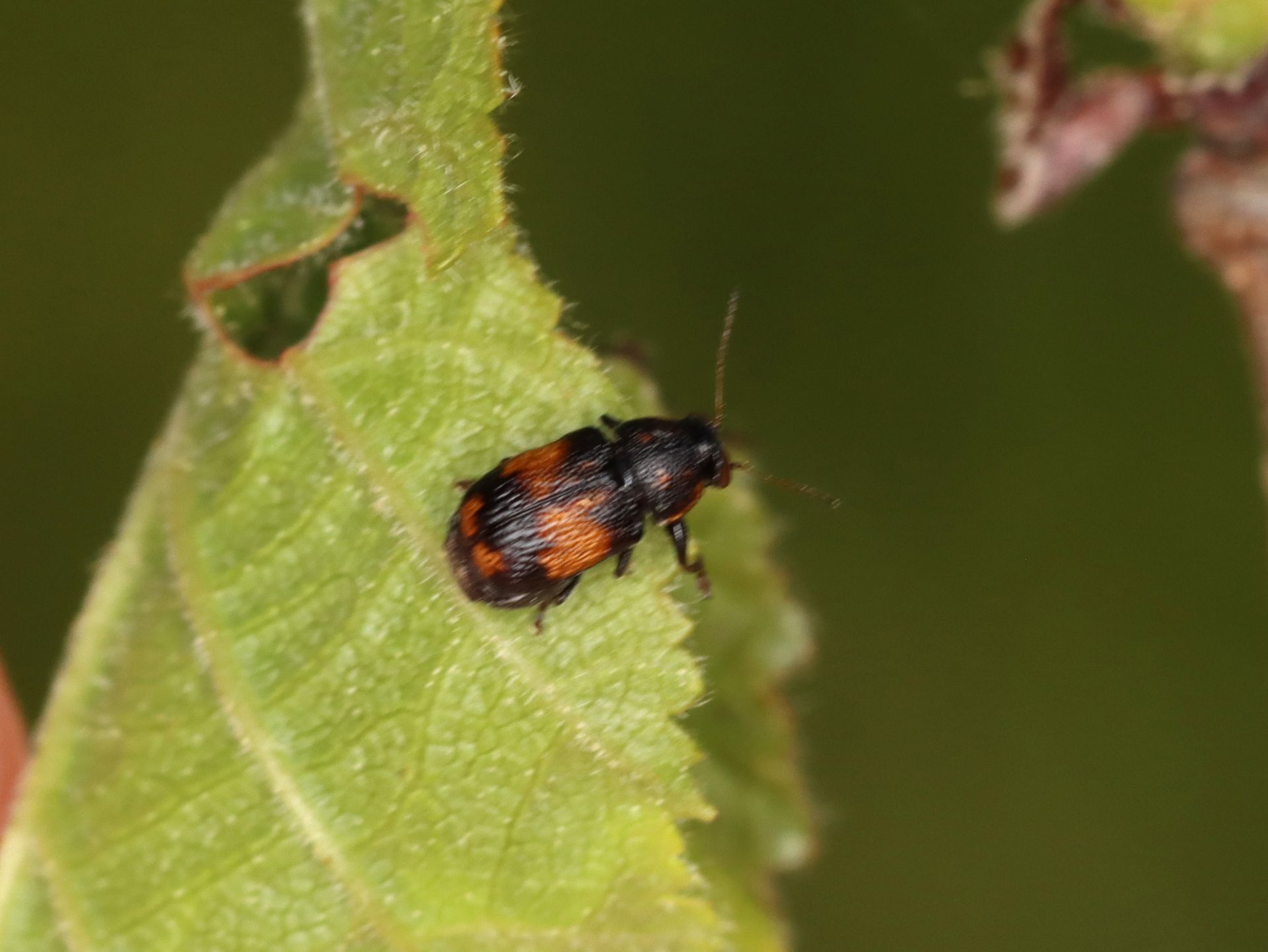
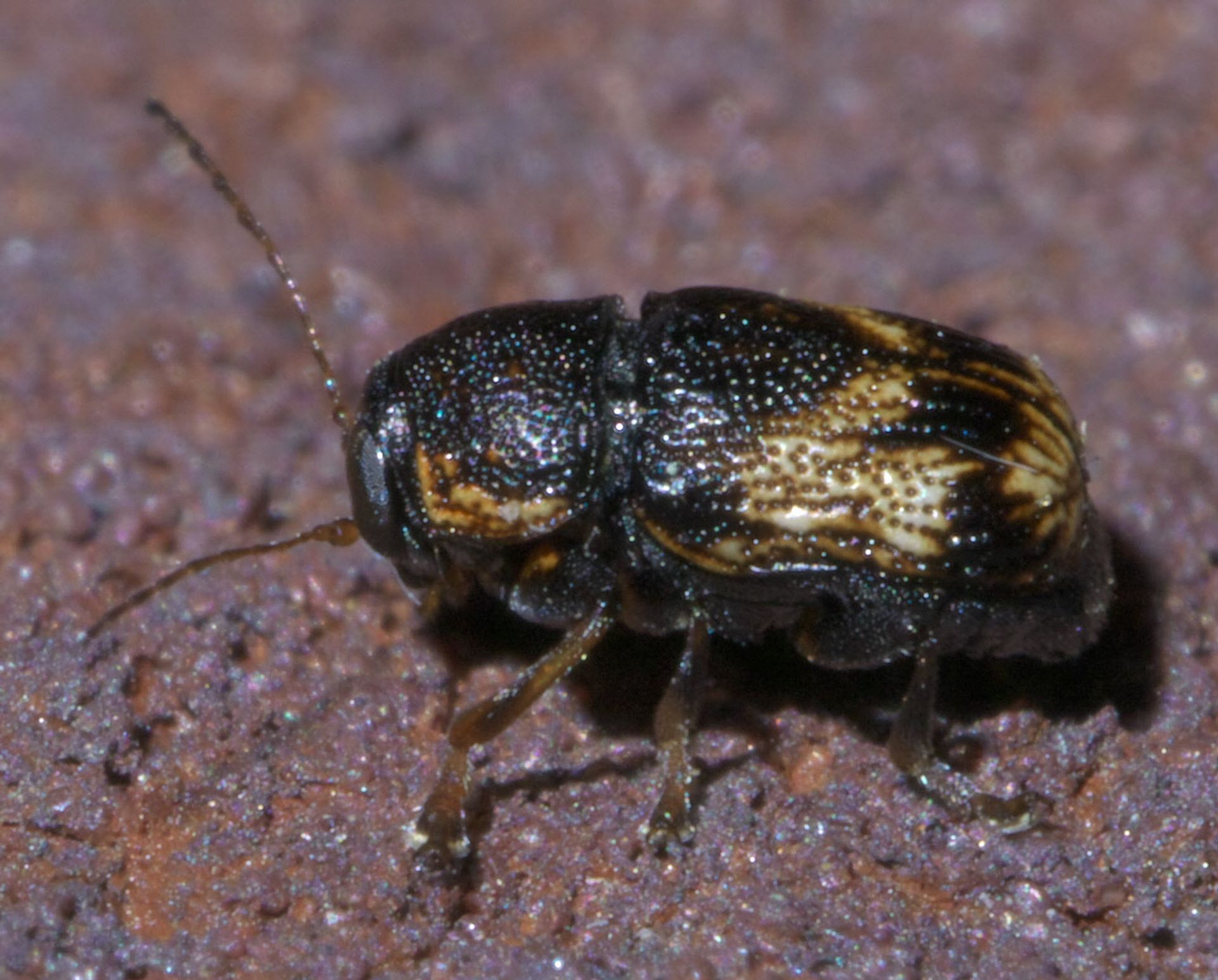
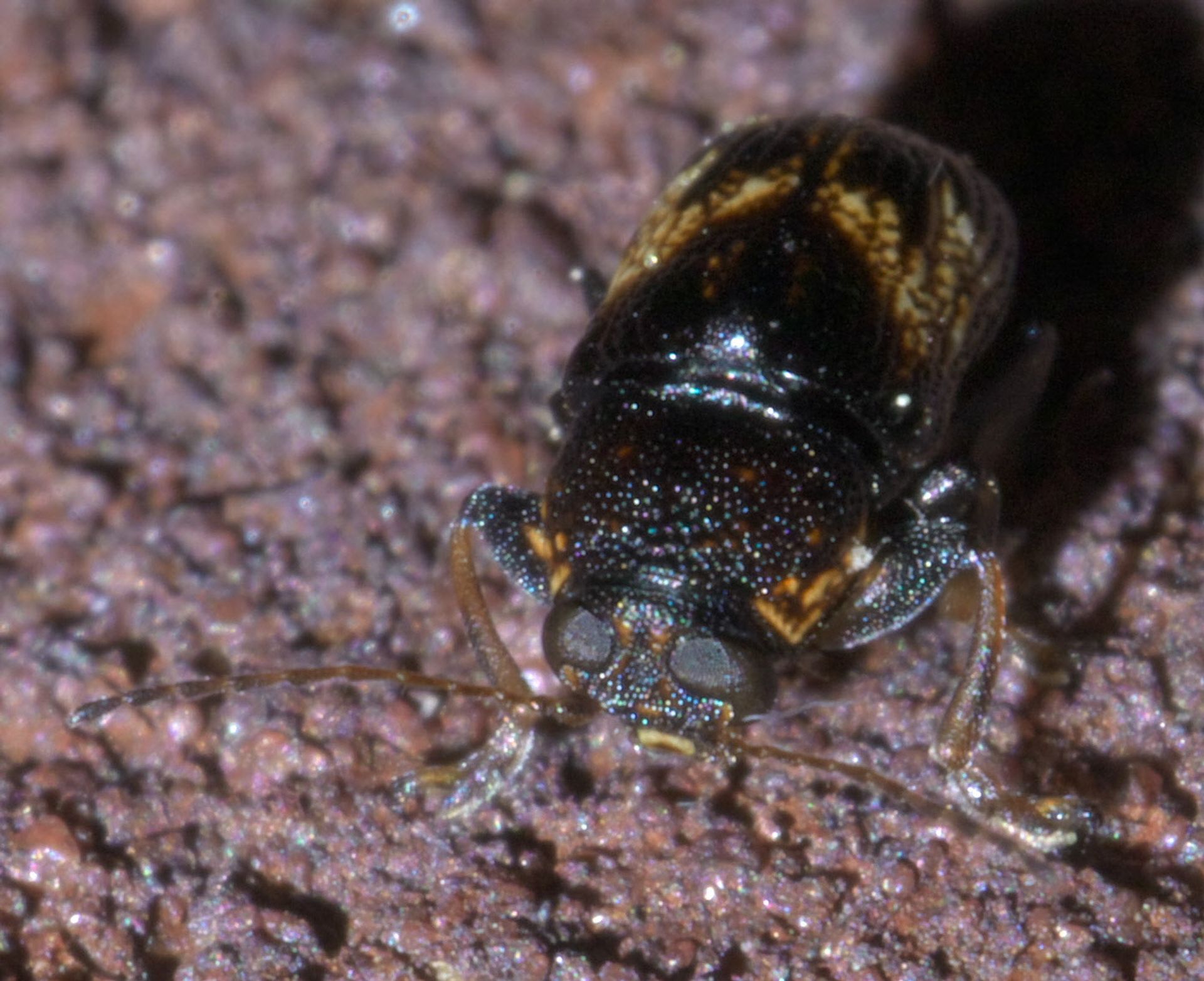
Pachybrachis subfasciatus is a of case-bearing leaf beetle in the Chrysomelidae. It is a small native to North America, with records from Canada (Manitoba, Ontario) and the United States. The species is part of the diverse Pachybrachis, which contains numerous similar-looking species that are often difficult to distinguish without close examination.
Pronunciation
How to pronounce Pachybrachis subfasciatus: //ˌpækɪˈbreɪkɪs ˌsʌbfəˈsɪeɪtəs//
These audio files are automatically generated. While they are not always 100% accurate, they are a good starting point.
Identification
Pachybrachis subfasciatus is distinguished from other Pachybrachis primarily by subtle differences in elytral coloration and maculation patterns. The specific epithet 'subfasciatus' suggests incompletely banded or sub-banded markings on the . Accurate identification to species level in this typically requires examination of genitalic characters and comparison with or authoritative keys. The species is similar to other North American Pachybrachis such as P. tridens and P. bivittatus, but differs in the precise configuration of pale and dark markings on the elytra.
Images
Appearance
As a member of the Pachybrachis, this is a small leaf beetle, typically 3–5 mm in length. Members of this genus generally have an oval, convex body form with a smooth or finely punctured surface. The often display contrasting color patterns of dark and light markings, which may include fasciate (banded) patterns as suggested by the species epithet. Like other case-bearing leaf beetles, have a compact body with relatively short and legs adapted for clinging to vegetation.
Distribution
North America. Documented from Canada (Manitoba, Ontario) and the United States. The occurs in temperate regions of the continent.
Similar Taxa
- Pachybrachis tridensSimilar size, body form, and general elytral patterning; distinguished by differences in the arrangement of pale markings on the .
- Pachybrachis bivittatusAnother North American with banded elytral patterns; differs in the extent and shape of pale vittae (stripes) versus fasciae (bands).
- Other Pachybrachis speciesThe contains many superficially similar ; definitive identification requires examination of microscopic characters.
More Details
Taxonomic note
The Pachybrachis is taxonomically challenging, with many described based on subtle color pattern variations that may be individually variable. Modern revisions using genitalic and molecular characters have helped clarify species boundaries, but many specimens in collections remain difficult to assign confidently to species.
Collecting note
Based on field observations from southeastern Arizona, Pachybrachis (including P. subfasciatus) have been collected at ultraviolet and mercury-vapor light stations in oak/juniper woodland , suggesting activity or attraction to light sources.