Stenelytrana
Gistel, 1848
Species Guides
3- Stenelytrana emarginata(flower longhorn beetle)
- Stenelytrana gigas(Gigas Longhorn Beetle)
- Stenelytrana splendens
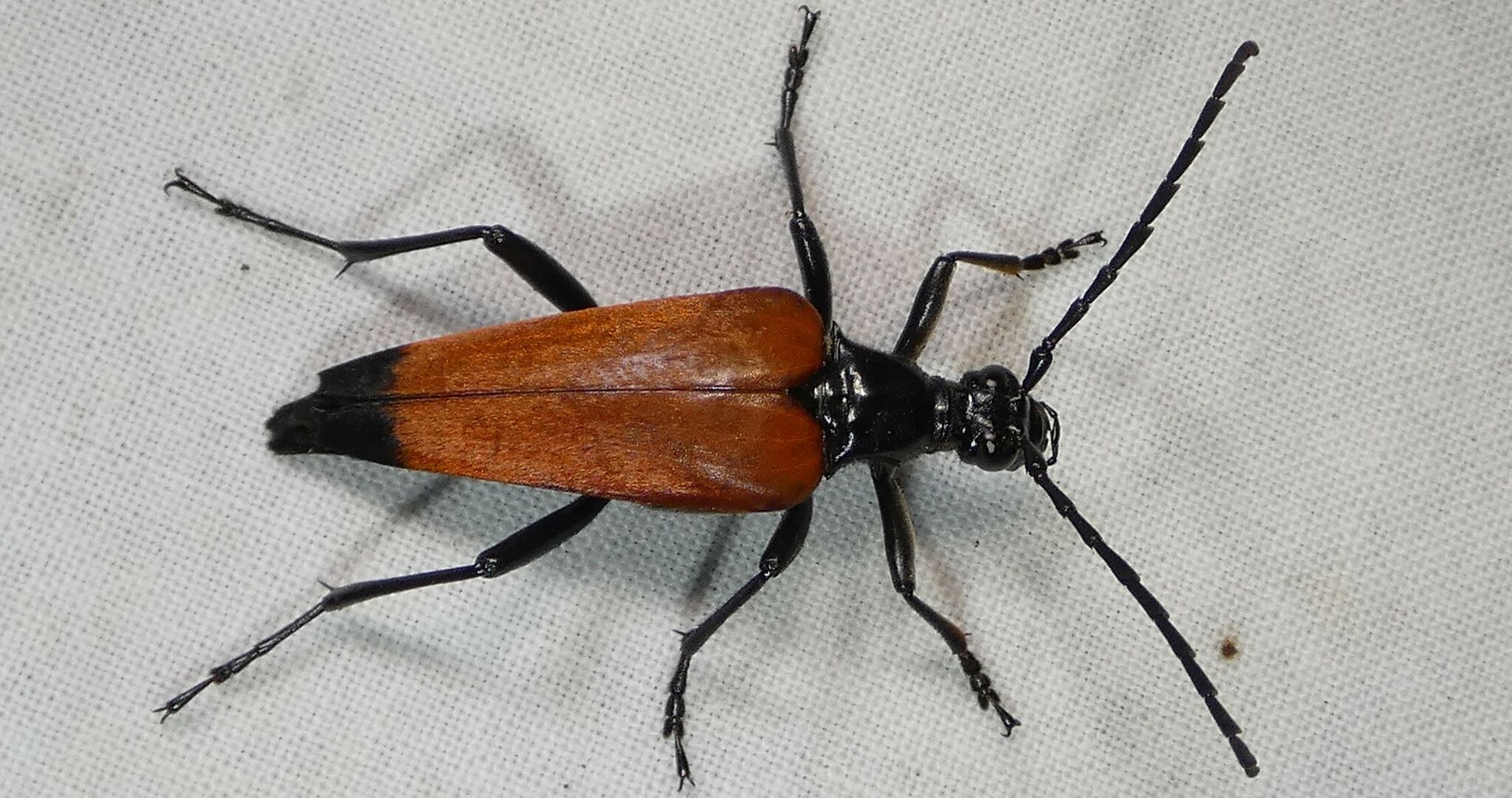
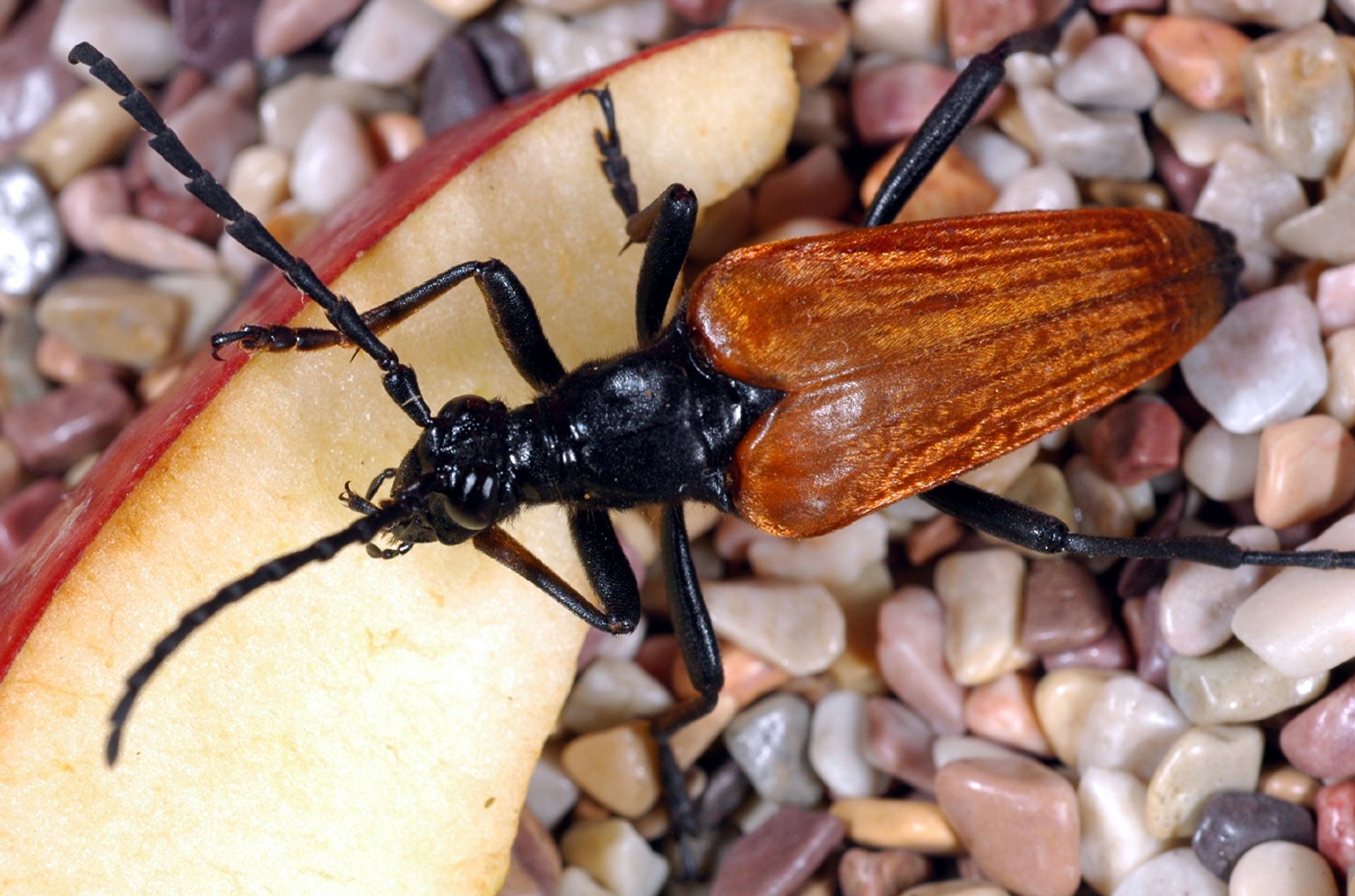
Stenelytrana is a of longhorn beetles in the Lepturinae, first described by Gistel in 1848. The genus contains four recognized distributed in North and South America. Members of this genus are flower-visiting cerambycids, a trait characteristic of the Lepturinae subfamily.
Pronunciation
How to pronounce Stenelytrana: /stɛnɛˈlɪtrənə/
These audio files are automatically generated. While they are not always 100% accurate, they are a good starting point.
Identification
within Stenelytrana can be distinguished by subtle differences in elytral coloration, body size, and geographic distribution. Stenelytrana gigas is notably larger than . Stenelytrana emarginata is the most widely distributed species in eastern North America. Detailed identification requires examination of antennal proportions, pronotal shape, and male genitalia.
Images
Distribution
North and South America. Stenelytrana emarginata occurs in eastern North America from Canada to Florida. Stenelytrana gigas is found in western North America. Stenelytrana bonaerensis is known from Argentina. Stenelytrana splendens has been recorded from the southwestern United States.
Behavior
have been observed visiting flowers, consistent with the flower-visiting habit documented for Lepturinae longhorn beetles.
Similar Taxa
- LepturaSimilar flower-visiting and general body form in Lepturinae; Stenelytrana often historically confused with or synonymized under Leptura before generic revision.
- StrangaliaOverlaps in floral visitation habits and some share similar color patterns; distinguished by antennal and genitalic characters.
More Details
Taxonomic history
The has undergone taxonomic revision, with previously placed in Leptura or other related genera.
Etymology
The name derives from Greek 'stenos' (narrow) and '' (/cover), likely referring to the narrow elytra characteristic of the group.