
Pseudostrangalia
Swaine & Hopping, 1928
Species Guides
1Pseudostrangalia is a of longhorn beetles (Cerambycidae) in the Lepturinae. The genus contains a single described , Pseudostrangalia cruentata. It was established by Swaine and Hopping in 1928. Members of this genus are classified within the tribe Lepturini, a group commonly known as flower longhorns due to their frequent association with flowers as .
Pronunciation
How to pronounce Pseudostrangalia: /ˌsjuːdoʊstrænˈɡeɪliə/
These audio files are automatically generated. While they are not always 100% accurate, they are a good starting point.
Identification
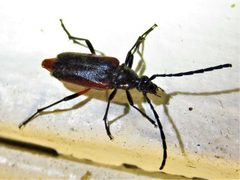
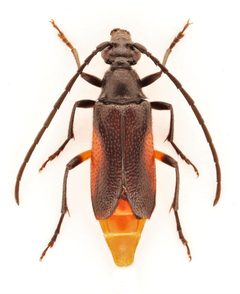
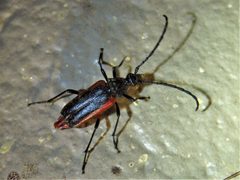
As a , Pseudostrangalia is effectively synonymous with its sole , P. cruentata. Generic-level identification relies on characters that distinguish it from related genera within Lepturini, particularly Strangalia, from which it is distinguished by subtle morphological differences in antennal structure, pronotal shape, and elytral patterning. The specific epithet 'cruentata' (meaning 'blood-stained') likely refers to reddish or maculate coloration on the .
Images
Similar Taxa
- StrangaliaThe type of tribe Lepturini, from which Pseudostrangalia was separated based on minor morphological distinctions; in both genera share similar flower-visiting habits and elongated bodies.
- LepturaAnother core of Lepturini with similar overall ; Pseudostrangalia has been historically confused with or subsumed under related genera before its elevation to generic status.
More Details
Monotypy
The is , containing only Pseudostrangalia cruentata. This limits the generalizability of any -level observations to the genus as a whole.
Taxonomic history
Originally described by Swaine and Hopping in 1928, the has remained poorly studied with limited subsequent taxonomic revision. Its validity as distinct from Strangalia has been maintained in modern classifications.