
Goes debilis
LeConte, 1852
Oak Branch Borer
Goes debilis, commonly known as the Oak Branch Borer, is a longhorn beetle ( Cerambycidae) described by John Lawrence LeConte in 1852. The develops in living oak branches, making it distinctive among wood-boring beetles that typically colonize dead or dying wood. It is native to North America with records from the United States and Canada.
Pronunciation
How to pronounce Goes debilis: //ˈɡoʊ.iːz ˈdɛbɪlɪs//
These audio files are automatically generated. While they are not always 100% accurate, they are a good starting point.
Images
Habitat
Living oak branches. Unlike many cerambycids that colonize dead wood, this has been documented developing in living oak branches.
Distribution
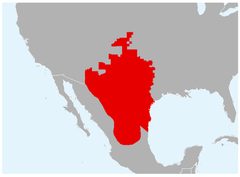
North America. Documented from the United States and Canada, with specific records from Ontario and Québec.
Host Associations
- Quercus - larval Larvae develop in living oak branches. Specific oak not documented in available sources.
More Details
Taxonomic history
Described by John Lawrence LeConte in 1852. The specific epithet 'debilis' is Latin for 'weak' or 'feeble', though the etymological basis for this name is not documented in available sources.