
Opsimini
Genus Guides
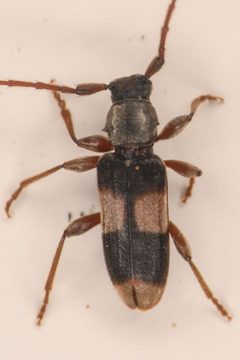
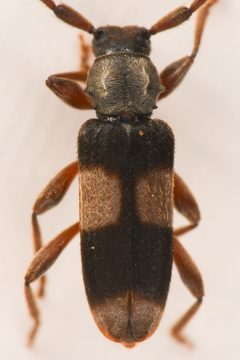
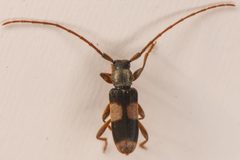
2Opsimini is a tribe of longhorned beetles within the Cerambycinae. The tribe comprises four : Dicentrus, Europsimus, Japonopsimus, and Opsimus, with a total of nine described . Most species are geographically restricted, with distributions spanning North America, Europe, and East Asia. The tribe is characterized by relatively small body size and reduced antennal length compared to many other cerambycine tribes.
Pronunciation
How to pronounce Opsimini: /ˌɒpsɪˈmaɪnaɪ/
These audio files are automatically generated. While they are not always 100% accurate, they are a good starting point.
Identification
Opsimini can be distinguished from related cerambycine tribes by the combination of small body size, relatively short that do not greatly exceed body length, and specific elytral sculpturing patterns. Within the tribe, are separated by geographic distribution and subtle differences in pronotal and elytral . Dicentrus possess distinctive bidentate ; Europsimus and Japonopsimus show Oriental and Palearctic distributions respectively; Opsimus is characterized by quadrilineate elytral markings.
Images
Distribution
Similar Taxa
- TrachyderiniBoth tribes occur within Cerambycinae and include flower-visiting , but Trachyderini are generally larger, more brightly colored, and have longer relative to body length.
- CallichrominiShare Cerambycinae but differ in larger body size, often metallic coloration, and predominantly tropical distribution.
More Details
Historical taxonomy
The tribe was established by Linsley in his 1962 monograph of North American Cerambycidae, where he treated the and classification of Cerambycinae tribes from Opsimini through Megaderini.
Fossil record
Japonopsimus balticus is known from Baltic amber deposits, indicating the formerly occurred in Europe during the Eocene and has since become restricted to East Asia.