
Acneus quadrimaculatus
Horn, 1880
water penny beetle
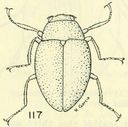
Acneus quadrimaculatus is a of water penny beetle in the Psephenidae. It is to the United States with confirmed records from California and Oregon. are found in riparian vegetation near aquatic . The species was described by Horn in 1880.

Pronunciation
How to pronounce Acneus quadrimaculatus: //ækˈniː.əs kwɔːˌdraɪ.mækjʊˈleɪtəs//
These audio files are automatically generated. While they are not always 100% accurate, they are a good starting point.
Identification
can be distinguished from similar riparian beetles by their association with Psephenidae characteristics: short, clubbed or serrate , and compact body form. The four-spotted elytral pattern indicated by the name may help separate it from . Larvae are unmistakable due to their flattened, circular shape and aquatic . Differentiation from other Acneus species requires examination of genitalic structures and detailed elytral punctation patterns.
Images
Habitat
Riparian zones with aquatic environments. occur in vegetation along streams and rivers. Larvae develop in aquatic , typically on rocky or woody substrates in flowing or standing water where they graze on periphyton.
Distribution
to the United States. Confirmed records from California and Oregon. GBIF and iNaturalist data suggest broader North American presence, though specific locality records beyond the western states are not well substantiated in primary literature.
Life Cycle
Complete (holometabolous) with , larval, pupal, and stages. Larvae are aquatic and undergo multiple instars. occurs in moist riparian substrates. Adults are terrestrial but remain near aquatic .
Behavior
are found in riparian vegetation, suggesting limited from aquatic breeding sites. Larvae are benthic, clinging to substrates in flowing water using sucking discs formed by gill tufts.
Ecological Role
Larvae function as grazers in aquatic , consuming and organic detritus. They contribute to nutrient cycling in stream and river . serve as prey for riparian and may contribute to pollination of riparian vegetation.
Human Relevance
No direct economic importance. May serve as bioindicators of water quality due to aquatic larval requirements. Not a pest .
Similar Taxa
- Other Acneus speciesSimilar riparian and ; require detailed examination of genitalia and elytral patterns for definitive identification
- Psephenus spp.Congeneric water penny beetles with similar larval form; differ in elytral patterns and geographic distribution
- Eubrianax spp.Related psephenid beetles with overlapping western North American distribution; differ in body proportions and antennal structure
More Details
Taxonomic History
Described by George Henry Horn in 1880. The Acneus was established by LeConte in 1854. Psephenidae remain under study, with some authorities recognizing Eubrianacinae for Acneus and related genera.
Conservation Status
Not formally assessed by IUCN or NatureServe. Riparian degradation and water pollution likely represent primary threats given aquatic larval requirements.
Sources and further reading
- BugGuide
- Wikipedia
- GBIF taxonomy match
- iNaturalist taxon
- Mosquitoes, Malaria and the Civil War | Bug Squad
- Meloidae Holdings | Entomology Research Museum
- Publications | Entomology Research Museum
- Anopheles quadrimaculatus mosquito larvae in pollen - Entomology Today
- Plant Pollen May Be Important Food Source for Some Mosquitoes in U.S.
- How One State's Mosquito Data Could Reduce Risk of Malaria Returning to U.S.