
Aphanisticus
Latreille, 1810
metallic wood-boring beetles
Species Guides
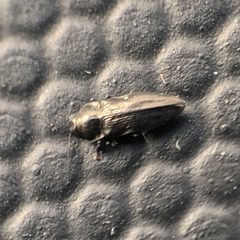
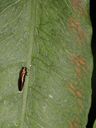
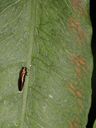
2Aphanisticus is a large of metallic wood-boring beetles in the Buprestidae, comprising more than 360 described distributed across every continent except Antarctica. The genus exhibits remarkable distribution, with species inhabiting diverse environments from tropical to temperate regions. are typically small and often exhibit metallic coloration characteristic of the family.
Pronunciation
How to pronounce Aphanisticus: //ˌæf.əˈnɪs.tɪ.kəs//
These audio files are automatically generated. While they are not always 100% accurate, they are a good starting point.
Identification
within Aphanisticus are generally small-bodied buprestids, often less than 10 mm in length. Distinguishing features include compact body form, short , and often subdued metallic coloration compared to more vividly colored buprestid . Specific identification to species level requires examination of subtle morphological characters including pronotal and elytral , antennal structure, and male genitalia. The genus is distinguished from similar small buprestid genera by combinations of characters including body proportions and the structure of the prosternal process.
Images
Distribution
distribution spanning all continents except Antarctica. occur across Africa, Asia, Europe, North America, South America, and Australia/Oceania. The demonstrates particular diversity in tropical and subtropical regions, with multiple species documented in Southeast Asia (type region for A. cochinchinae), Africa, and the Americas.
Similar Taxa
- AcmaeoderaBoth are small to medium-sized buprestid with metallic coloration; Acmaeodera often have more vivid maculations and are frequently flower-visitors, whereas Aphanisticus species tend toward more subdued coloration and are less commonly associated with flowers.
- AgrilusSimilar small body size and wood-boring habits; Agrilus is distinguished by more elongate body form, different antennal structure, and typically more pronounced elytral .
- ChrysobothrisOverlapping in size range and general appearance; Chrysobothris typically have more robust body form, distinct pronotal margins, and often exhibit characteristic elytral or depressions.