
Orphinus fulvipes
Guérin-Méneville, 1836
carpet beetle
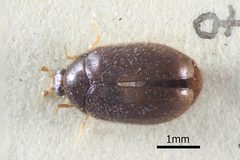
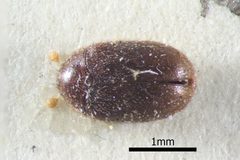
Orphinus fulvipes is a small carpet beetle in the Dermestidae. It has a documented body length of 2.5 mm. The species exhibits a broad intercontinental distribution spanning North America, South Asia, Oceania, and Europe. As a member of Dermestidae, it is likely associated with keratinous or dried organic materials, though specific ecological details remain poorly documented.
Pronunciation
How to pronounce Orphinus fulvipes: /ɔrˈfaɪnəs ˈfʊlvɪˌpiːz/
These audio files are automatically generated. While they are not always 100% accurate, they are a good starting point.
Identification
Distinguished from other Orphinus and dermestid by combination of small size (2.5 mm) and specific antennal and body proportions. Precise identification requires examination of antennal club structure, elytral punctation patterns, and male genitalia. Separation from such as Orphinus marmoratus and other small dermestids necessitates taxonomic keys.
Images
Distribution
Documented from North America, South Asia, Oceania, and Europe. GBIF records indicate presence in France with additional doubtful record from Belgium. Distribution pattern suggests or widely dispersed status, possibly associated with human commerce.
Human Relevance
As a dermestid , may be associated with stored products or household materials containing keratin or dried organic matter, though specific pest status is not documented. Potential minor pest of dried goods, textiles, or museum specimens based on -level characteristics.
Similar Taxa
- Orphinus marmoratusSimilar small dermestid in same ; requires detailed examination of punctation and antennal structure for separation
- Anthrenus spp.Other small dermestid carpet beetles; Orphinus distinguished by antennal club structure and body proportions
- Attagenus spp.Larger dermestid beetles with more elongate body form; Orphinus fulvipes smaller and more compact
More Details
Taxonomic history
Originally described by Guérin-Méneville in 1836. The specific epithet 'fulvipes' (Latin: fulvus = tawny/yellow, pes = foot) likely refers to yellowish leg or tarsal coloration.
Collection records
iNaturalist documents 24 observations, indicating it is encountered with some regularity by naturalists, though remains relatively underreported compared to more conspicuous dermestid pests.