
Megatoma pubescens
(Zetterstedt, 1828)
Pubescent Carpet Beetle
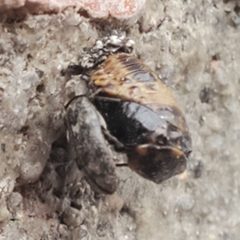
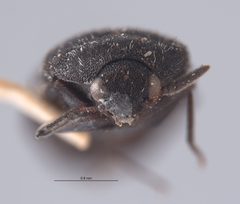
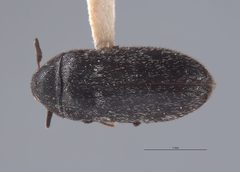
Megatoma pubescens is a of carpet beetle in the Dermestidae. It is found in North America and Europe. The species is commonly known as the Pubescent Carpet Beetle. Like other dermestid beetles, it belongs to a family whose larvae feed on dry organic materials including animal products, plant matter, and natural fibers.
Pronunciation
How to pronounce Megatoma pubescens: /mɛˈɡætəmə pjuˈbɛsɛnz/
These audio files are automatically generated. While they are not always 100% accurate, they are a good starting point.
Identification
The specific epithet 'pubescens' refers to the hairy or pubescent appearance, which may help distinguish this from other Megatoma species. Accurate identification typically requires examination of microscopic characters including antennal structure, pattern of and setae, and male genitalia. Members of the Megatoma can be distinguished from related carpet beetle genera by their generally larger size and characteristic body shape.
Images
Distribution
North America (including Canadian provinces of Alberta, British Columbia, and Québec) and Europe. GBIF records confirm presence in western and eastern Canada.
Ecological Role
As a member of Dermestidae, this likely contributes to nutrient cycling by breaking down dry organic matter, particularly animal-derived materials such as hair, feathers, and skin. Dermestid beetles serve as important decomposers in terrestrial .
Human Relevance
Dermestid beetles, including in the Megatoma, are frequently associated with stored products and museum collections where their larvae can cause damage to natural history specimens, textiles, and other dry organic materials. Some dermestid species are also used professionally for cleaning skeletal remains in forensic and museum contexts, though whether M. pubescens is specifically used for this purpose is not documented.
Similar Taxa
- Other Megatoma speciesMembers of the Megatoma share similar body plans and ecological habits, requiring detailed morphological examination for accurate -level identification.
- Anthrenus spp. (varied carpet beetles)These common dermestids share similar size range and larval habits of feeding on dry organic matter, but differ in coloration patterns and antennal structure.
- Trogoderma spp. (warehouse beetles)These dermestids have similar ecological roles as stored product pests, but Trogoderma typically have more distinctly patterned and different antennal club structure.
More Details
Taxonomic note
The was first described by Zetterstedt in 1828. The Megatoma is part of the diverse Dermestidae, which contains approximately 500-700 species worldwide. The family is notable for its economic importance both as pests and as beneficial agents in forensic and museum contexts.
Data limitations
Despite being a described with a transatlantic distribution, detailed biological information about M. pubescens appears sparse in the accessible literature. Most information about the and may not apply specifically to this species without verification.