
Pachydrus
Sharp, 1882
Species Guides
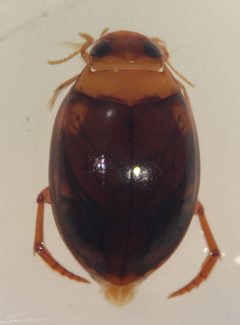
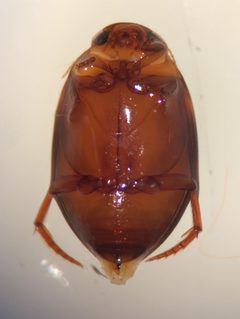
1Pachydrus is a of diving beetles in the Dytiscidae, established by Sharp in 1882. The genus belongs to the tribe Pachydrini within the Hydroporinae. It contains nine described distributed primarily in South America, with records from Colombia and surrounding regions. As with other dytiscids, members are aquatic inhabiting freshwater environments.
Pronunciation
How to pronounce Pachydrus: //pəˈkɪdrʊs//
These audio files are automatically generated. While they are not always 100% accurate, they are a good starting point.
Identification
Members of Pachydrus can be distinguished from other Hydroporinae by tribal characteristics shared with Pachydrini. The genus name (from Greek 'pachy-' meaning thick and 'drus' meaning oak or tree) may refer to body form, though specific diagnostic features require examination of male genitalia and other subtle morphological traits. Identification to level is challenging and typically requires examination.
Images
Habitat
Freshwater aquatic environments including wetlands, marshes, and standing water bodies. GBIF records indicate presence in wetland complexes and ciénagas (marshy lagoons) in Colombia.
Distribution
South America, with confirmed records from Colombia (departments of Arauca, Bolívar, Boyacá, Chocó, Guaviare, Valle del Cauca, and Vaupés). The likely has broader distribution in northern South America given the ranges of constituent .
Similar Taxa
- Other Hydroporinae generaPachydrus shares placement with numerous small diving ; separation requires examination of tribal-level characters and male genitalia structure.
- Pachydrini tribe membersOther within Pachydrini (such as Allodessus in some classifications) may show convergent ; precise generic boundaries rely on subtle structural differences.
More Details
Taxonomic history
The was erected by David Sharp in 1882. Some were originally described in other genera (Hydroporus, Bidessus) and later transferred to Pachydrus. The tribal placement in Pachydrini reflects refined understanding of hydroporine relationships.
Species diversity
Nine are currently recognized: P. brevis, P. cayennensis, P. cribratus, P. globosus, P. obesus, P. obniger, P. politus, P. princeps, and P. ritsemae. Several were described by Sharp in the same 1882 paper that established the .