Heterosternuta
Strand, 1935
Species Guides
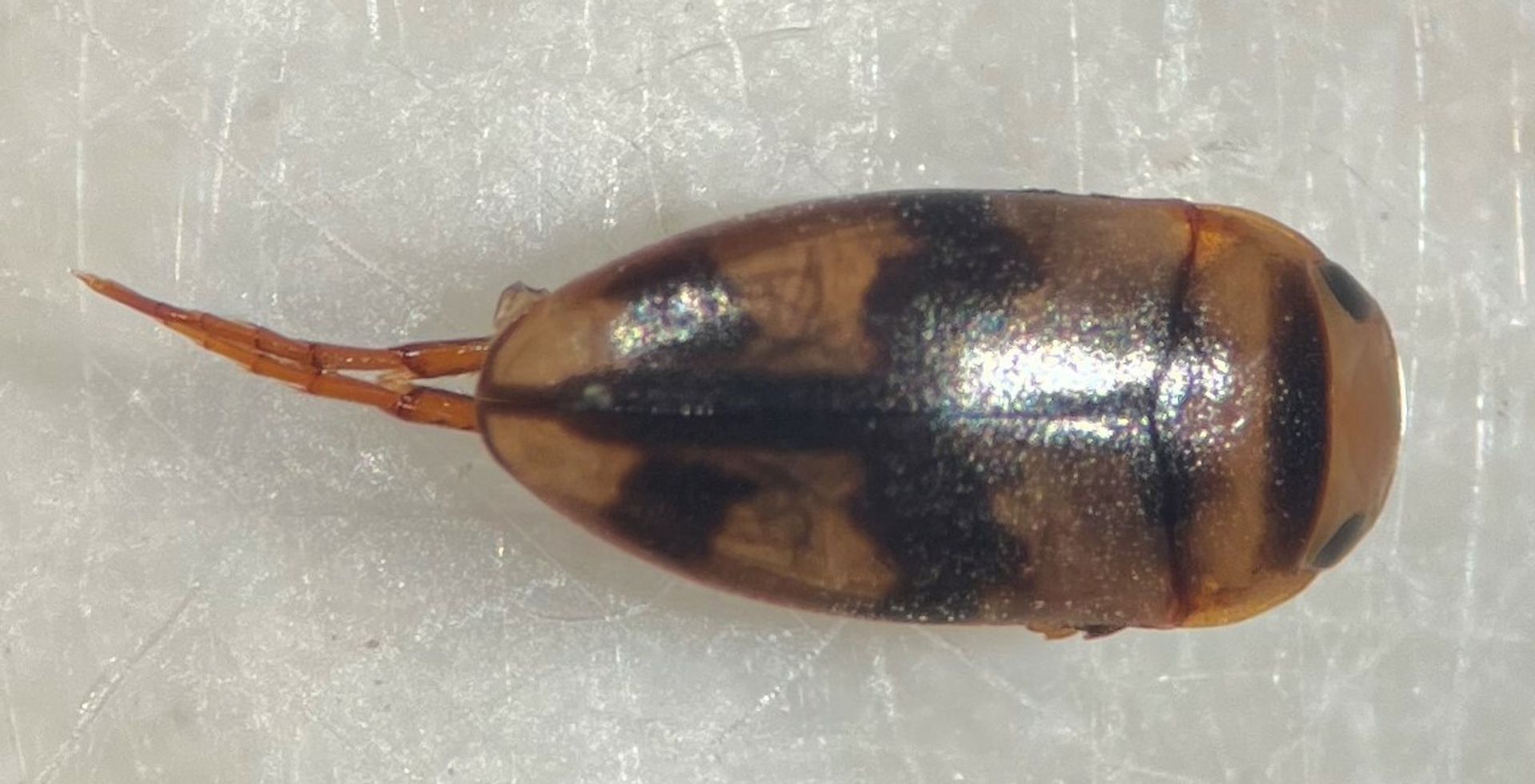
6Heterosternuta is a of predaceous diving beetles (Dytiscidae: Hydroporinae) established by Strand in 1935. The genus comprises approximately 14 described , several of which are narrow endemics with restricted distributions in the south-central United States. Multiple species are associated with spring-fed aquatic , particularly in the Ouachita Mountains of Arkansas. Several species have been subjects of conservation concern due to their limited ranges and specialized habitat requirements.
Pronunciation
How to pronounce Heterosternuta: /ˌhɛtɛroʊstərˈnuːtə/
These audio files are automatically generated. While they are not always 100% accurate, they are a good starting point.
Identification
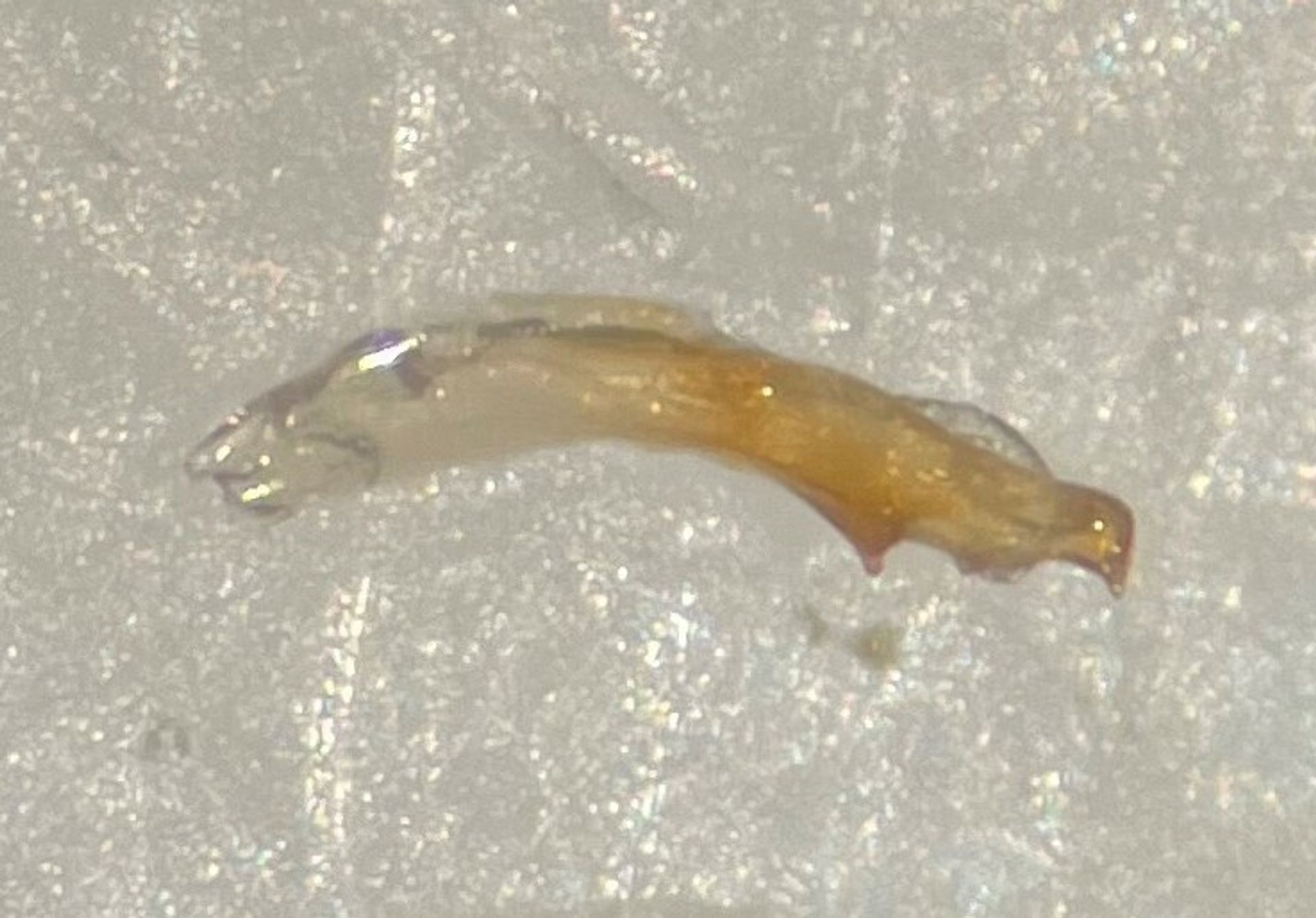
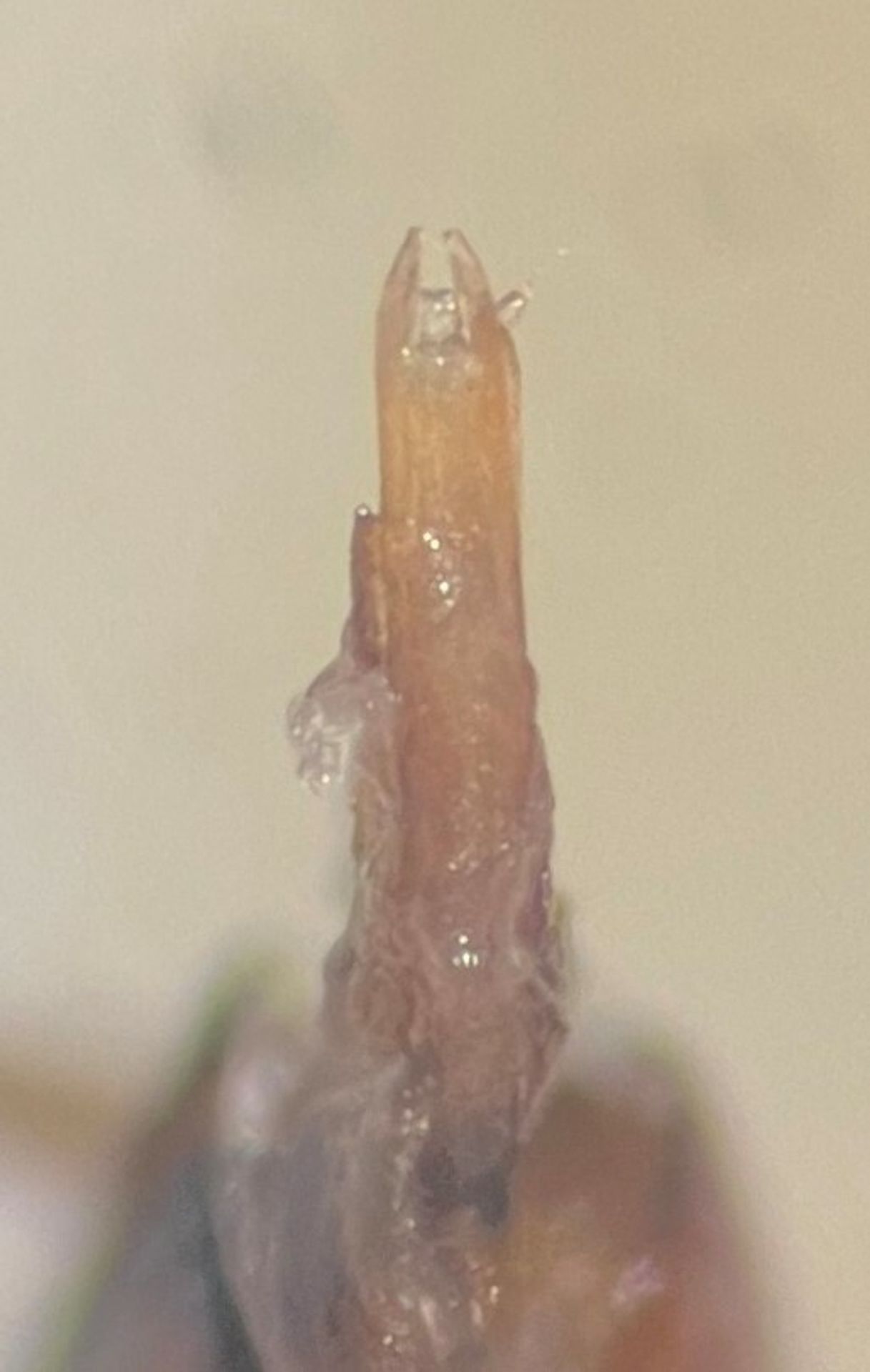
Members of Heterosternuta can be distinguished from other Hydroporinae by characters of the male genitalia and antennal structure. -level identification relies on examination of male aedeagal and, in some species, distinctive antennal modifications. The genus name refers to the heterosternous condition of the thoracic sternites. Specific identification requires dissection and comparison with or authoritative descriptions.
Images
Habitat
have been documented from seepage springs, spring-fed streams, and wadeable stream reaches. In the Ouachita Mountains of Arkansas, three occupy specialized spring with particular environmental parameters. Stream-associated occur in macroinvertebrate from wadeable sites.
Distribution
The is distributed in eastern and central North America. Multiple are to Arkansas, particularly the Ouachita Mountains region. Heterosternuta wickhami has been recorded from six Arkansas counties (Garland, Hot Spring, Montgomery, Polk, Pulaski, Saline) and has been documented in Missouri. H. cocheconis occurs in two Arkansas counties (Garland, Montgomery). H. sulphuria is endemic to Arkansas with documented conservation concern. The genus extends northward with records from the northeastern United States and Canada.
Behavior
are predatory, as characteristic of Dytiscidae. Specific behavioral observations beyond general -level traits are not documented in available sources.
Human Relevance
Several are subjects of conservation research due to narrow and specialization. Heterosternuta sulphuria, H. wickhami, and H. cocheconis have been explicitly evaluated for conservation status in Arkansas. The serves as an indicator for spring and headwater stream health in the Ouachita Mountains.
Similar Taxa
- HydroporiniOther in tribe Hydroporini share the Hydroporinae and require examination of male genitalia and antennal structure for definitive separation from Heterosternuta.
- Other DytiscidaeNon-hydroporine diving beetles typically differ in body form, size, and lack the heterosternous thoracic condition characteristic of this .
More Details
Taxonomic history
The was established by Embrik Strand in 1935. Multiple were described by Wolfe and Matta in 1979, indicating a period of active taxonomic revision in the late 20th century. H. phoebeae was described as recently as 2003 by Wolfe and Harp.
Conservation status
Three Arkansas (H. wickhami, H. cocheconis, and H. flammula) have been explicitly studied for distribution and conservation status. H. sulphuria has been the subject of dedicated conservation assessment. These studies highlight vulnerability of spring-dependent aquatic insects to degradation and water quality changes.
Sources and further reading
- BugGuide
- Wikipedia
- GBIF taxonomy match
- iNaturalist taxon
- NCBI Taxonomy
- Catalogue of Life
- Notes on Habitat and Environmental Parameters Associated With Adult Heterosternuta and First Records for Heterosternuta wickhami (Coleoptera: Dytiscidae) in Missouri
- Distribution, Conservation and Current Status of Three Endemic Heterosternuta (Coleoptera: Dytiscidae: Hydroporinae) in Arkansas
- New Distribution Records of An Endemic Diving Beetle, Heterosternuta sulphuria (Coleoptera: Dytiscidae: Hydroporinae), in Arkansas with Comments on Habitat and Conservation