
Neobidessus pulloides
Young, 1977
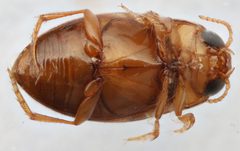
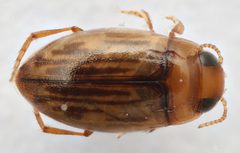
Neobidessus pulloides is a small predaceous diving beetle in the Dytiscidae, described by Young in 1977. It belongs to the tribe Bidessini, a group of minute dytiscids often associated with shallow aquatic . The occurs in North America and extends into the Neotropics. Like other members of its , it is presumed to be an aquatic , though specific ecological details remain poorly documented.
Pronunciation
How to pronounce Neobidessus pulloides: /ˈniː.oʊ.baɪˌdɛs.əs pʊˈlɔɪ.diːz/
These audio files are automatically generated. While they are not always 100% accurate, they are a good starting point.
Identification
Members of Neobidessus are minute dytiscids (typically under 3 mm) with characteristic body proportions of the Bidessini: compact, somewhat parallel-sided bodies and relatively short . Specific distinguishing features of N. pulloides from congeneric require examination of male genitalia and fine details of elytral punctation and coloration. The species name 'pulloides' suggests resemblance to the Bidessus or the species pullus, though the precise basis for this comparison is not documented in available sources.
Images
Distribution
North America and the Neotropics. Specific country records are not detailed in available sources, but the Neobidessus is broadly distributed across the Americas with many in Central and South America.
Similar Taxa
- Neobidessus pullusSimilar name and presumably similar ; N. pulloides was described later and may have been separated based on subtle morphological differences typical of minute dytiscids
- Bidessus speciesHistorical confusion or similarity in body form; the Neobidessus was established to accommodate previously placed in Bidessus or similar small dytiscid genera
More Details
Taxonomic history
Described by Young in 1977, this represents one of many small dytiscids added to the Neobidessus during the taxonomic revisions of the Bidessini in the mid-to-late 20th century. The genus itself was established by Young in 1967 to accommodate New World species related to but distinct from the Old World genus Bidessus.