
Brachyvatus
Zimmermann, 1919
Species Guides
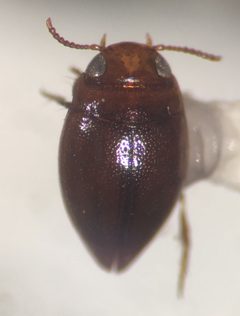
1Brachyvatus is a of diving beetles in the Dytiscidae, first described by Zimmermann in 1919. It belongs to the tribe Bidessini within the Hydroporinae. The genus contains at least four described distributed in South America, with records primarily from Colombia. As with other dytiscids, members are aquatic .
Pronunciation
How to pronounce Brachyvatus: /ˌbrækɪˈvɑːtəs/
These audio files are automatically generated. While they are not always 100% accurate, they are a good starting point.
Images
Distribution
Colombia: Amazonas, Arauca, Atlántico, Bolívar, Chocó, Guaviare, and Sucre departments. Distribution records indicate a presence in northern and central Colombian regions, including both Caribbean coastal (Atlántico, Bolívar, Sucre, Chocó) and Amazonian/Orinoco basin (Amazonas, Arauca, Guaviare) areas.
More Details
Taxonomic placement
Brachyvatus is classified in the tribe Bidessini, a diverse group of small diving beetles within the Hydroporinae. The was established by Zimmermann in 1919.
Species composition
Four are currently recognized: Brachyvatus acuminatus (Steinheil, 1869), Brachyvatus apicatus (Clark, 1862), Brachyvatus bituberculata (Guignot, 1958), and Brachyvatus borrei (Sharp, 1882).
Data limitations
Available sources provide minimal biological or ecological information for this . The single iNaturalist observation and limited literature coverage suggest it is poorly documented in field studies.