
Metaxydytes
Species Guides
1Metaxydytes is a of predaceous diving beetles in the Cybistrinae, to the Neotropics. The genus comprises nine that were reclassified from the genus Megadytes based on phylogenetic and morphological evidence. These are large aquatic beetles adapted to freshwater . The genus was established to accommodate species previously considered part of a broader Megadytes concept.
Pronunciation
How to pronounce Metaxydytes: //mɛˌtæksɪˈdaɪtiːz//
These audio files are automatically generated. While they are not always 100% accurate, they are a good starting point.
Identification
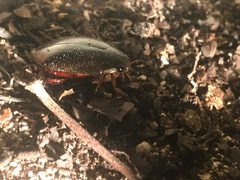
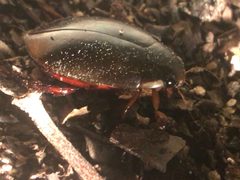
Metaxydytes can be distinguished from Megadytes by subtle morphological differences in genitalia and body proportions that prompted their generic separation. As Cybistrinae, they are large-bodied diving beetles with streamlined, oval shapes adapted for aquatic locomotion. Specific diagnostic characters require examination of male genitalia and detailed morphological analysis.
Images
Habitat
Freshwater aquatic environments in the Neotropics, including lakes, ponds, and slow-moving water bodies.
Distribution
Neotropical region, with documented from Central and South America including Ecuador, Guyana, and Brazil.
Ecological Role
As large predaceous diving beetles, in this likely function as apex in freshwater , though specific ecological studies are limited.
Similar Taxa
- MegadytesFormerly included within Megadytes; separated based on phylogenetic and morphological evidence. Metaxydytes were reclassified from this .
More Details
Taxonomic History
The was established following revisionary work that recognized Megadytes as polyphyletic. All nine were transferred from Megadytes to Metaxydytes.
Species Count
Nine recognized : M. carcharias, M. ecuadorius, M. flohri, M. fraternus, M. guayanensis, M. guignoti, M. laevigatus, M. marginithorax, and M. steinheili.