
Coptotomus longulus
LeConte, 1852
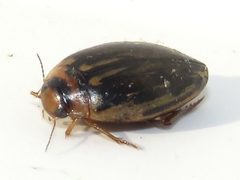
Coptotomus longulus is a predaceous diving beetle in the Dytiscidae, distinguished by its placement in the Coptotominae. The is to North America and comprises two recognized : the nominate C. l. longulus and C. l. lenticus. It belongs to a noted for morphological specializations among dytiscid beetles.
Pronunciation
How to pronounce Coptotomus longulus: //kɒpˈtɒtəməs ˈlɒŋɡjələs//
These audio files are automatically generated. While they are not always 100% accurate, they are a good starting point.
Identification
Members of the Coptotomus are distinguished from other Dytiscidae by modified male pro- and mesotarsi, which bear disc-like adhesive setae used during mating. Within the genus, C. longulus may be separated from by subtle differences in body proportions and male genitalic structure, though specific diagnostic features for this require examination of voucher specimens.
Images
Distribution
North America. Records include the United States, with specific documentation from Vermont and broader presence across the continent.
Similar Taxa
- Other Coptotomus species share the distinctive modified male and overall body plan; accurate identification to level requires examination of male genitalia and subtle morphometric differences.
More Details
Subspecies
Two are recognized: Coptotomus longulus longulus LeConte, 1852 (the nominate form) and Coptotomus longulus lenticus Hilsenhoff, 1980. The latter was described from Wisconsin and distinguished by Hilsenhoff based on morphological differences.