
Coptotominae
Branden, 1885
Genus Guides
1Coptotominae is a small of predaceous diving beetles ( Dytiscidae) containing the single Coptotomus. The genus comprises approximately six described distributed in North America and the Neotropics. These beetles are aquatic inhabiting freshwater environments. The subfamily was established by Branden in 1885 and represents a distinct lineage within the diverse diving fauna.
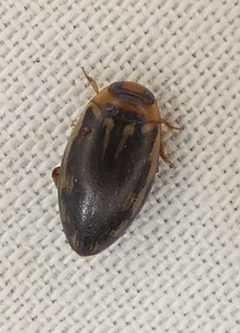
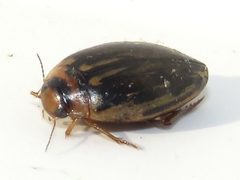
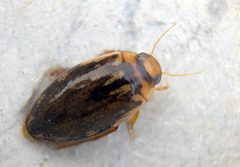
Pronunciation
How to pronounce Coptotominae: /kɒptəˈtoʊmɪniː/
These audio files are automatically generated. While they are not always 100% accurate, they are a good starting point.
Identification
Members of Coptotominae can be distinguished from other Dytiscidae by their placement in the Coptotomus. Identification to subfamily level requires recognition of the genus Coptotomus, which has been defined by morphological characters separating it from other dytiscid genera. The subfamily lacks the derived features characteristic of other Dytiscidae subfamilies such as Cybistrinae or Dytiscinae.
Images
Habitat
Freshwater aquatic environments including ponds, lakes, and slow-moving waters. Specific microhabitat preferences within these systems have not been extensively documented for the as a whole.
Distribution
North America and the Neotropics. The Coptotomus has been recorded from these regions, with distributions varying across this range.
Similar Taxa
- CybistrinaeAnother of large predaceous diving beetles in Dytiscidae; Coptotominae differs in having a single with restricted distribution and distinct morphological features
- DytiscinaeThe largest and most diverse of Dytiscidae; Coptotominae is distinguished by its status and more limited geographic range
More Details
Taxonomic status
Coptotominae is one of several recognized within Dytiscidae, though subfamily-level classification in diving beetles has undergone revision and some schemes may differ in recognition of this rank.