
Zuphiini
Bonelli, 1810
Genus Guides
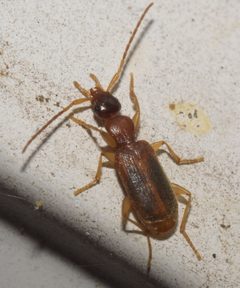
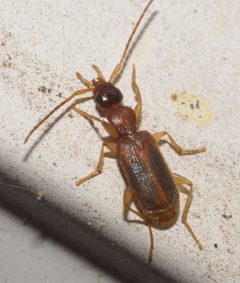
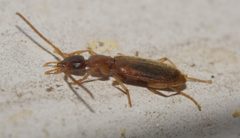
3Zuphiini is a tribe of ground beetles in the Carabidae, established by Bonelli in 1810. The tribe contains at least 23 and more than 120 described with a worldwide distribution. Members of the genus Coarazuphium within this tribe include obligate cave-dwelling (troglobitic) species found in iron ore caves in Brazil's Carajás region, which harbors the highest diversity of obligatory cave-dwelling beetles in the country.
Pronunciation
How to pronounce Zuphiini: //zuːˈfiːɪnaɪ//
These audio files are automatically generated. While they are not always 100% accurate, they are a good starting point.
Images
Habitat
Includes subterranean environments; at least some members ( Coarazuphium) are obligate cave-dwellers in iron ore caves. Broader range for the tribe as a whole is not well documented in available sources.
Distribution
Worldwide distribution. The Coarazuphium is documented from the Carajás region of Brazil, where exhibit small geographic ranges and cave .
Behavior
Some members (Coarazuphium ) exhibit co-occurrence in the same caves through putative differentiation. Troglobitic species show morphological adaptations including reduced body size, shorter legs, and shorter .
Ecological Role
The Carajás region of Brazil contains the highest documented diversity of obligatory cave-dwelling beetles in the country, primarily represented by Coarazuphium within Zuphiini. These beetles serve as indicators of subterranean biodiversity hotspots.
More Details
Taxonomic composition
The tribe contains 23 according to recent sources, though iNaturalist reports at least 3 genera with more than 120 described . This discrepancy may reflect ongoing taxonomic revisions.
Cave adaptation research
Research on Coarazuphium in Brazilian iron ore caves has explored how environmental attributes of caves drive ground- , documenting morphological differentiation among sympatric species.
Sources and further reading
- BugGuide
- Wikipedia
- iNaturalist taxon
- NCBI Taxonomy
- Catalogue of Life
- Figure 1 from: Pellegrini TG, Ferreira RL, Zampaulo RdeA, Vieira L (2022) Three new troglobitic Coarazuphium (Coleoptera, Carabidae, Zuphiini) species from a Brazilian hotspot of cave beetles: exploring how the environmental attributes of caves drive ground-beetle niches. Subterranean Biology 43: 97-126. https://doi.org/10.3897/subtbiol.43.73185
- Figures 8-11 from: Pellegrini TG, Ferreira RL, Zampaulo RdeA, Vieira L (2022) Three new troglobitic Coarazuphium (Coleoptera, Carabidae, Zuphiini) species from a Brazilian hotspot of cave beetles: exploring how the environmental attributes of caves drive ground-beetle niches. Subterranean Biology 43: 97-126. https://doi.org/10.3897/subtbiol.43.73185
- Figures 29-32 from: Pellegrini TG, Ferreira RL, Zampaulo RdeA, Vieira L (2022) Three new troglobitic Coarazuphium (Coleoptera, Carabidae, Zuphiini) species from a Brazilian hotspot of cave beetles: exploring how the environmental attributes of caves drive ground-beetle niches. Subterranean Biology 43: 97-126. https://doi.org/10.3897/subtbiol.43.73185
- Figures 18-22 from: Pellegrini TG, Ferreira RL, Zampaulo RdeA, Vieira L (2022) Three new troglobitic Coarazuphium (Coleoptera, Carabidae, Zuphiini) species from a Brazilian hotspot of cave beetles: exploring how the environmental attributes of caves drive ground-beetle niches. Subterranean Biology 43: 97-126. https://doi.org/10.3897/subtbiol.43.73185
- Figures 12-17 from: Pellegrini TG, Ferreira RL, Zampaulo RdeA, Vieira L (2022) Three new troglobitic Coarazuphium (Coleoptera, Carabidae, Zuphiini) species from a Brazilian hotspot of cave beetles: exploring how the environmental attributes of caves drive ground-beetle niches. Subterranean Biology 43: 97-126. https://doi.org/10.3897/subtbiol.43.73185