
Anisodactylus consobrinus
LeConte, 1851
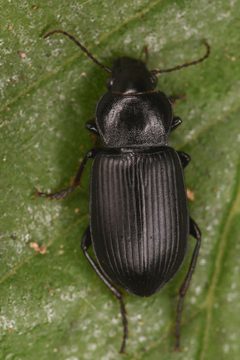
Anisodactylus consobrinus is a ground beetle in the Carabidae, described by John Lawrence LeConte in 1851. The species belongs to the Anisodactylus, a group of medium-sized carabid beetles commonly found in open . It occurs in North America with records from the United States and Mexico.
Pronunciation
How to pronounce Anisodactylus consobrinus: /ˌænɪsoʊˈdæktɪləs kənˈsɒbrɪnəs/
These audio files are automatically generated. While they are not always 100% accurate, they are a good starting point.
Identification
Identification to level requires examination of male genitalia and detailed comparison with . The species can be distinguished from other Anisodactylus species by subtle differences in elytral microsculpture and aedeagal , though these characters require knowledge and reference to original description.
Images
Habitat
Specific preferences not documented in available sources. Members of Anisodactylus typically occur in open, disturbed habitats including agricultural fields, grasslands, and riparian areas.
Distribution
Recorded from the United States and Mexico. GBIF distribution records indicate presence in North America, with specific occurrences in both countries.
Seasonality
Activity patterns not documented in available sources.
Life Cycle
details not documented in available sources. As with most temperate ground beetles, likely has one or more per year with or larvae.
Behavior
Behavioral observations not documented in available sources. As a ground beetle, likely or active on soil surface.
Ecological Role
Specific ecological role not documented. As a carabid , likely functions as a of small in soil and ground layer .
Human Relevance
Specific human relevance not documented. Some Anisodactylus are known agricultural pests of crops, but no such association has been recorded for A. consobrinus.
Similar Taxa
- Anisodactylus agricolaSimilar size and preferences; requires examination of genitalia for definitive separation
- Anisodactylus rusticusOverlapping distribution and general ; distinguished by subtle differences in elytral punctation
- Anisodactylus sanctaecrucis with similar body form; identification relies on male genitalia characteristics
More Details
Taxonomic History
Described by John Lawrence LeConte in 1851, one of the most prolific American coleopterists of the 19th century. The specific epithet 'consobrinus' (Latin for 'cousin') likely refers to its close relationship to other in the .
Collection Records
iNaturalist records show 30 observations, indicating the is encountered with moderate frequency by naturalists, though it remains poorly documented in published literature.