
Anisodactylina
Genus Guides
6Anisodactylina is a subtribe within the ground beetle tribe Harpalini ( Carabidae). Members are small to medium-sized carabid beetles characterized by their stout body form and distinct tarsal structure. The subtribe is primarily distributed across the Holarctic region, with occupying various terrestrial including open ground and agricultural areas. Anisodactylina species are generally ground-dwelling or omnivores, though specific ecological details vary among constituent .
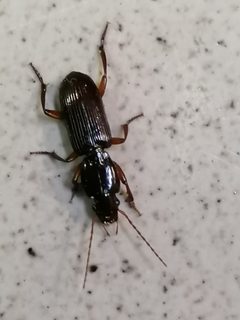
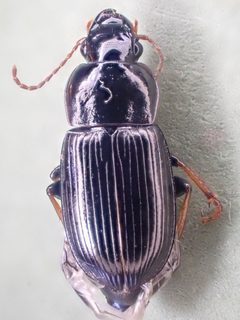
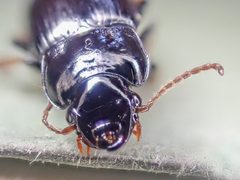
Pronunciation
How to pronounce Anisodactylina: //ˌænɪsoʊdækˈtɪlaɪnə//
These audio files are automatically generated. While they are not always 100% accurate, they are a good starting point.
Identification
Members of Anisodactylina can be distinguished from other Harpalini subtribes by tarsal characters: the first three tarsomeres of the hind bear distinct longitudinal on their surface, and the tarsomere is not deeply . The subtribe is further characterized by a generally robust, somewhat flattened body form and relatively short that may expose one or two abdominal tergites. are and inserted between the and mandibular bases. These traits separate Anisodactylina from subtribes such as Ditomina (which lack tarsal sulci) and Harpalina (which have different tarsal proportions).
Images
Habitat
within Anisodactylina occupy diverse terrestrial environments including open sandy or clay soils, agricultural fields, grasslands, and riparian margins. They are predominantly ground-dwelling, often found under stones, debris, or within soil cracks. Some species show affinity for disturbed or cultivated .
Distribution
Holarctic distribution, with primary diversity in the Palearctic region (Europe, Asia, North Africa) and Nearctic region (North America). The subtribe extends from northern temperate zones through Mediterranean climates, with some reaching into subtropical areas.
Behavior
are or , seeking shelter under cover during daylight hours. They are fast-moving, beetles adapted for running on open ground. When disturbed, they may exhibit (death feigning) or rapid escape .
Ecological Role
As ground-dwelling beetles, members of Anisodactylina contribute to soil as of small and as prey for larger arthropods, birds, and small mammals. Some in agricultural may provide biocontrol services against crop pests, though specific quantitative impacts are poorly documented.
Human Relevance
Certain , particularly in the Anisodactylus, are common in agricultural settings and may contribute to natural pest suppression. They are occasionally collected by entomologists for biodiversity surveys and ecological monitoring. No species are known to be economically significant pests or beneficial species in a managed sense.
Similar Taxa
- DitominaDitomina is another subtribe of Harpalini that lacks the distinctive longitudinal on the hind tarsomeres that characterize Anisodactylina; members also tend to have more elongate body forms.
- HarpalinaHarpalina generally have proportionally longer and lack the emargination pattern of the tarsomere seen in Anisodactylina; they also tend to show greater size variation.