
Pogonognathellus
Paclt, 1944
Species Guides
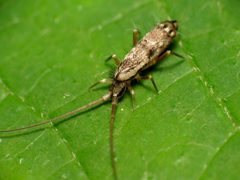
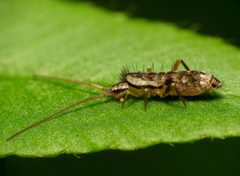
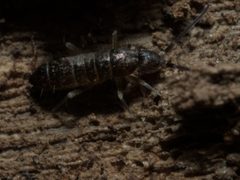
5Pogonognathellus is a of springtails (Collembola) in the Tomoceridae, first described by Paclt in 1944. The genus contains at least two described : P. flavescens and P. longicornis. It is part of the diverse Entomobryomorpha order, one of the most species-rich lineages of springtails. Members of this genus are found across multiple biogeographic regions including Europe, the Mediterranean, and Arctic zones.
Pronunciation
How to pronounce Pogonognathellus: //ˌpoʊɡoʊˌnɔɡnəˈθɛləs//
These audio files are automatically generated. While they are not always 100% accurate, they are a good starting point.
Identification
Distinguished from other Tomoceridae by features of the chaetotaxy and structure of the mucro. Specific diagnostic characters include the arrangement of setae on the head and the of the , though precise identification to level often requires examination of these microscopic features.
Images
Distribution
Recorded from Arctic and Sub-arctic regions, Caribbean mainland, Europe, Macaronesian islands, and the Mediterranean basin.
Ecological Role
As with other Tomoceridae, members of this contribute to soil decomposition processes through feeding on decaying organic matter and fungal .
Similar Taxa
- TomocerusBoth belong to Tomoceridae and share elongated body forms and well-developed ; Pogonognathellus differs in chaetotaxy patterns and mucro structure.
- LepidocyrtusBoth are in Entomobryomorpha and may co-occur in similar ; Pogonognathellus lacks the distinctive scaled and has different antennal proportions.
More Details
Taxonomic history
The was established by Paclt in 1944, with subsequently transferred from related genera based on detailed morphological studies of chaetotaxy and mouthpart structures.