
Willowsiinae
Yoshii R & Suhardjono YR, 1989
Genus Guides
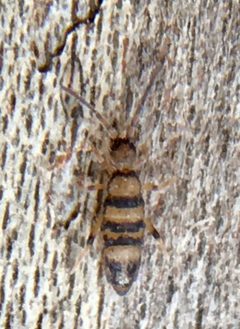
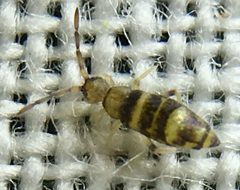
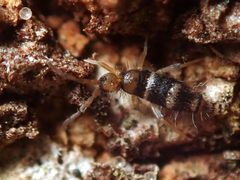
2Willowsiinae is a of springtails (Collembola) in the Entomobryidae, established by Yoshii and Suhardjono in 1989. These elongate-bodied springtails are distinguished by specific chaetotaxy patterns and antennal segment proportions. The subfamily includes several found across diverse , though detailed biological studies remain limited for many constituent .
Pronunciation
How to pronounce Willowsiinae: //ˌwɪloʊˈsiːɪniː//
These audio files are automatically generated. While they are not always 100% accurate, they are a good starting point.
Identification
Willowsiinae are characterized by the presence of a distinct dental spine on the mucro and specific arrangements of setae on the body. The can be distinguished from other Entomobryidae subfamilies by antennal segment ratios and the structure of the . Members typically exhibit the elongate body form common to Entomobryomorpha, with well-developed furcula for jumping.
Images
Distribution
Members of Willowsiinae have been recorded from multiple continents including Asia, Europe, and North America, with particular diversity in tropical and subtropical regions.
Similar Taxa
- EntomobryinaeLacks the characteristic dental spine on the mucro that defines Willowsiinae; antennal segment proportions differ.
- OrchesellinaeGenerally larger body size with different body setation patterns; mucro structure lacks the Willowsiinae-type dental spine.
More Details
Taxonomic history
The was erected by Japanese collembologist Kazuo Yoshii and Indonesian researcher Y.R. Suhardjono in 1989, primarily based on chaetotaxy and mucro . The type is Willowsia.