
Pseudosinella sexoculata
Schött, 1902
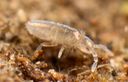
Pseudosinella sexoculata is a of elongate in the Entomobryidae, described by Schött in 1902. Members of this are characterized by their slender, scaled bodies and are typically found in soil and leaf litter . The specific epithet "sexoculata" refers to the presence of six (ocelli), a diagnostic feature distinguishing it from related species. Like other entomobryomorph springtails, it possesses a for jumping and lacks a on the first abdominal segment.
Pronunciation
How to pronounce Pseudosinella sexoculata: /sjuːdoʊˌsaɪˈnɛlə sɛksˌɑkjʊˈleɪtə/
These audio files are automatically generated. While they are not always 100% accurate, they are a good starting point.
Identification
Distinguished from other Pseudosinella primarily by the arrangement and number of ocelli (six, versus fewer in related species). The combination of an elongate body form, scaled , long , and six ocelli separates it from poduromorph springtails, which typically have shorter antennae and a more compact body. Within Entomobryidae, Pseudosinella species are recognized by the absence of a on the first abdominal segment and the structure of the mucro.
Images
Habitat
Soil and leaf litter environments; specific microhabitat preferences for this are not documented
Distribution
Recorded from Antarctic and Subantarctic regions, Caribbean mainland, Central Australia, Europe, and Macaronesian islands based on GBIF distribution records. The broad, disjunct distribution pattern suggests either capability or potential cryptic requiring further study.
Ecological Role
As a member of the soil mesofauna, contributes to decomposition processes and nutrient cycling in soil and litter systems. Specific ecological functions for this are not documented.
Similar Taxa
- Pseudosinella albaSimilar elongate body form and scaling; distinguished by ocellar number and arrangement
- Lepidocyrtus speciesSame (Lepidocyrtinae) and similar overall appearance; distinguished by presence of a on the first abdominal segment in Lepidocyrtus, absent in Pseudosinella
- Entomobrya speciesSame but different ; typically have different ocellar patterns and body proportions
- Poduromorpha springtailsDifferent order-level grouping; distinguished by shorter , more compact body, and often different preferences
More Details
Taxonomic Note
The classification of Pseudosinella sexoculata has been subject to some variation in placement. While GBIF and most sources place it in Entomobryidae, the Catalogue of Life lists Paronellidae as the family, reflecting historical taxonomic treatments. The Lepidocyrtinae placement is consistent across sources.
Nomenclatural Reference
The specific epithet "sexoculata" is derived from Latin "sex" (six) and "oculatus" (eyed), directly referencing the diagnostic ocular character.
Observation Rarity
Only a single iNaturalist observation is recorded for this , suggesting it is either genuinely rare, under-collected, or difficult to identify to species level in the field.