
Pseudosinella
Schäffer, 1897
slender springtails
Species Guides
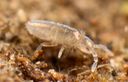
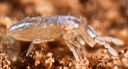
6Pseudosinella is a of slender-bodied springtails in the Entomobryidae, established by Schäffer in 1897. The genus contains more than 20 described distributed across diverse including tropical rainforests, temperate woodlands, and even Antarctic and subantarctic regions. Members of this genus are characterized by their elongated, cylindrical body form and reduced or absent pigmentation. They are part of the diverse soil and leaf litter fauna, contributing to decomposition processes.
Pronunciation
How to pronounce Pseudosinella: //sjuːdoʊˌsɪˈnɛlə//
These audio files are automatically generated. While they are not always 100% accurate, they are a good starting point.
Identification
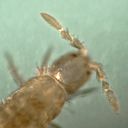
Pseudosinella are distinguished from other entomobryid springtails by their slender, elongate body shape and generally pale or unpigmented coloration. They possess the -typical long and well-developed (springing organ) characteristic of Entomobryomorpha. Differentiation from the closely related Sinella requires examination of chaetotaxy (bristle arrangement) and dental structure of the , features not reliably visible without microscopic examination.
Images
Habitat
Found in soil, leaf litter, and decaying wood in forested environments. Records indicate presence in tropical rainforest (Amazon basin), temperate woodland, and extreme cold environments including Antarctic and subantarctic regions.
Distribution
Widely distributed across multiple biogeographic regions: African Indian Desert, Amazon basin, Andean region, Antarctic & Subantarctic, and Antillean & South Florida.
Ecological Role
Contributes to soil and litter decomposition as part of the microarthropod . Forms component of the in forest .
Similar Taxa
- SinellaClosely related in same tribe Lepidocyrtini; distinguished by differences in maxillary and chaetotaxy patterns, requiring slide-mounted specimens for reliable separation.
- LepidocyrtusSame Lepidocyrtinae; shares scaled body and similar preferences, but typically shows more pronounced color patterns and different antennal segment proportions.