Cirolana
Leach, 1818
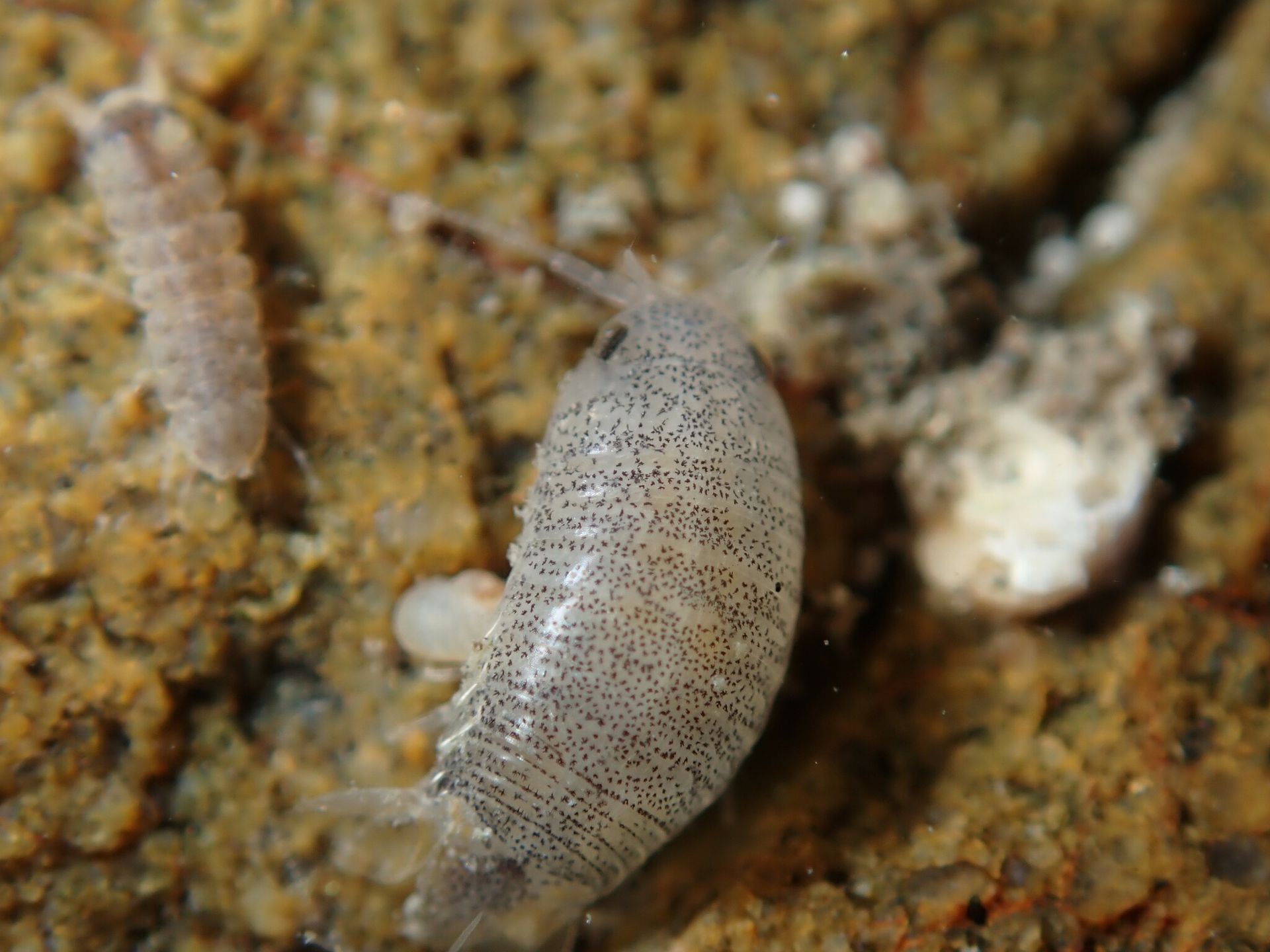
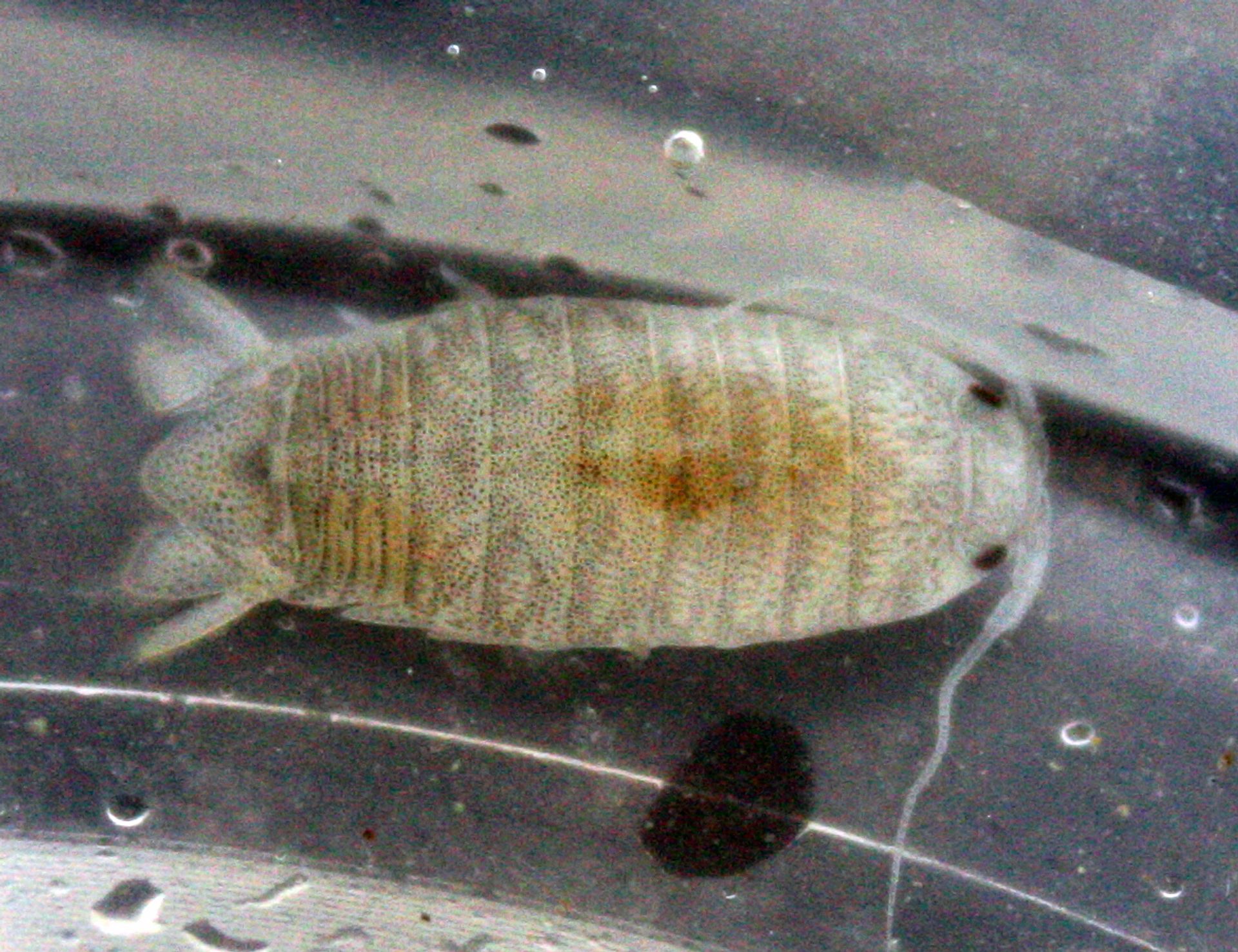
Cirolana is a of marine isopod crustaceans in the Cirolanidae, established by William Elford Leach in 1818. The genus name derives from an anagram of 'Carolina,' originally the French 'Cirolane' for an unknown woman named Caroline. occupy diverse marine including intertidal zones, shallow coastal waters, and anchialine caves. The genus exhibits considerable diversity, with species groups such as the 'parva-group' recognized in Indo-Malayan and Australasian waters.
Pronunciation
How to pronounce Cirolana: /sɪˈroʊlənə/
These audio files are automatically generated. While they are not always 100% accurate, they are a good starting point.
Images
Habitat
Marine environments including intertidal zones with loose boulders on sandy beaches, shallow in-shore waters, and anchialine cave systems. Some are associated with specific substrates such as rocky intertidal areas where they shelter under boulders.
Distribution
Global distribution in marine waters. Documented from Indo-Malayan region (Indonesia, Singapore), Australasia (New Zealand, Australia), eastern Pacific (California region), Bahamas, and Suez Governorate, Egypt. GBIF records indicate presence in World Oceans.
Behavior
At least one , Cirolana harfordi, exhibits gregarious aggregative driven by attraction and negative . This species has been observed to congregate under shelters, with formation influenced by both social and environmental factors. Some species swim out from under rocks at high tide to forage.
Human Relevance
Some have been named for notable figures, including C. mercuryi for musician Freddie Mercury and C. brucei for isopod taxonomist Niel L. Bruce. Cirolana borealis has been used in studies of radionuclide biokinetics. C. capricornica has been recorded from fish (Epinephelus chlorostigma), suggesting potential ecological or fisheries relevance.
More Details
Etymology
The generic name Cirolana is an anagram of Carolina, named for an unknown woman called Caroline. Leach originally proposed the French name 'Cirolane' as the anagram, which was later Latinized.
Taxonomic diversity
The includes recognized groups such as the 'parva-group,' which contains at least ten species in the Indo-Malaya region. The genus formerly included C. troglexuma, which was moved to a new genus in 2017 due to its specialized cave-dwelling .
Sources and further reading
- BugGuide
- Wikipedia
- GBIF taxonomy match
- iNaturalist taxon
- NCBI Taxonomy
- Catalogue of Life
- Gregarious aggregative behavior in the marine isopodCirolana harfordi
- Biology and population dynamics of the intertidal isopod Cirolana harfordi
- Biology and population dynamics of the intertidal isopod Cirolana harfordi
- New Species of the Cirolana "parva-group" (Crustacea: Isopoda: Cirolanidae) from Coastal Habitats Around New Zealand
- Figure 13 from: Bruce NL, Brix S, Balfour N, Kihara TC, Weigand AM, Mehterian S, Iliffe TM (2017) A new genus for Cirolana troglexuma Botosaneanu & Iliffe, 1997, an anchialine cave dwelling cirolanid isopod (Crustacea, Isopoda, Cirolanidae) from the Bahamas. Subterranean Biology 21: 57-92. https://doi.org/10.3897/subtbiol.21.11181
- Review of the species of the Cirolana ‘parva-group’ (Cirolanidae: Isopoda: Crustacea) in Indonesian and Singaporean waters
- Ovoviviparous reproduction in Australian specimens of the intertidal isopod Cirolana harfordi
- Biokinetics of plutonium, americium and californium in the marine isopod Cirolana borealis, with observations on its feeding and molting behavior
- New occurrence of Cirolana capricornica (Isopoda: Cirolanidae) from Epinepheluschlorostigma in Suez Governorate, Egypt.