
Garypus
L. Koch, 1873
Species Guides
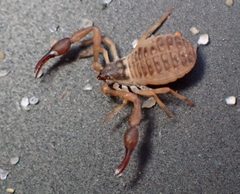
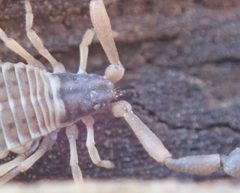
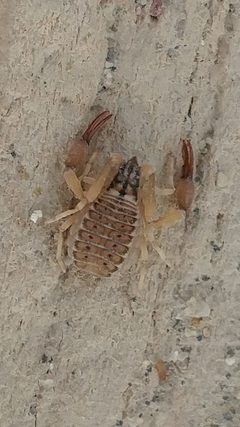
1Garypus is a of pseudoscorpions in the Garypidae, comprising at least 20 described . These arachnids are primarily restricted to seashore , occupying supralittoral and in tropical and subtropical regions. The genus was established by Ludwig Carl Christian Koch in 1873 and shows highest diversity in the Indo-West Pacific region. Species-level remains incompletely resolved, with many species known from single localities.
Pronunciation
How to pronounce Garypus: /ˈɡærɪpəs/
These audio files are automatically generated. While they are not always 100% accurate, they are a good starting point.
Images
Habitat
Supralittoral and of seashores, primarily in tropical and subtropical areas. The supralittoral zone lies above the high tide line, subject to salt spray and occasional wave splash but not regular inundation.
Distribution
Tropical and subtropical regions globally, with documented in the Indo-West Pacific (including Australia, Indonesia, Cocos-Keeling Island, India, Sri Lanka, Seychelles, Maldives, Nicobar Islands, Marshall Islands), Taiwan, and the Caribbean (Bonaire).
Life Cycle
Development includes tritonymph stage (the final instar before adulthood). Molting nests have been documented in the related Anchigarypus, suggesting similar sheltered molting may occur in Garypus.
Behavior
between coastal localities has been observed to be presumably facilitated by ocean currents, given their restriction to shoreline .
Similar Taxa
- AnchigarypusFormerly included within Garypus; distinguished by morphological differences and COI sequence divergence of 7–19% between of the two . Anchigarypus was erected in 2020 to accommodate species including the former Garypus californicus.
- SynsphyronusBoth belong to Garypidae, but Synsphyronus is placed in Synsphyroninae rather than Garypinae, based on revised subfamily classification.
Sources and further reading
- BugGuide
- Wikipedia
- GBIF taxonomy match
- iNaturalist taxon
- NCBI Taxonomy
- Catalogue of Life
- The pseudoscorpion family Garypidae (Pseudoscorpiones) of Taiwan: a new species in the newly recorded genus Anchigarypus and the first females of Garypus wilsoni and Garypus sanasai
- Supralittoral pseudoscorpions of the genus Garypus (Pseudoscorpiones : Garypidae) from the Indo-West Pacific region, with a review of the subfamily classification of Garypidae