
Tolus
Goodnight & Goodnight, 1942
Species Guides
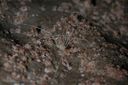
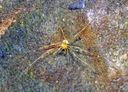
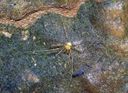
1- Tolus appalachius(Appalachian Cave Harvestman)
Tolus is a of harvestmen in the Phalangodidae, described by Goodnight & Goodnight in 1942. The sole described , Tolus appalachius, is known only from two caves in Tennessee, United States. This genus represents a rare example of cave-adapted opilionid fauna in the Appalachian region.
Pronunciation
How to pronounce Tolus: /ˈtoʊ.ləs/
These audio files are automatically generated. While they are not always 100% accurate, they are a good starting point.
Identification
Distinguished from other Phalangodidae by its minute body size (2.7 mm) and restricted cave-dwelling in Tennessee. Identification to level requires examination of from the original 1942 description, as no subsequent redescriptions are documented. Separation from other small-bodied Laniatores in the region relies on geographic restriction and cave-specific collection records.
Images
Habitat
Strictly cave-dwelling; known only from subterranean environments in Tennessee. Specific microhabitat conditions within caves (humidity, substrate type, darkness levels) are not documented.
Distribution
to Tennessee, United States. Documented from exactly two cave localities in the Appalachian region. No additional records have been published since the original 1942 description.
Ecological Role
or scavenger within cave ; specific ecological functions undocumented due to extremely limited study. Likely contributes to nutrient cycling in subterranean .
Human Relevance
No documented direct interactions with humans. Represents a component of poorly studied cave biodiversity with potential significance for conservation of subterranean .
Similar Taxa
- Other Phalangodidae generaShare -level characteristics including small body size and Laniatores ; distinguished by geographic distribution and specificity
- Troglobitic Opiliones in AppalachiaConvergent cave-dwelling lifestyle; Tolus distinguished by taxonomic placement in Phalangodidae and specific Tennessee distribution
More Details
Taxonomic status
The remains with no additional described since 1942. The original description was based on limited material from two caves, suggesting potential for undiscovered cryptic diversity or broader distribution if additional surveys were conducted.
Conservation implications
Extreme geographic restriction to two known cave localities places this at inherent risk from localized disturbance, though no formal conservation assessment has been published.