
Zosis
Walckenaer, 1833
Species Guides
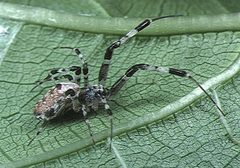
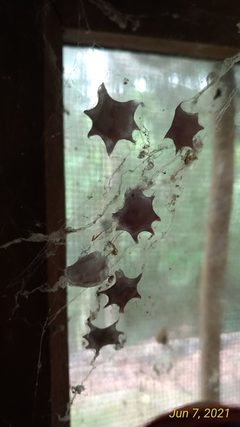
1- Zosis geniculata(Ninja-star Ceiling Spider)
Zosis is a of hackled orb-weaving spiders in the Uloboridae. The genus is primarily Neotropical in distribution, with Zosis geniculata achieving a distribution through human-mediated introduction. Members of this genus construct webs using cribellate silk, a characteristic feature of the family.
Pronunciation
How to pronounce Zosis: /ˈzoʊsɪs/
These audio files are automatically generated. While they are not always 100% accurate, they are a good starting point.
Identification
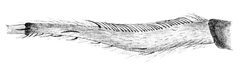
Zosis can be distinguished from other uloborid by genitalic characteristics, though specific diagnostic features require examination of preserved specimens. Zosis geniculata is recognizable by its distinctive geniculate (knee-jointed) first pair of legs and overall dark coloration with pale markings.
Images
Distribution
Primarily South American; Zosis geniculata introduced worldwide including Europe, Asia, Africa, and the Americas. GBIF records document occurrence in Denmark.
Behavior
Constructs orb webs using cribellate silk; lacks venom glands and subdues prey through extensive wrapping rather than envenomation.
Ecological Role
; contributes to control in web-building microhabitats.
Human Relevance
Zosis geniculata has been introduced globally through human commerce, making it one of the most widespread uloborid spiders.
Similar Taxa
- UloborusAlso in Uloboridae; distinguished by different genitalic and leg proportions
- PhiloponellaCribellate orb-weaver in same ; differs in web architecture and genitalic structure