
Misumessus tamiami
Edwards, 2017
Misumessus tamiami is a of crab spider in the Thomisidae, described by Edwards in 2017. It belongs to a of spiders known for their ambush strategy and crab-like leg positioning. The species name references the Tamiami Trail region of southern Florida, indicating its geographic association with this area.
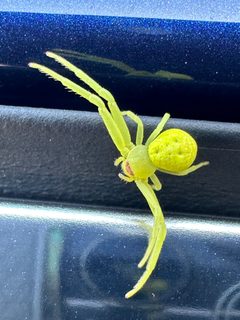
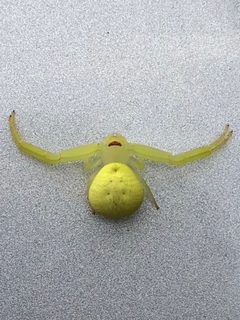
Pronunciation
How to pronounce Misumessus tamiami: //ˌmɪsuˈmɛsəs ˌtæmiˈæmi//
These audio files are automatically generated. While they are not always 100% accurate, they are a good starting point.
Identification
Distinguished from other Misumessus by its geographic restriction to southern Florida and the specific morphological characteristics documented in the original description. As a recently described species (2017), precise diagnostic features require reference to Edwards' original taxonomic work. The Misumessus is characterized by a somewhat flattened body and laterally extended legs that enable sideways movement.
Images
Habitat
Associated with the Tamiami Trail region of southern Florida, which traverses diverse subtropical including cypress swamps, mangrove , and coastal hammocks. The likely occupies vegetation in these wetland and coastal environments where crab spiders typically ambush prey.
Distribution
Southern Florida, USA, specifically the region associated with the Tamiami Trail (U.S. Route 41 between Tampa and Miami). Distribution records are limited to this subtropical coastal and wetland region of peninsular Florida.
Behavior
As with other thomisid spiders, likely employs sit-and-wait ambush on vegetation, using crab-like leg positioning to seize prey.
Ecological Role
in subtropical wetland and coastal hammock ; contributes to through ambush on vegetation.
Similar Taxa
- Misumessus oblongusWidespread North American in the same ; M. tamiami is geographically restricted to southern Florida and differs in specific morphological features described by Edwards (2017).
- Other Thomisidae generaMisumessus can be distinguished from other crab spider by genitalic and body proportions; however, field identification to species level typically requires examination of diagnostic characters not visible without magnification.