Wamba
O. Pickard-Cambridge, 1896
Species Guides
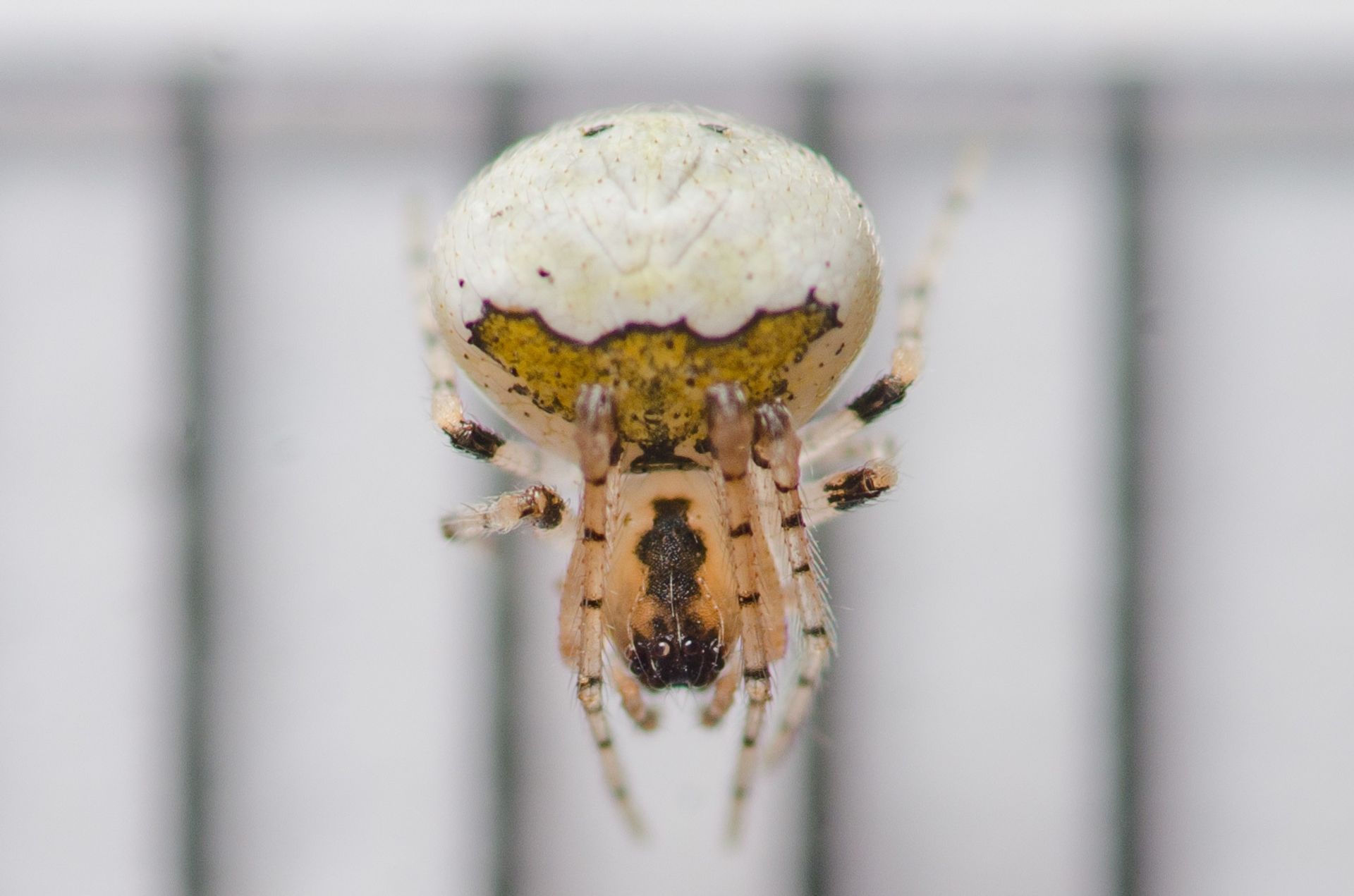
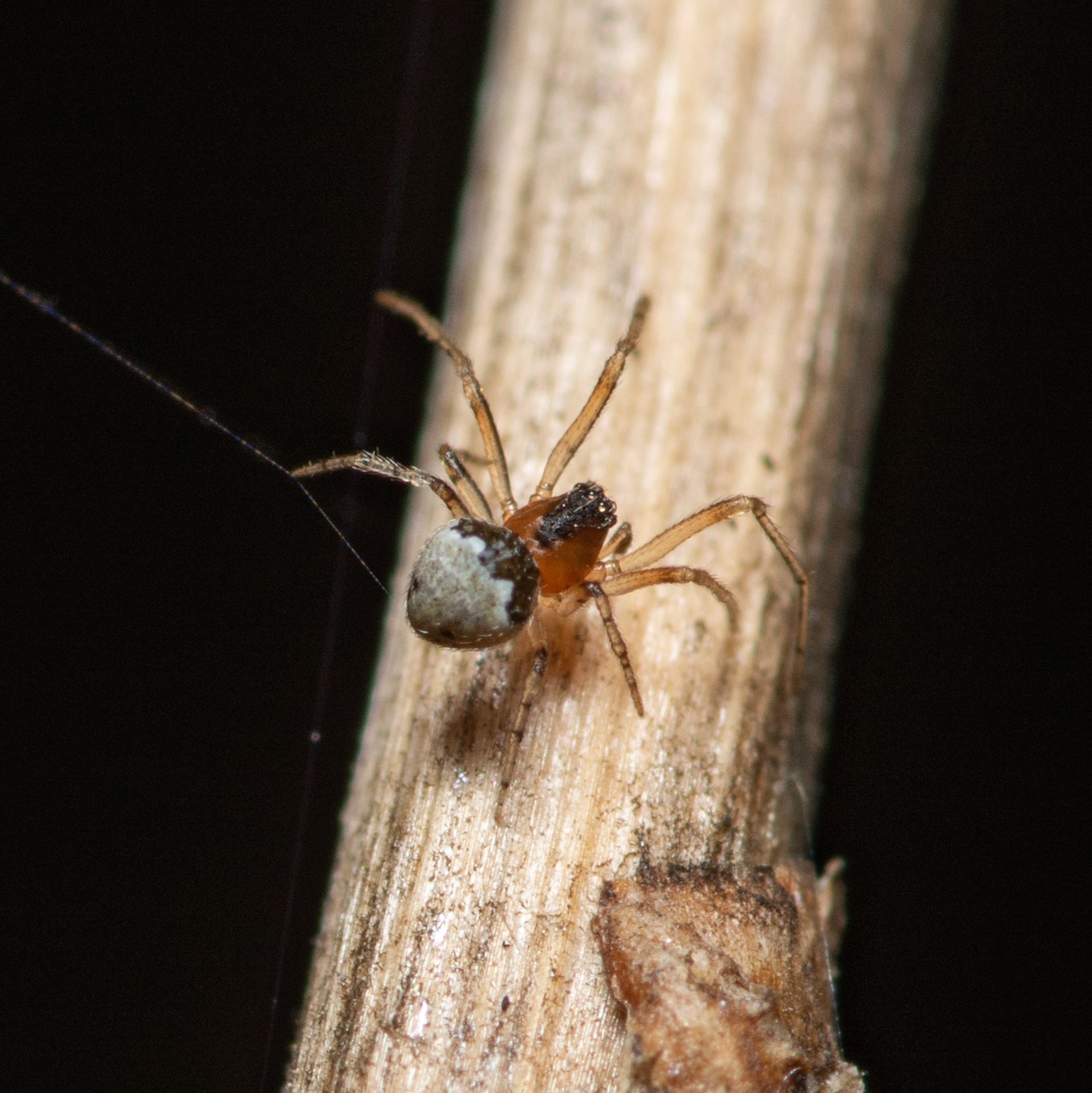
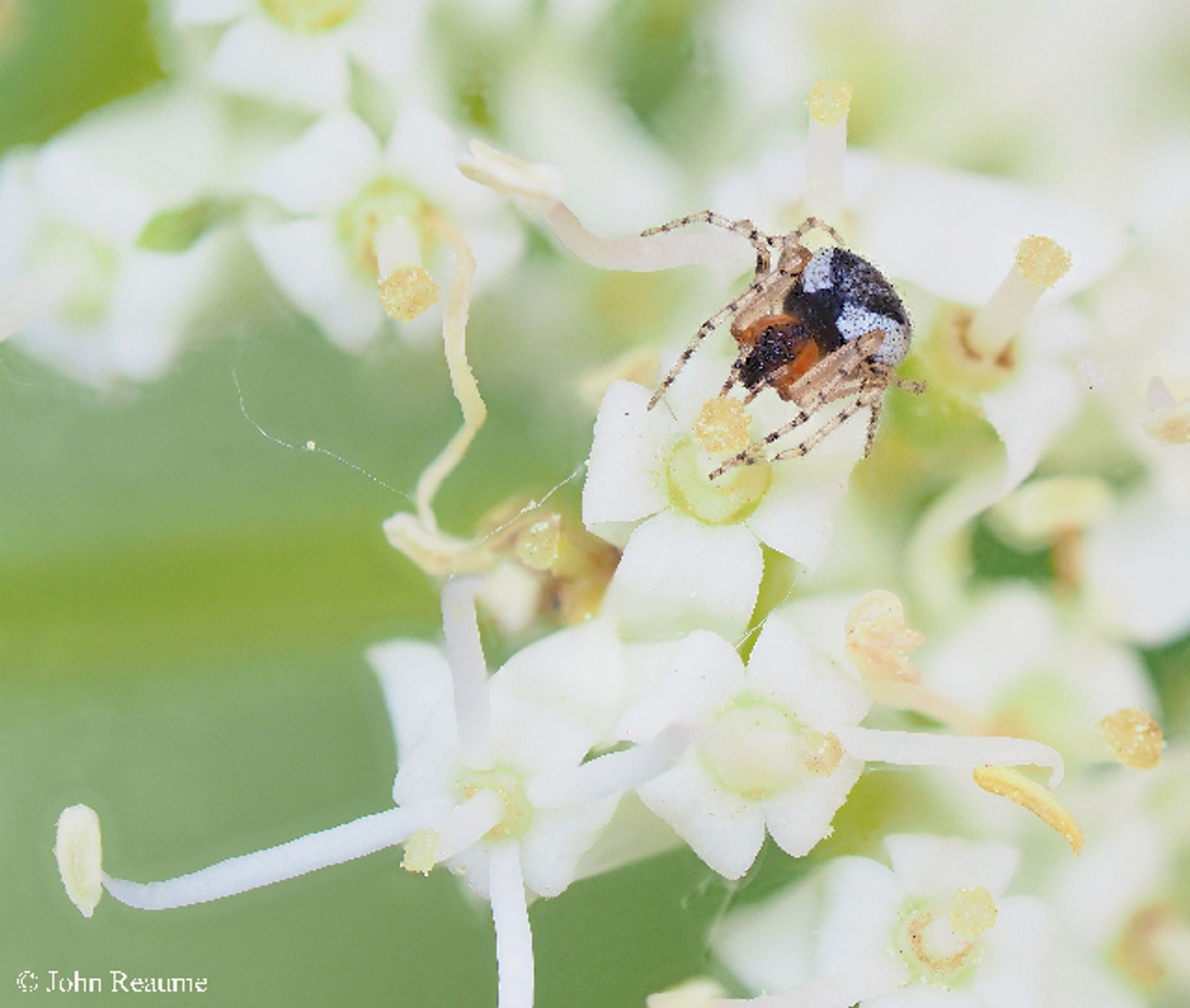
1Wamba is a of spiders in the Theridiidae, first described by O. Pickard-Cambridge in 1896. These cobweb spiders belong to the diverse tangle-web spider family, which includes many that construct irregular, three-dimensional webs. The genus is part of the large araneoid spider radiation and shares the general characteristics of theridiids, including a rounded and comb-like setae on the hind used for silk handling. As a genus-level , Wamba encompasses multiple species with variable morphologies and ecological preferences.
Pronunciation
How to pronounce Wamba: /ˈwɑːmbə/
These audio files are automatically generated. While they are not always 100% accurate, they are a good starting point.
Identification
Members of Wamba can be distinguished from other theridiid by genitalic characters, particularly the structure of the male and female . As with many theridiid spiders, definitive identification typically requires microscopic examination of these reproductive structures. The genus lacks the highly modified body forms seen in some specialized theridiids such as Latrodectus (widow spiders) or the kleptoparasitic Argyrodes.
Images
Distribution
within the Wamba have been recorded across multiple continents, with observations from the Americas, Africa, and Asia. The genus shows a broad tropical and subtropical distribution pattern typical of many theridiid spiders.
Behavior
As theridiid spiders, members of Wamba construct irregular, tangled cobwebs for prey capture. These webs lack the organized spiral architecture of orb-weavers and instead function as three-dimensional snares that entangle flying and crawling insects.
Ecological Role
Wamba spiders function as of small arthropods within their local . Their cobwebs contribute to insect in the they occupy. Like other small theridiids, they may serve as prey for larger spiders, birds, and other vertebrate predators.
Human Relevance
No significant direct interactions with humans are documented for this . Wamba spiders are not known to be medically important, economically significant, or commonly encountered in domestic environments.
Similar Taxa
- TheridionA large and morphologically variable theridiid with which Wamba shares general body plan and web architecture; distinguished by subtle differences in genitalic and often less pronounced abdominal patterning
- ParasteatodaAnother theridiid with similar cobweb-building ; Parasteatoda often show more globular and distinct color patterns that can aid separation from Wamba
More Details
Taxonomic History
The Wamba was established by Octavius Pickard-Cambridge in 1896. It has remained a valid but relatively understudied genus within the large Theridiidae, with descriptions and revisions scattered across regional faunistic works.
Species Diversity
The contains multiple described , though comprehensive taxonomic revision has been limited. Species-level identification requires examination of and original descriptions.