Nesticodes
Archer, 1950
red house spider
Species Guides
1- Nesticodes rufipes(Red House Spider)
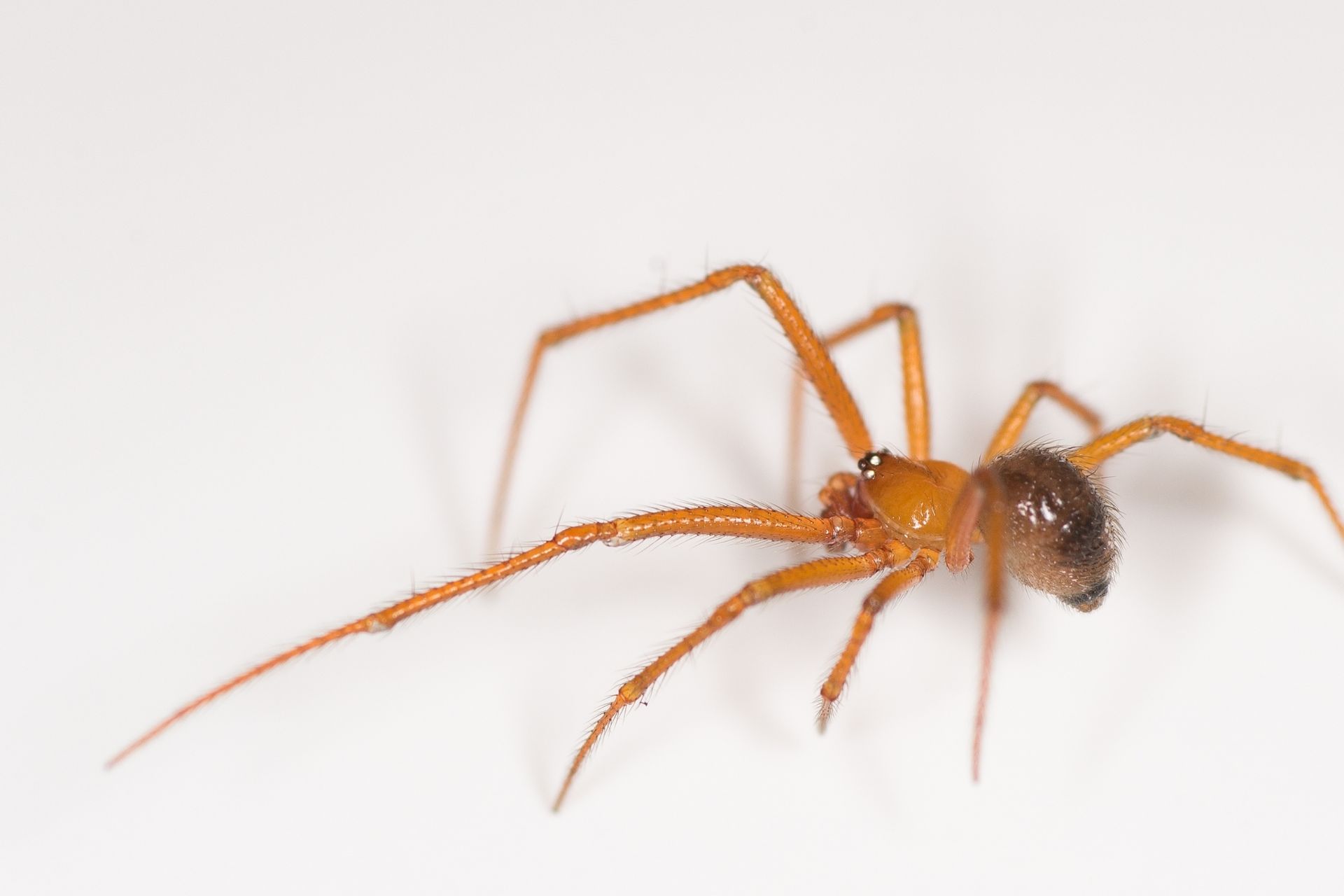
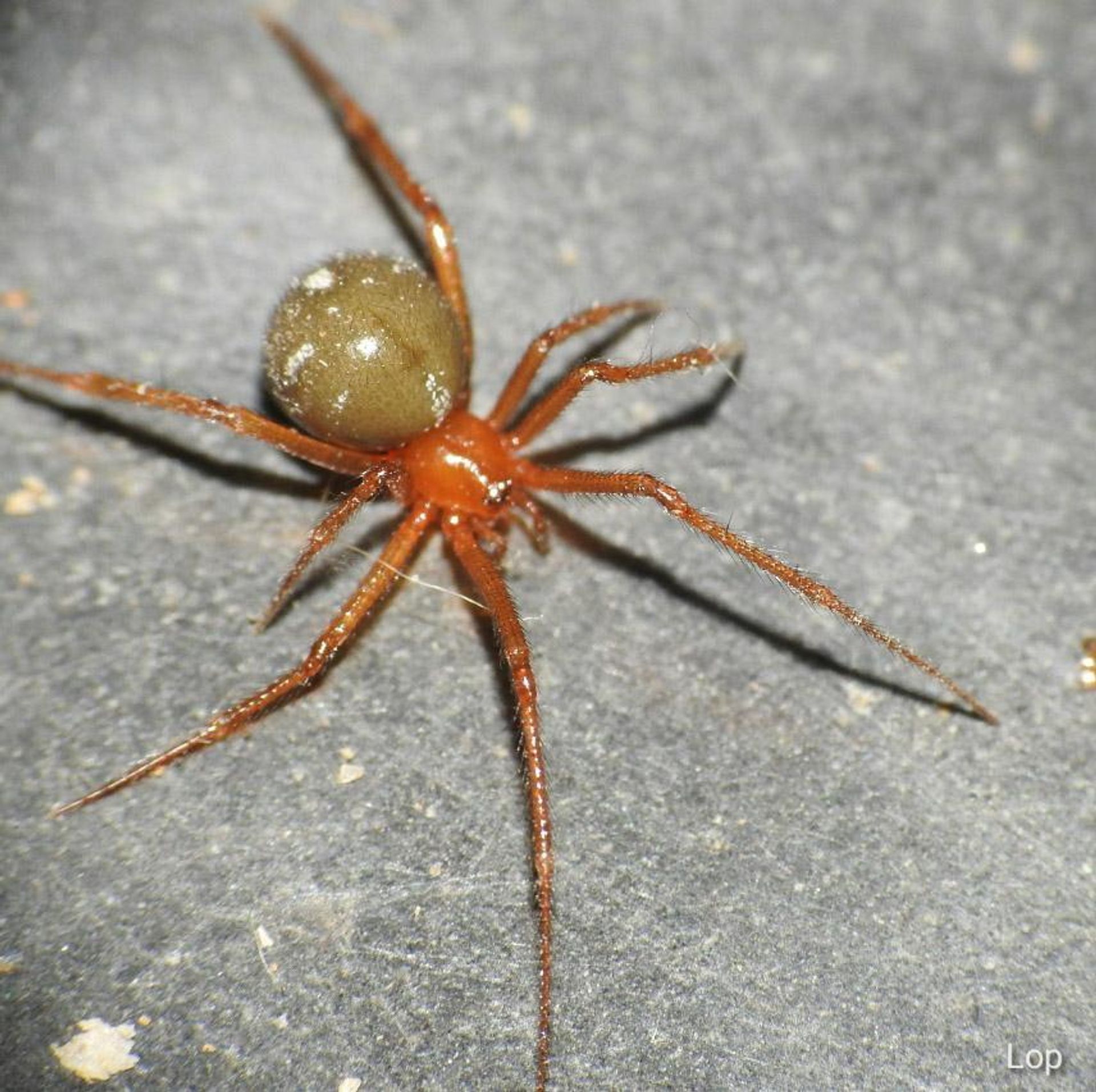
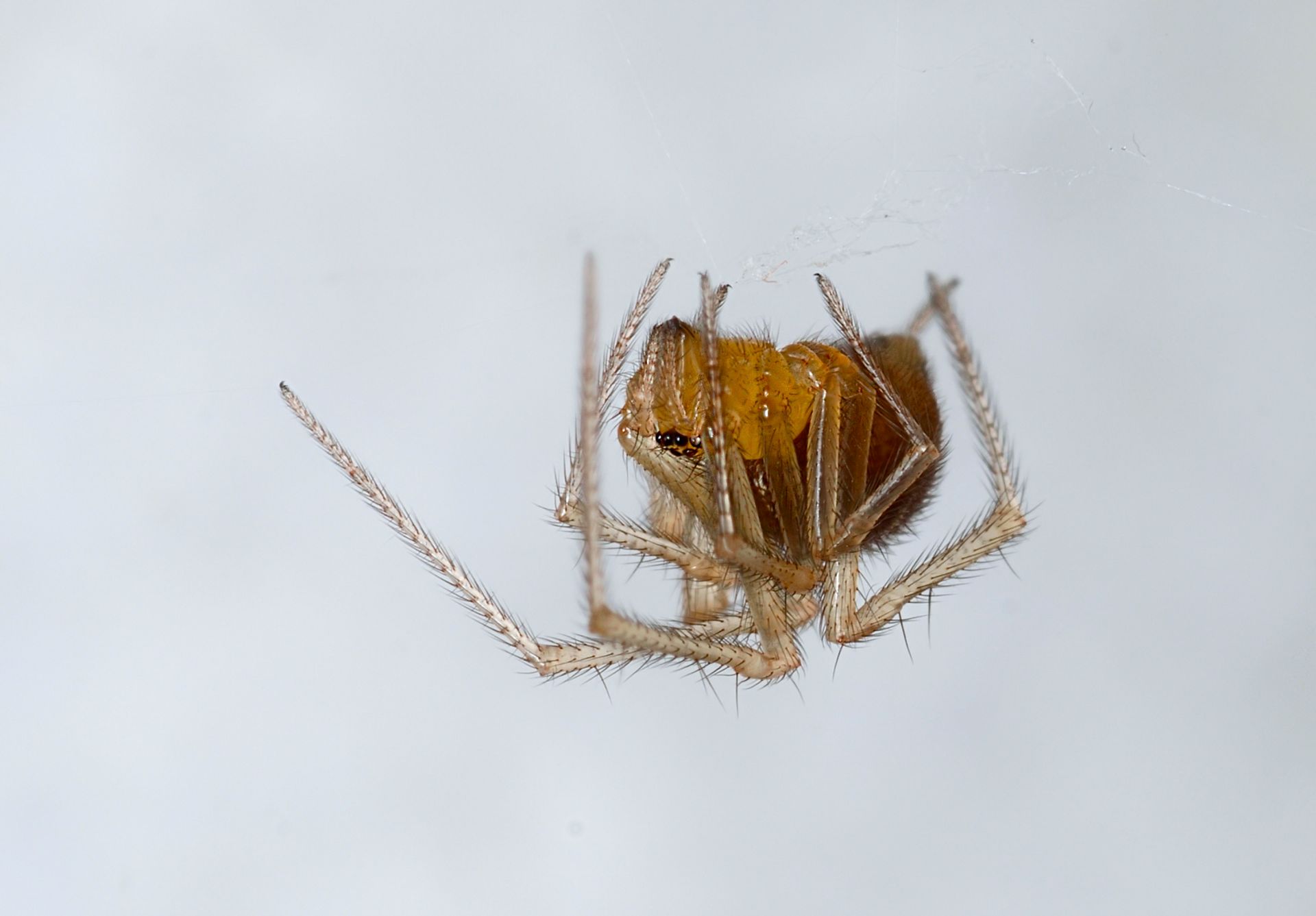
Nesticodes is a of comb-footed spiders (Theridiidae) established by Allan Frost Archer in 1950. The sole , Nesticodes rufipes (the red house spider), is a small, spider with a pantropical distribution facilitated by human transport. It is venomous but not medically significant to humans. The genus has been the subject of behavioral and ecological research, particularly regarding dynamics and reproductive plasticity.
Pronunciation
How to pronounce Nesticodes: //nɛˈstɪkoʊdiːz//
These audio files are automatically generated. While they are not always 100% accurate, they are a good starting point.
Identification
Distinguished from other theridiid by combination of habit, small reddish body, and pantropical distribution. Nesticodes rufipes specifically can be recognized by its red coloration and association with human structures. The genus is , reducing identification complexity, though it may be confused with other small red theridiids such as some Steatoda ; accurate identification requires examination of genitalia and tarsal comb structure.
Images
Appearance
Small-bodied spider with a reddish coloration. As a theridiid, possesses the characteristic comb-like serrated bristles (setae) on the hind used for throwing silk over prey. Detailed morphological descriptions of the -level traits are not well-documented beyond the type .
Habitat
Strongly ; occurs almost exclusively in association with human-made structures. Builds webs in dark corners, under furniture, and in sheltered indoor locations. Laboratory studies indicate adaptability to varying substrate complexity, with affected by structural heterogeneity.
Distribution
Pantropical distribution resulting from human-mediated via ships and aircraft. Established occur across tropical and subtropical regions worldwide wherever human transport has facilitated .
Diet
of small insects. Documented prey includes mosquitoes (Culicidae), flies (Diptera), and ants (Formicidae). Laboratory studies demonstrate functional Type II response to housefly (Musca domestica) prey , with rates influenced by hunger level and complexity.
Behavior
Constructs irregular cobwebs in sheltered locations. Exhibits -dependent dynamics (Type II ) with handling time influencing capture rates. Males demonstrate reproductive plasticity: prior mating experience reduces subsequent courtship effort and accelerates sperm release. In interspecific interactions, has been observed to kill and consume brown widow spiders (Latrodectus geometricus) in 40% of laboratory pairings, while cohabitating in 50%.
Ecological Role
of household and structure-associated insects; potential role in regulating of flies such as Musca domestica in environments like poultry houses. Serves as both predator and prey in urban spider , with documented on widow spiders.
Human Relevance
Common household resident in tropical and subtropical regions. Venomous but not harmful to humans; bites are not considered medically significant. Presence in homes is generally tolerated due to on pest insects. Subject of scientific research on -prey dynamics, functional responses, and reproductive .
Similar Taxa
- SteatodaOther theridiid with small-bodied, ; distinguished by genital and tarsal comb structure
- LatrodectusLarger theridiids with more potent venom; Nesticodes distinguished by smaller size, red coloration, and non-medical significance of bites
More Details
Research significance
Nesticodes rufipes has become a model organism for studying functional responses in spiders, with multiple laboratory studies examining how hunger level and heterogeneity affect on houseflies. The ' amenability to laboratory rearing and its ecological role as a make it useful for behavioral and ecological research.
Interspecific aggression
Research on brown widow spider displacement of black widows incidentally revealed that Nesticodes rufipes can be an effective of Latrodectus geometricus, killing sub- brown widows in 40% of laboratory encounters despite the brown widows' documented aggression toward other .
Sources and further reading
- BugGuide
- Wikipedia
- GBIF taxonomy match
- iNaturalist taxon
- NCBI Taxonomy
- Catalogue of Life
- Brown Widow Spiders' Aggression Likely Driver of Black Widow Decline
- Effects of mating experience on subsequent reproductive behaviour and sperm release in the spider Nesticodes rufipes
- The role of habitat heterogeneity for the functional response of the spider Nesticodes rufipes (Araneae: Theridiidae) to houseflies
- The effect of hunger level on predation dynamics in the spider Nesticodes rufipes : a functional response study