Habronattus altanus
(Gertsch, 1934)
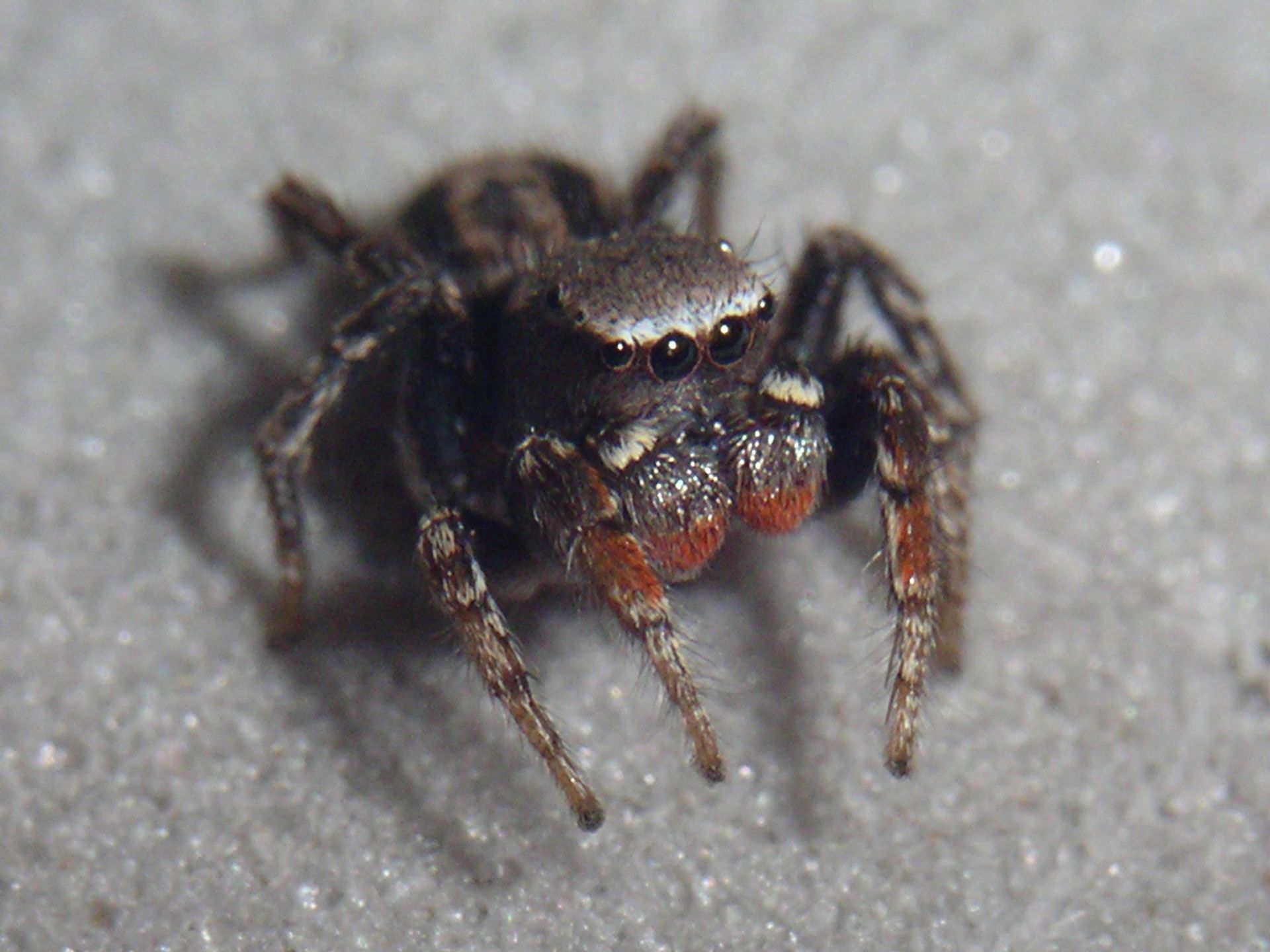
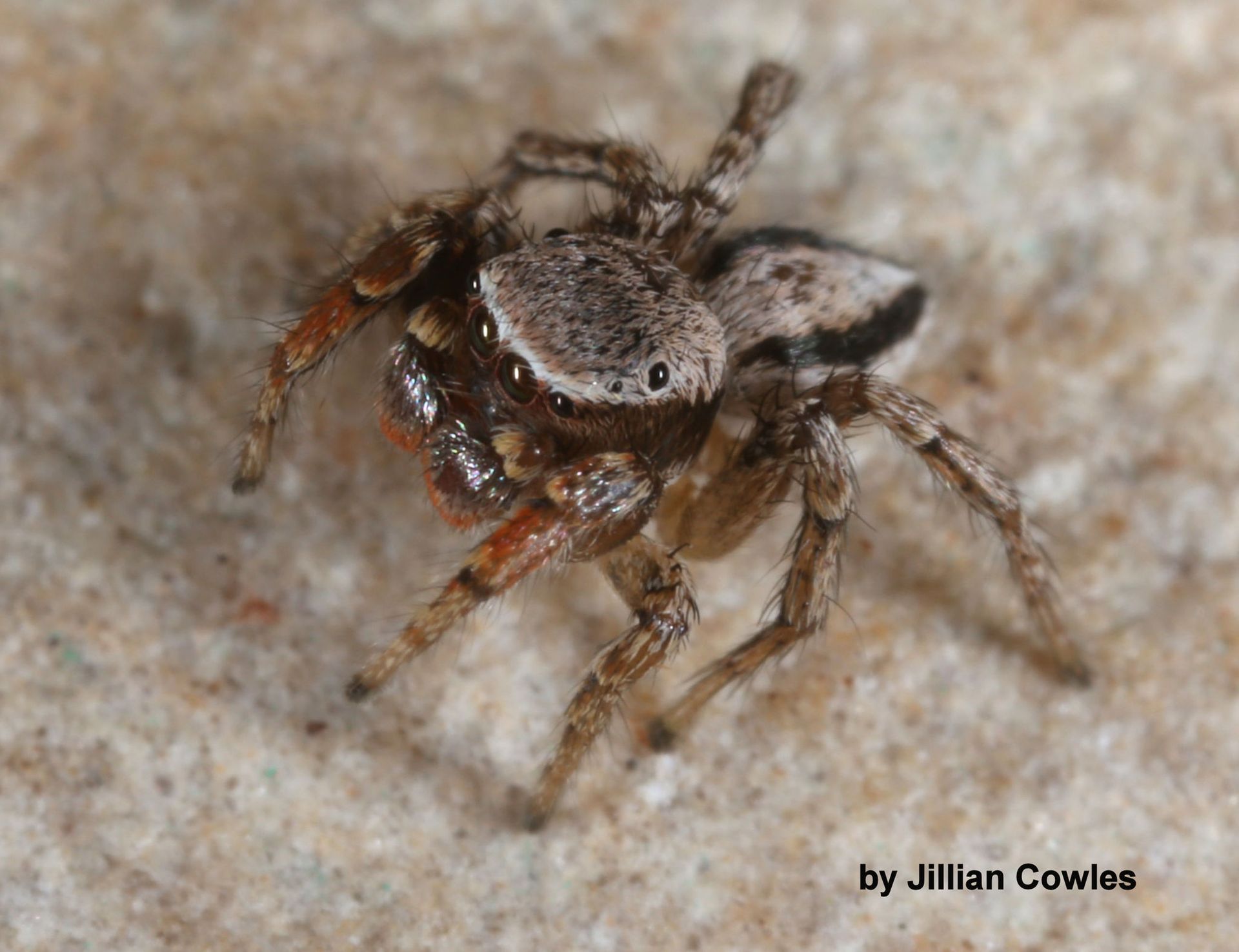
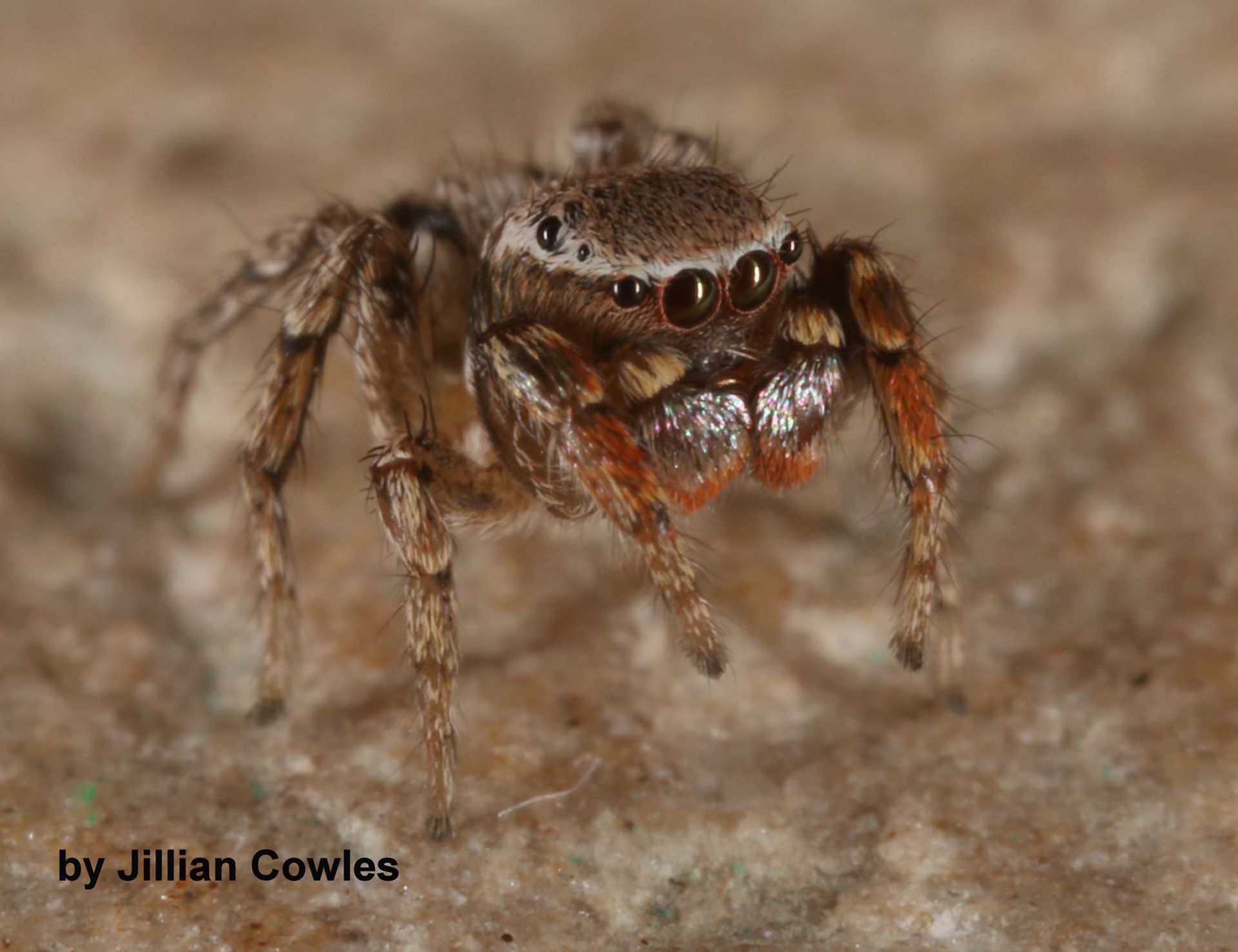
Habronattus altanus is a of jumping spider in the Salticidae, first described by Gertsch in 1934. The Habronattus is a large group of small, ground-dwelling jumping spiders found primarily in North America, with the highest diversity in the southwestern United States. Members of this genus are known for elaborate multimodal combining visual signals with acoustic vibrations. H. altanus has been recorded from Canada (Alberta, Manitoba), the United States, and Mexico.
Pronunciation
How to pronounce Habronattus altanus: /ˌhæbroʊˈnætəs ælˈteɪnəs/
These audio files are automatically generated. While they are not always 100% accurate, they are a good starting point.
Identification
Identification of Habronattus altanus to level requires examination of specific morphological features, particularly in males. The Habronattus is characterized by small body size (typically 3-5 mm), ground-dwelling habits, and frequently coloration in males. Many male Habronattus species have modified third legs used in , often with prominent spurs or bright coloration on the . Females are generally more cryptically colored. Definitive identification of H. altanus specifically would require comparison with or expert examination of genitalic structures.
Images
Habitat
Habronattus are typically found in open, ground-level with scattered vegetation, including prairies, grasslands, and areas with stones or leaf litter. They are not arboreal, preferring to hunt on the ground or low vegetation. The specific habitat preferences of H. altanus have not been separately documented from those of the generally.
Distribution
Recorded from Canada (Alberta, Manitoba), the United States, and Mexico. GBIF records confirm presence in the Canadian provinces of Alberta and Manitoba.
Diet
As with all jumping spiders in the Salticidae, H. altanus is an active visual that hunts small prey. Specific dietary records for this are not documented.
Life Cycle
The of Habronattus altanus has not been specifically documented. Jumping spiders in the Habronattus generally have typical salticid development with deposited in silken sacs, spiderlings that disperse and hunt independently, and gradual maturation through multiple .
Behavior
Members of the Habronattus are known for exceptionally elaborate courtship , among the most complex of any terrestrial . Males perform multimodal displays combining visual signals (leg movements, colored displays) with acoustic vibrations produced by drumming or tapping on the substrate. The third pair of legs is often modified with spurs or bright coloration and is prominently displayed during courtship. These spiders are , active hunters that rely on acute vision rather than webs to capture prey.
Ecological Role
As small predatory spiders, Habronattus altanus likely functions as a of small insects and other arthropods in ground-level . The is known to be abundant in prairie where they may exert significant pressure on small prey. They are also documented as predators of bees and other flower-visiting insects.
Similar Taxa
- Habronattus cuspidatusSimilar ground-dwelling Habronattus with modified male third legs bearing prominent spurs; distinguished by specific spur and geographic distribution
- Habronattus calcaratusRelated with similar elaborate and modified third legs; differentiated by specific morphological details of leg ornamentation
- Euophrys monadnockSimilar small, colorful male jumping spiders that may be mistaken for Habronattus ; distinguished by different leg ornamentation pattern (bright orange on legs III and IV rather than modified third legs with spurs) and different geographic distribution
More Details
Taxonomic history
Described by Gertsch in 1934. The Habronattus contains approximately 100 , representing one of the largest genera of jumping spiders in North America.
Courtship complexity
Research by Elias et al. (2012) documented that Habronattus courtship involves synchronized multimodal signals, with vibratory components described as comparable to orchestral compositions in their complexity.