
Kibramoa
Chamberlin, 1924
Species Guides
1Kibramoa is a of spiders in the Plectreuridae, first described by Ralph Vary Chamberlin in 1924. The genus comprises seven and one , all restricted to arid regions of Mexico and the southwestern United States. These spiders are among the lesser-known members of Plectreuridae, a family characterized by elongated and haplogyne genitalia.
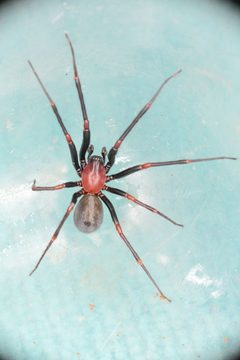
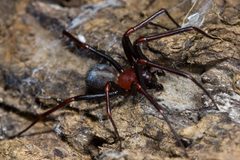
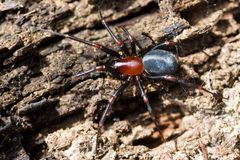
Pronunciation
How to pronounce Kibramoa: /kɪˈbræmoʊə/
These audio files are automatically generated. While they are not always 100% accurate, they are a good starting point.
Identification
Members of Kibramoa can be distinguished from other plectreurid by genitalic characters, particularly the structure of the male palpus and female . -level identification requires examination of these structures and is not reliably accomplished from external alone.
Images
Habitat
occur in arid and semi-arid environments of the southwestern United States and Mexico, including desert scrub, chaparral, and dry woodland . Specific microhabitat preferences vary by species but generally include ground-level retreats and crevices.
Distribution
Restricted to Mexico and the United States. In the United States, are found in California, Nevada, Arizona, and adjacent states. Mexican records include Baja California and mainland localities.
Similar Taxa
- PlectreurysThe only other in Plectreuridae; distinguished by genitalic and geographic distribution (Plectreurys is primarily Mediterranean)
More Details
Taxonomic history
Chamberlin established Kibramoa in 1924 to accommodate previously placed in Plectreurys. The name is an anagram of Chamberlin's name.
Species diversity
Seven and one are currently recognized, all described between 1919 and 1958. No new species have been described since 1958, suggesting the fauna may be relatively well known or undercollected.