
Pirata
Sundevall, 1833
pirate wolf spiders
Species Guides
6- Pirata alachuus
- Pirata aspirans
- Pirata montanoides
- Pirata montanus(Dark-legged Pirate Wolf Spider)
- Pirata piraticus(Pirate Otter Spider)
- Pirata sedentarius
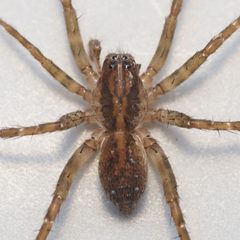
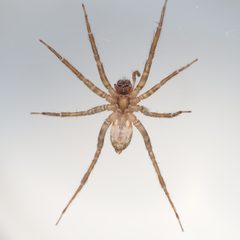
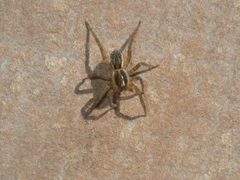
Pirata is a of wolf spiders ( Lycosidae) commonly known as pirate wolf spiders. These spiders are characterized by their association with moist and distinctive arrangement typical of lycosids. The genus was established by Sundevall in 1833 and contains multiple distributed across North America and Eurasia. Pirata species are active hunters that do not build permanent webs for prey capture.
Pronunciation
How to pronounce Pirata: /pɪˈrɑːtə/
These audio files are automatically generated. While they are not always 100% accurate, they are a good starting point.
Identification
Pirata can be distinguished from other wolf spider by their arrangement: two large eyes with four small eyes in front and two medium-sized eyes laterally. Members of this genus often show dark coloration with pale markings. The in females and structure in males are critical for species-level identification. Pirata species are frequently confused with other lycosid genera such as Pardosa, but Pirata typically shows more robust body proportions and different preferences.
Images
Habitat
Pirata are strongly associated with moist environments including wetlands, marshes, riparian zones, and damp meadows. They are frequently found near standing or slow-moving water. Some species occupy ranging from forest edges to open grasslands provided moisture is adequate.
Distribution
The has a Holarctic distribution, occurring across North America from Canada through the United States, and throughout Eurasia including northern Europe. Distribution records include Denmark, Norway, Sweden, and the northeastern United States (Vermont).
Behavior
Pirata are wandering hunters that do not construct permanent webs for prey capture. They are ground-dwelling spiders that actively pursue prey. Members of this have been observed to occupy specific microhabitats and show site fidelity once a suitable location is found.
Ecological Role
As mid-level , Pirata contribute to in wetland and riparian . They serve as prey for larger , birds, and small mammals.