
Microlinyphia mandibulata
(Emerton, 1882)
Common Threaded Sheetweaver
Species Guides
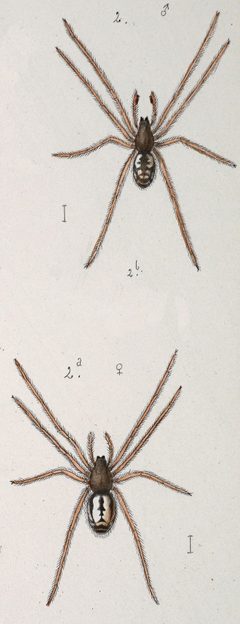
2Microlinyphia mandibulata is a sheetweb spider in the Linyphiidae, commonly known as the Common Threaded Sheetweaver. It is native to the United States. The was first described by Emerton in 1882. Two are recognized: M. m. mandibulata and M. m. punctata.
Pronunciation
How to pronounce Microlinyphia mandibulata: //ˌmaɪkroʊˌlɪnɪˈfaɪə ˌmændɪˈbjuːlætə//
These audio files are automatically generated. While they are not always 100% accurate, they are a good starting point.
Identification
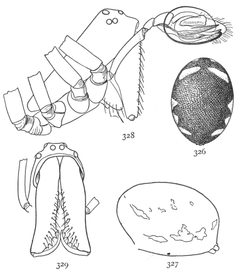
Members of the Microlinyphia can be recognized by the circular filament called the embolus that issues from the male's . This hair-like structure serves as the channel through which sperm travels during mating. Specific identification features for M. mandibulata are not documented in available sources.
Images
Habitat
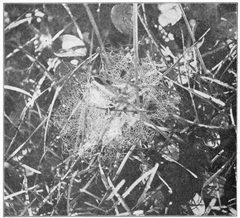
Females and males construct flat, sheet-like webs built close to the ground amid grasses and low plants. The spider clings upside down to the underside of the web. Morning dew can make these webs more visible.
Distribution
United States
Seasonality
Males have been observed wandering in search of mates during fall. Activity has been documented into November in some regions.
Life Cycle
Females typically produce one or more sacs after mating. The egg stage allows embryos to overwinter, insulated within silk layers spun by the mother. Eggs often hatch within the sac, with spiderlings remaining until weather becomes favorable for .
Behavior
Males wander in search of mates during autumn. Females and males live on their sheet webs, clinging upside down to the underside. Young spiders may disperse through ballooning, climbing vertical objects to catch wind.
Similar Taxa
- Metepeira spp. (labyrinth spiders)Also build sheet-like webs, but construct a combination orb web and tangled snare with a tubular retreat, unlike the simple flat sheet webs of Microlinyphia.
More Details
Subspecies
Two are recognized: Microlinyphia mandibulata mandibulata (Emerton, 1882) and Microlinyphia mandibulata punctata (Chamberlin & Ivie, 1943).