
Scotinotylus
Simon, 1884
Species Guides
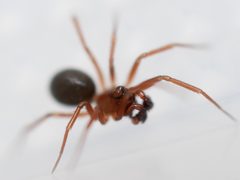
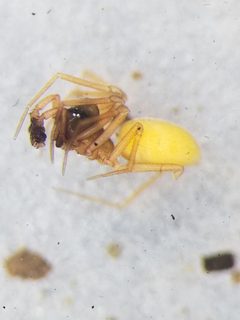
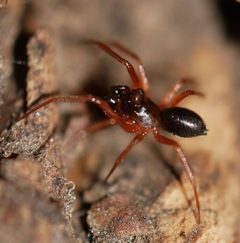
4Scotinotylus is a of sheet-weaving spiders in the Linyphiidae, first described by Eugène Louis Simon in 1884. The genus contains approximately 47 distributed across Europe, Asia, and North America. Many species inhabit cold or montane environments, with several found in Arctic, alpine, and subarctic regions. The genus is taxonomically well-established but individual species remain poorly documented in terms of natural history.
Pronunciation
How to pronounce Scotinotylus: //skoʊtɪˈnɒtɪləs//
These audio files are automatically generated. While they are not always 100% accurate, they are a good starting point.
Identification
Scotinotylus are small linyphiid spiders, generally measuring 2–4 mm in body length. They can be distinguished from other linyphiid by subtle genitalic characters, particularly the structure of the male palpal organ and female . Species-level identification requires microscopic examination and comparison with . The genus lacks the pronounced somatic modifications seen in some related sheet-web genera.
Images
Habitat
occur in diverse terrestrial including tundra, taiga, alpine meadows, and temperate forests. Many species are associated with cold climates: several are restricted to Arctic, subarctic, or high-elevation montane zones. Some North American species have been recorded from beaver lodges and riparian habitats. The shows a pronounced affinity for cooler environments relative to many other linyphiid genera.
Distribution
Holarctic distribution spanning Europe, northern Asia (Siberia to Central Asia), and North America (USA, Canada, Alaska, Greenland). European range extends from the Alps and Pyrenees north to Scandinavia; Asian records include Russia, Kazakhstan, Mongolia, and Japan; North American distribution covers much of Canada and the northern United States, with some reaching Greenland.
Behavior
Constructs sheet webs typical of the Linyphiidae—flat horizontal sheets with a retreat at the edge or beneath, often accompanied by an irregular tangle of threads above. Specific behavioral details for most are undocumented.
Ecological Role
Small predatory arthropods that contribute to regulation of insect in their . Their sheet webs capture flying and jumping prey in ground-layer and vegetation strata of forest, tundra, and riparian .
Human Relevance
No documented economic or medical significance. Occasionally encountered in ecological surveys of northern and montane . Some serve as indicators of cold-climate or pristine habitat conditions.
Similar Taxa
- LinyphiaLarger sheet-web weavers with more robust body proportions and often more complex web architecture; Scotinotylus are generally smaller and more delicate with simpler web structures.
- NerieneOverlaps in and web type; distinguished by genitalic and often by more pronounced abdominal patterning in Neriene.
- LepthyphantesSimilar small size and preferences; Scotinotylus typically has more pronounced cephalic modifications and different epigynal structure.
More Details
Taxonomic History
The has undergone significant revision, with many transferred from or to related genera. Several species were originally described in Erigone or other linyphiid genera before being moved to Scotinotylus. The North American fauna was substantially revised by Millidge (1981).
Conservation Status
No in the are currently evaluated by the IUCN. Several have restricted ranges in alpine or Arctic potentially vulnerable to climate change.