
Eilica
Keyserling, 1891
Species Guides
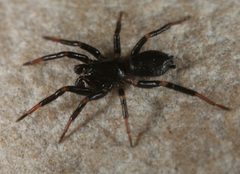
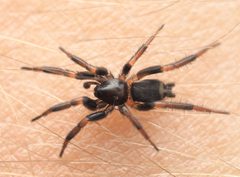
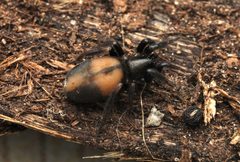
1Eilica is a of ground spiders in the Gnaphosidae, established by Eugen von Keyserling in 1891. The genus comprises 28 with worldwide distribution, though South America 10 species including several with meridional distributions. Members are small to medium-sized spiders ranging from 2.2–7.8 mm in length. They are distinguished by distinctive cheliceral including two or three translucent laminae on the cheliceral retromargin and anteriorly produced with convergent endites.
Pronunciation
How to pronounce Eilica: /ˈeɪ.lɪ.kə/
These audio files are automatically generated. While they are not always 100% accurate, they are a good starting point.
Identification
Easily recognized by the two or three translucent laminae on the cheliceral retromargin combined with anteriorly produced and convergent endites. The leg formula 4123 is distinctive. row slightly procurved, row slightly recurved; posterior eyes irregularly rectangular, other eyes circular; lateral eyes larger than medians.
Images
Distribution
Worldwide distribution. South America: 10 including seven with meridional distribution in Argentina and surrounding regions. Eilica pomposa described from Argentina with specimens collected approximately 1000 km apart.
Similar Taxa
- Other Gnaphosidae generaEilica is distinguished from other ground spiders by the combination of translucent laminae on the cheliceral retromargin, anteriorly produced , and convergent endites—features not shared with most other gnaphosid