
Podocinidae
Berlese, 1913
Genus Guides
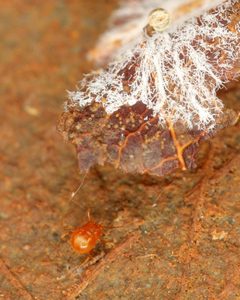
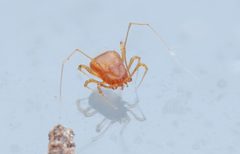
1Podocinidae is a of free-living predatory mites in the order Mesostigmata. The family comprises 38 across three : Africoseius, Podocinella, and Podocinum. These mites are primarily soil and leaf litter inhabitants, with most species in the genus Podocinum. Their remains poorly known despite taxonomic documentation from multiple continents.
Pronunciation
How to pronounce Podocinidae: //ˌpɒdoʊˈsɪnɪˌdiː//
These audio files are automatically generated. While they are not always 100% accurate, they are a good starting point.
Identification
Podocinidae can be distinguished from other Mesostigmata by the combination of characters used in the family : notably, the presence of a podonotal setal pattern and specific cheliceral . The three are separated by key characters including leg chaetotaxy and idiosomal setation patterns. Podocinum, the largest genus, contains 31 and is distinguished from Podocinella and Africoseius by specific features detailed in published genus keys.
Images
Habitat
Soil and leaf litter. Specimens have been collected from the fur of wild rodents (Niviventer fulvescens), though this association is noted as possibly accidental. One , Andregamasus conchylicola, has been recorded from shells of hermit crabs in association with .
Distribution
Recorded from multiple continents including North America (United States, Canada), Asia (China including Tibet, Guizhou, Taiwan, Inner Mongolia, Sichuan; Japan; Philippines), and Europe. The was first recorded in Canada from southeastern Ontario.
Diet
Predatory. Specific prey items are not documented in available sources.
Host Associations
- Niviventer fulvescens - epizoicFirst report from wild rodent ; noted as possibly accidental association
- hermit crabs - commensalAndregamasus conchylicola recorded from shells in association with
- hamster (Cricetinae) - nest From nest per referenced literature
Behavior
Predatory has been documented.
Ecological Role
Free-living soil and litter inhabitants; specific functions are not documented.
Similar Taxa
- PhytoseiidaeBoth belong to superfamily Phytoseioidea and share general mesostigmatid ; Podocinidae distinguished by podonotal setal patterns and cheliceral structure
- Other Gamasina familiesPodocinidae separated by the combination of podonotal setation and specific idiosomal features used in -level keys
Sources and further reading
- BugGuide
- Wikipedia
- GBIF taxonomy match
- iNaturalist taxon
- NCBI Taxonomy
- Catalogue of Life
- Catalogue of the mite family Podocinidae Berlese (Acari: Mesostigmata)
- Two New Podocinum from the United States with Distribution Notes on Three Described Species (Acarina: Podocinidae)
- A new species of Podocinum Berlese (Acari: Podocinidae) and a key to species of the genus from China
- FIRST RECORD OF THE MITE FAMILY PODOCINIDAE (ACARI: MESOSTIGMATA) IN CANADA, WITH NOTES ON OTHER RECORDS IN NORTH AMERICA
- Über die mit Nematoden und Einsiedlerkrebsen vergesellschaftete Raubmilbengattung Andregamasus Costa der Podocinidae Berlese (Cohors Gamasina Leach: Acarina, Parasitiformes)
- A revised checklist and key to the genus Podocinum Berlese (Acari: Podocinidae) with description of a new species from Tibet, Southwest China