
Eupodes
C. L. Koch, 1835
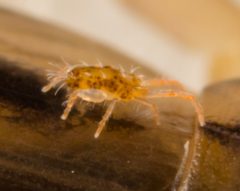
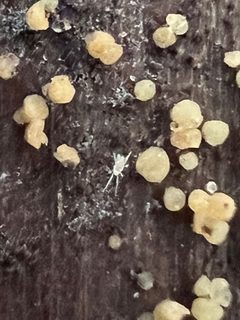
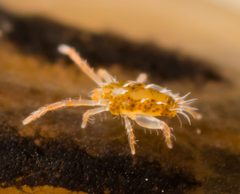
Eupodes is a of prostigmatid mites in the Eupodidae, first described by C. L. Koch in 1835. The genus contains at least 58 described distributed across all continents except South America, with notable diversity in Antarctica, Europe, Africa, and Asia. Species inhabit varied environments including maritime Antarctic regions, temperate zones, and tropical localities.
Pronunciation
How to pronounce Eupodes: /juːˈpoʊdiːz/
These audio files are automatically generated. While they are not always 100% accurate, they are a good starting point.
Images
Habitat
span maritime Antarctica, temperate terrestrial environments, and tropical regions. Specific habitat preferences vary by ; Antarctic species have been documented in maritime Antarctic zones.
Distribution
distribution across all continents except South America. Documented in Antarctica (including maritime Antarctic, South Orkney Islands, South Shetland Islands, Antarctic Peninsula), Europe (Austria, Denmark, England, France, Germany, Greenland, Iceland, Ireland, Italy, Netherlands, Norway, Spain, Sweden, Switzerland), Africa (Angola, Botswana, Cabo Verde, Egypt, South Africa, Zimbabwe), Asia (China, India, Iran, Israel, Japan, Malaysia, Philippines, Singapore), North America (Alaska, California, Canada, Hawaii), and Oceania (Campbell Island, Macquarie Island, New Zealand).
More Details
Species diversity
The comprises at least 58 described , with significant taxonomic activity in the late 20th century. Antarctic research has identified cryptic species through morphometric analysis, including the description of E. exiguus and E. parvus (with E. p. parvus and E. p. grahamensis) from maritime Antarctic previously attributed to E. minutus.