Cunaxinae
Genus Guides
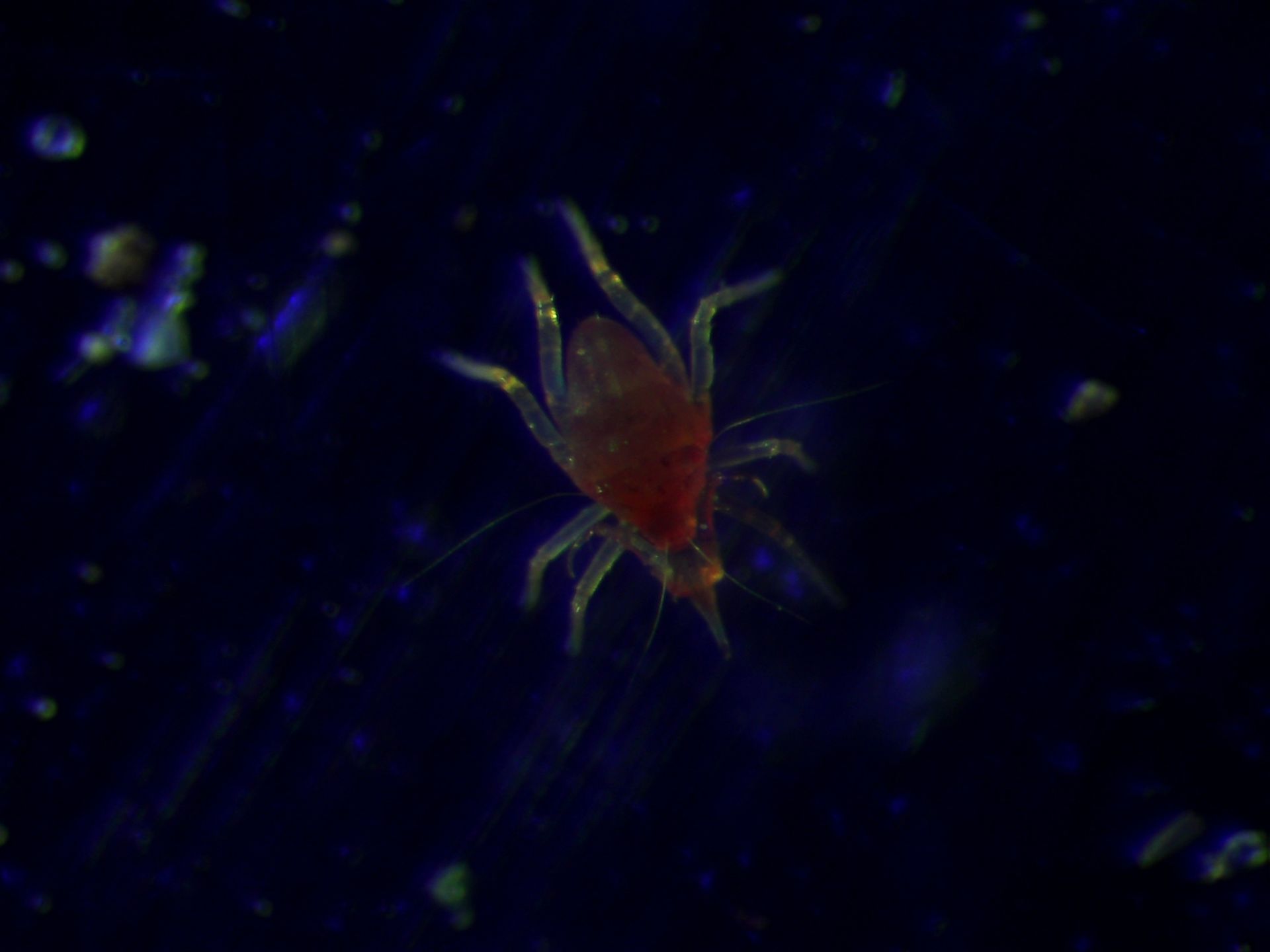
2Cunaxinae is a of predatory mites within Cunaxidae (order Trombidiformes). Members are characterized by distinctive palpal and leg chaetotaxy patterns. The Philippine fauna includes at least 26 , with new species continuing to be described. These mites occupy diverse soil and litter microhabitats across tropical and subtropical regions.
Pronunciation
How to pronounce Cunaxinae: //kjuːˈnæksɪniː//
These audio files are automatically generated. While they are not always 100% accurate, they are a good starting point.
Identification
Diagnostic features include: small disc-shaped dorsodistally on palp telofemur (in some ); two spine-like setae on palp genu; long spine-like seta on palp tibiotarsus; ill-defined propodosomal shield; absence of hysterosomal shield; long hysterosomal setae; specific basifemoral and telofemoral chaetotaxy patterns (e.g., 4-4-3-1 and 5-5-4-4 in Cunaxa minidiscondyla).
Images
Habitat
Soil and litter microhabitats including: leaf litter, bark, organic debris, nests, nests, rotten wood, decomposing plant material (banana leaves, grasses, tree fern), flowers of kaong palm, litter under various trees (narra, pine, dao, mahogany, Gliricidia sepium), bamboo litter, mixed bamboo plantations, buttress litter, and forested area litter.
Distribution
Philippines: Luzon Island (Laguna, Isabela, Nueva Vizcaya, Benguet, Pangasinan, Bulacan provinces), Panay Island (Capiz Province). Broader distribution includes other regions where previously described occur.
Similar Taxa
- CunaxoidinaeAlso within Cunaxidae; distinguished by different morphological characters including shield configurations and chaetotaxy patterns. Both occur sympatrically in Philippine .
More Details
Taxonomic diversity
The Philippine fauna of Cunaxinae comprises at least 26 , with new species such as Cunaxa minidiscondyla described in 2019. The previously unknown male of Dactyloscirus trifidus was also described from this region.