
Phthiracarus
Perty, 1841
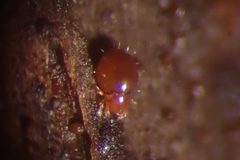
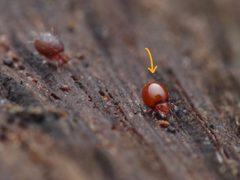
Phthiracarus is the second largest of ptyctimous mites (Euptyctima), with nearly distribution. The genus belongs to the Phthiracaridae within the oribatid mites (Oribatida), a diverse group of soil-dwelling arachnids. in this genus are primarily found in temperate forest soils and are associated with decomposition processes. Recent taxonomic work has described new species from previously understudied regions including Northeast China.
Pronunciation
How to pronounce Phthiracarus: /ˈθaɪrəˌkɛrəs/
These audio files are automatically generated. While they are not always 100% accurate, they are a good starting point.
Images
Habitat
Primarily soil-dwelling in temperate forest . Specific documented include Temperate Broadleaf and Mixed Forests, Temperate Conifer Forests, and taiga biomes. Elevation range predominantly below 500 m a.s.l. in European , with montane populations extending to higher elevations in Central Asian mountain systems.
Distribution
Nearly ; core distribution in the Palearctic with highest suitability in European temperate regions. Documented from Western Europe (including British Isles, Iberian Peninsula) through Central and Eastern Europe, Scandinavia, across Russian taiga and Urals to West Siberia. Disjunct in East Asia including China, Mongolia, Japan, Kamchatka, Kuril Islands, and Sakhalin. Connected through Central Asian mountain corridors (Tibet, Himalayas, Hindu Kush, Tian Shan, Altai).
Ecological Role
Soil decomposer; influences dead organic matter decomposition and improves spreading of primary decomposers (fungi and bacteria) in soil profile. Connects above-ground and below-ground processes.
Sources and further reading
- BugGuide
- GBIF taxonomy match
- iNaturalist taxon
- NCBI Taxonomy
- Catalogue of Life
- Distribution of euptyctimous mite Phthiracarus longulus (Acari: Oribatida) under future climate change in the Palearctic
- Phthiracarus species (Acari, Oribatida, Phthiracaridae) from Northeast China with descriptions of two new species and a key to Chinese species