
Brachypylina
Hull, 1918
Infraorder Guides
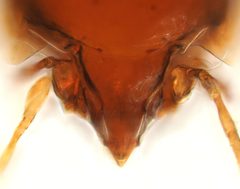
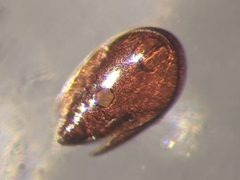
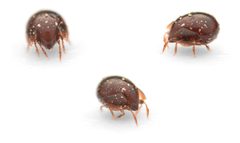
14Brachypylina is a diverse infraorder of oribatid mites (beetle mites) comprising the majority of oribatid . These mites are characterized by heavily armored, -like bodies with a distinct separation between the notogastral shield and other body regions. They occupy a wide range of terrestrial and play significant roles in decomposition and nutrient cycling.
Pronunciation
How to pronounce Brachypylina: /ˌbrækɪˈpaɪlɪnə/
These audio files are automatically generated. While they are not always 100% accurate, they are a good starting point.
Identification
Distinguished from other oribatid infraorders by the circumgastric furrow separating the notogastral shield from and body regions. The combination of diarthric subcapitulum, genital papillae count, and arrangement helps differentiate brachypyline mites from lower oribatids (Palaeosomata, Enarthronota, Parhyposomata, Mixonomata, Desmonomata).
Images
Habitat
Occurs in diverse terrestrial including soil, leaf litter, dead wood, lichen, moss, and vegetation. Highest densities reported in lichen and mosses; abundant on tree bark. Some inhabit periodically dry soils.
Distribution
distribution with Gondwanan elements in some . Recorded from North America (western Canada), Europe (Germany), Australia (Victoria, Tasmania), New Zealand, southern Africa, and South America.
Diet
, fungi, detritus, and small
Life Cycle
Postembryonic development includes nymphal stages preceding . stages described for some .
Ecological Role
component of oribatid mite in many ; contributes to decomposition and nutrient cycling through consumption of detritus, fungi, and .
Similar Taxa
- DesmonomataAnother oribatid infraorder; lacks the circumgastric furrow and associated body shield separation characteristic of Brachypylina
- MixonomataPrimitive oribatid group with different body architecture, often with more extensive covering and different leg insertion patterns
More Details
Taxonomic rank instability
Brachypylina has been variously classified as suborder, infraorder, or cohort in different taxonomic treatments. Catalogue of Life and NCBI recognize it as infraorder; iNaturalist lists it as parvorder; some sources use suborder.
Dominance in oribatid communities
In a German forest study, Brachypylina comprised 92% of all oribatids collected (23,168 of 25,162 individuals), with complete dominance on tree bark and highest representation in epiphytic .
Sources and further reading
- BugGuide
- Wikipedia
- GBIF taxonomy match
- iNaturalist taxon
- NCBI Taxonomy
- Catalogue of Life
- The first sexually dimorphic species of Oribatella (Acari, Oribatida, Oribatellidae) and a review of sexual dimorphism in the Brachypylina
- First records of Tumerozetidae and Nodocepheidae from Australia, with descriptions of new taxa and a re-assessment of the Polypterozetoidea (Oribatida, Brachypylina)