
Pachydesmus
Cook, 1895
Species Guides
1Pachydesmus is a of flat-backed millipedes in the Xystodesmidae, established by Cook in 1895. The genus contains approximately 9-12 described . These millipedes are classified in the order Polydesmida, characterized by their dorsoventrally flattened body form. Members of this genus are found in North America.
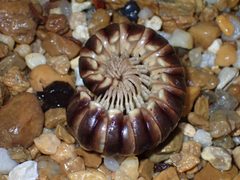
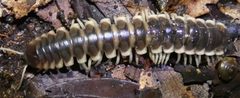
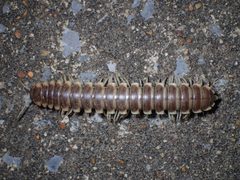
Pronunciation
How to pronounce Pachydesmus: /pəˈkaɪdɪsməs/
These audio files are automatically generated. While they are not always 100% accurate, they are a good starting point.
Identification
Pachydesmus can be distinguished from other xystodesmid by features of the (male reproductive appendages), which are the primary diagnostic characters for -level identification in this . The genus belongs to the tribe Rhysodesmini, and identification to species requires examination of these specialized structures. As flat-backed millipedes, they exhibit the characteristic broad, flattened paranota (lateral extensions of the body segments) typical of Polydesmida.
Images
Distribution
of Pachydesmus are distributed in North America, with records primarily from the United States.
Similar Taxa
- Other Rhysodesmini generaShares tribe-level characteristics including structure; requires detailed morphological examination to distinguish.
- Other Xystodesmidae generaSimilar flat-backed body plan and preferences; is the key distinguishing feature.
More Details
Species count discrepancy
Sources vary on the number of described , with Wikipedia citing approximately 9 species in some instances and 12 in others. This discrepancy may reflect ongoing taxonomic revisions or differences in species concept application.
Taxonomic history
The was established by O.F. Cook in 1895 and has undergone subsequent revision as part of broader work on the Xystodesmidae .