Triaenodes baris
Ross, 1938
Triaenodes baris is a of long-horned caddisfly in the Leptoceridae, described by Ross in 1938. The species is found in North America and belongs to a characterized by elongated in . As with other Leptoceridae, larvae likely inhabit aquatic environments and construct portable cases from plant material.
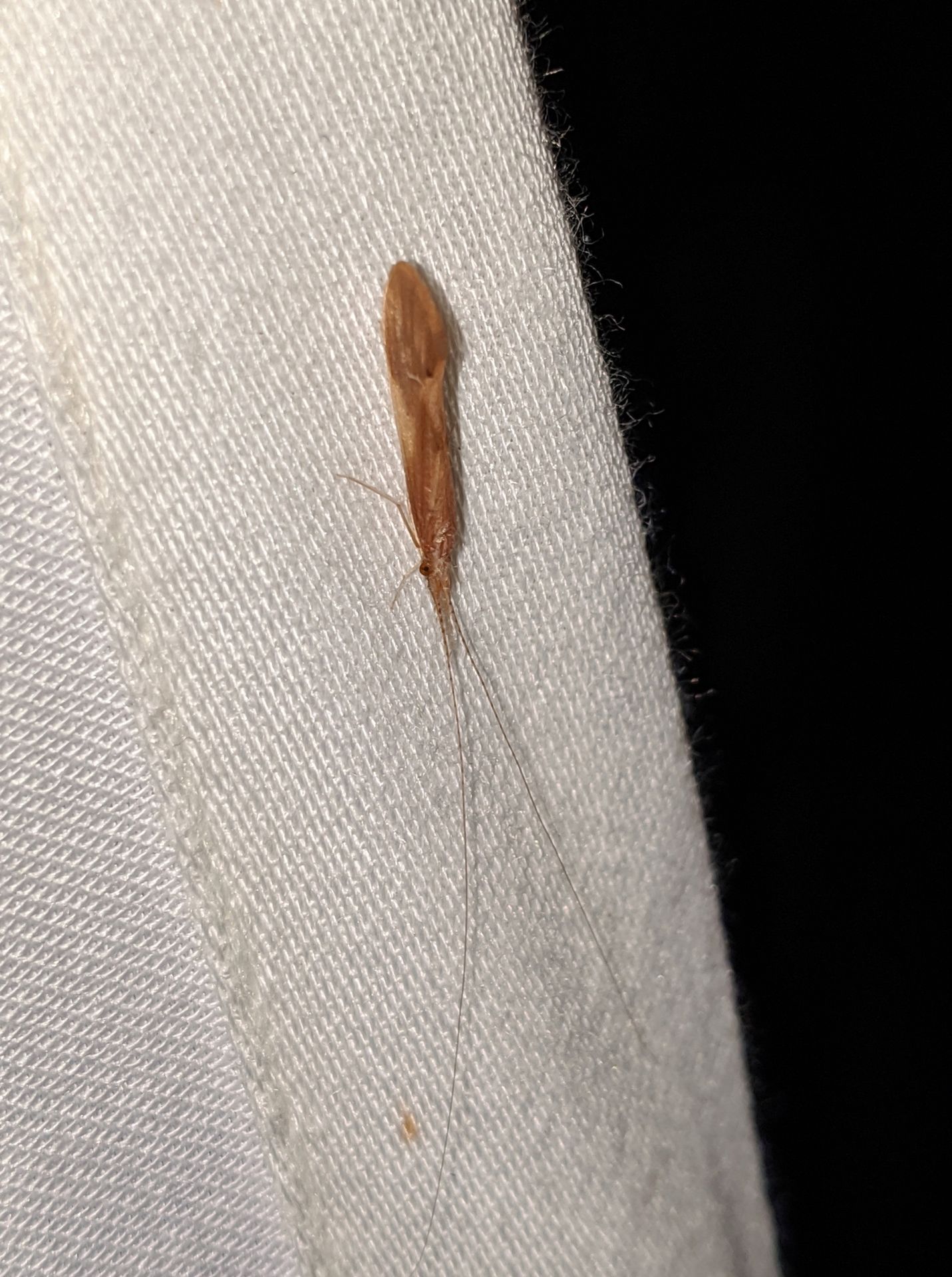
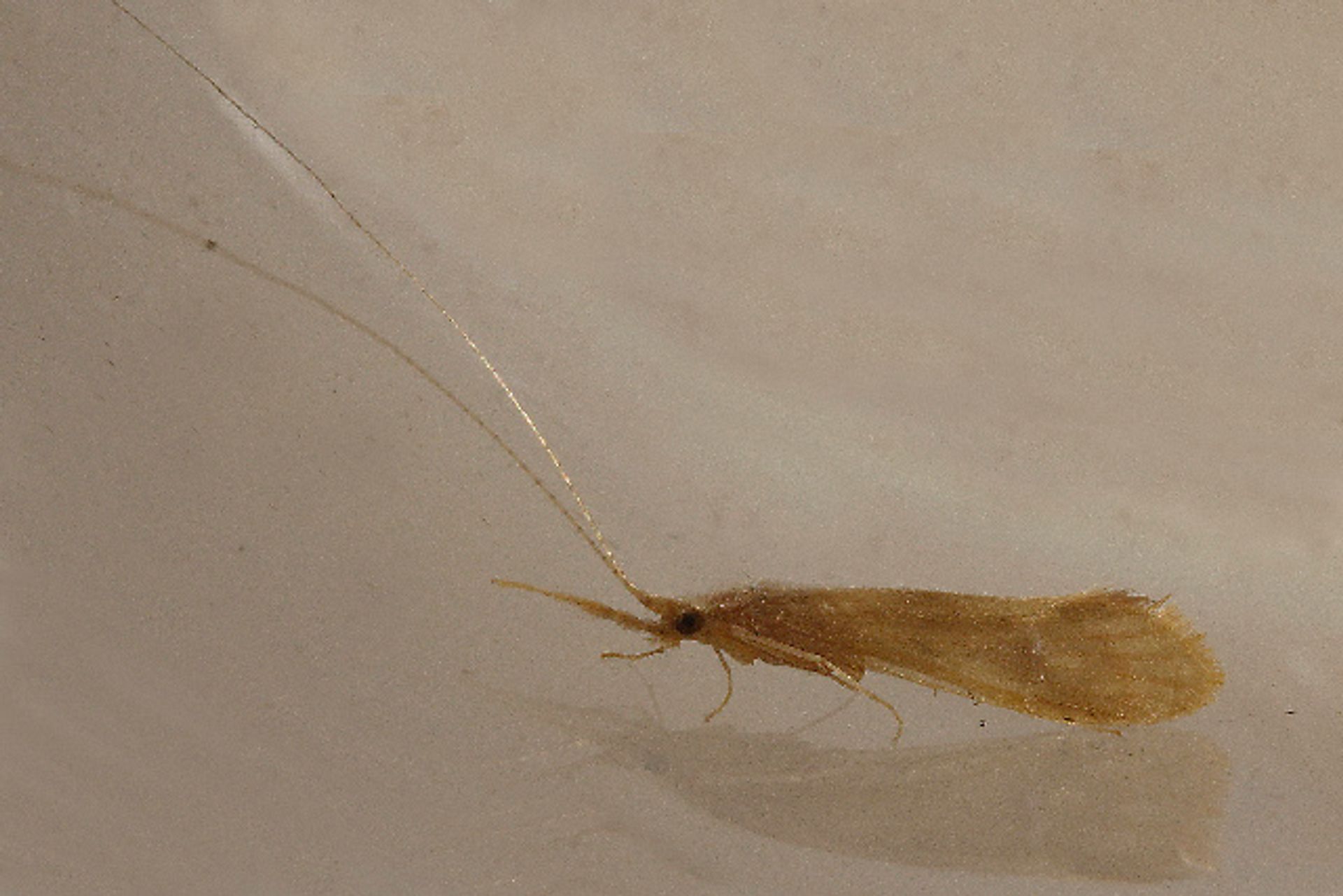
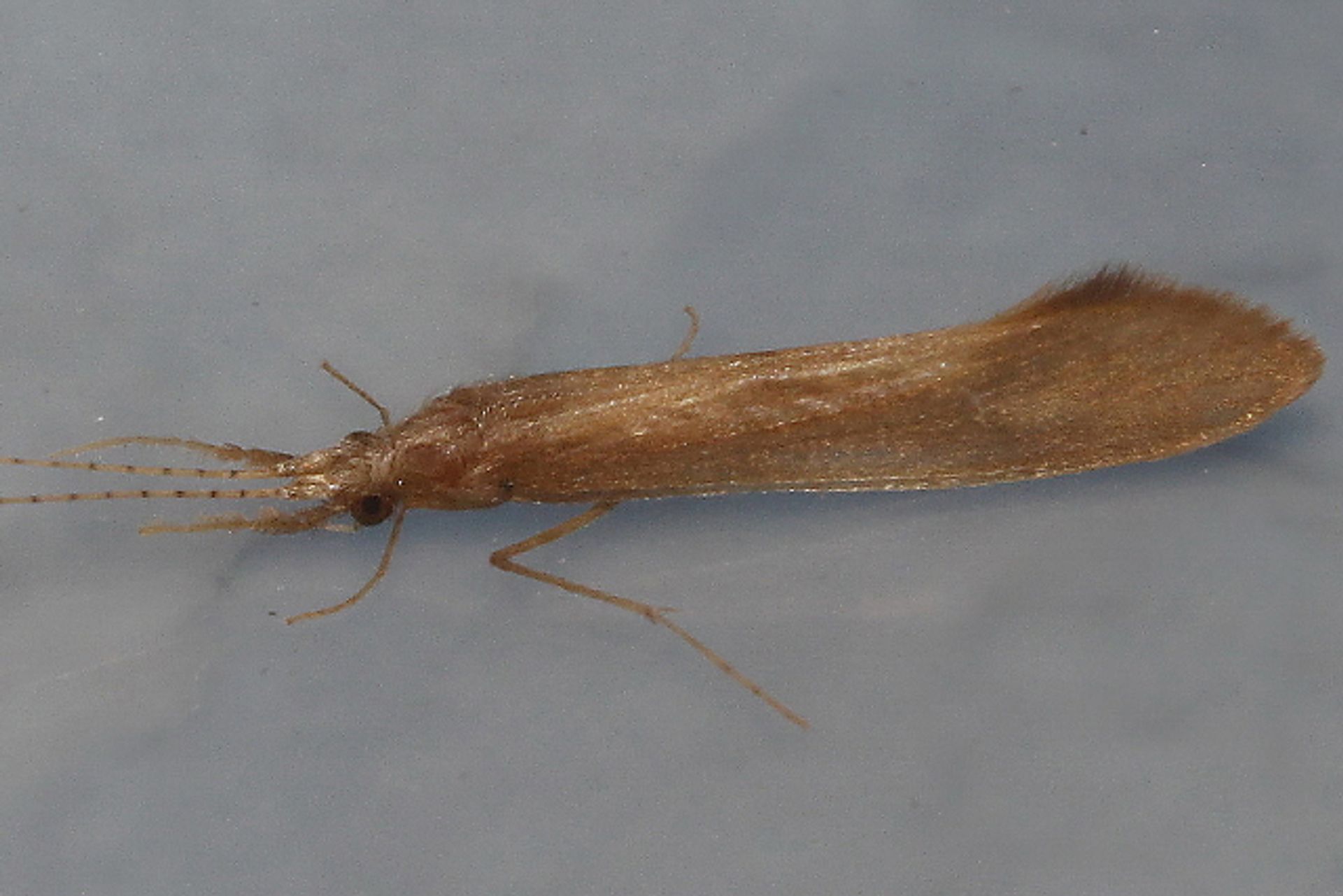
Pronunciation
How to pronounce Triaenodes baris: /traɪˈɛn.əˌdiːz ˈbær.ɪs/
These audio files are automatically generated. While they are not always 100% accurate, they are a good starting point.
Identification
Identification to level requires examination of genitalic structures and other fine morphological characters, as is typical for Trichoptera. The Triaenodes can be distinguished from other Leptoceridae by features of the maxillary palps and wing venation, but specific diagnostic characters for T. baris versus are not readily available in general sources.
Images
Habitat
Aquatic environments, likely streams or rivers, based on -level . Specific microhabitat preferences for T. baris are not documented.
Distribution
North America. GBIF records indicate presence in the Nearctic region with distribution records specifically noting North America.
Seasonality
activity period not documented for this . Many Leptoceridae species in temperate North America are active during summer months.
Life Cycle
Complete with , larval, pupal, and stages. Larvae are aquatic and case-bearing, typical of Integripalpia. Specific details for T. baris are not documented.
Behavior
not specifically documented. Larvae construct and inhabit portable cases made from plant material, typical of the .
Ecological Role
Larvae function as or collectors in aquatic , processing plant material and contributing to nutrient cycling. Specific ecological role studies for T. baris are not available.
Human Relevance
No documented direct economic or medical importance. As with many aquatic insects, may serve as indicators of water quality, though specific biomonitoring use is not documented.
Similar Taxa
- Other Triaenodes species share the elongated characteristic of the and require detailed morphological examination for separation.
- Other Leptoceridae genera (e.g., Leptocerus, Oecetis)Share the 'long-horned' appearance with longer than body; distinguished by wing venation, genitalia, and palp structure.
More Details
Taxonomic History
Described by H.H. Ross in 1938. The Triaenodes currently contains multiple North American , many of which require revision.
Data Availability
Based on iNaturalist observations (18 records) and GBIF distribution data, this appears to be documented but not intensively studied. Most available information derives from and -level characteristics rather than species-specific research.
Sources and further reading
- BugGuide
- Wikipedia
- GBIF taxonomy match
- iNaturalist taxon
- NCBI Taxonomy
- Catalogue of Life
- Managing Insect Pests of Texas Sunflowers - AgriLife Extension Entomology
- Argentine Researchers Develop Artificial Attractant for Kissing Bugs
- Admiration for Insects: How One Entomologist Found a Calling at an Early Age
- Bug Eric: More Insects From Sunflowers
- Eumastacidae | Beetles In The Bush