
Psyllipsocus
Selys-Longchamps, 1872
Species Guides
3- Psyllipsocus apache
- Psyllipsocus decoratus
- Psyllipsocus ramburii(cave barklouse)
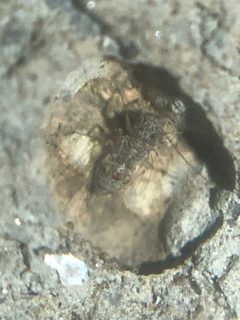
Psyllipsocus is a of cave-dwelling barklice comprising more than 50 described . Members of this genus inhabit dark, humid microhabitats including caves, rock crevices, and similar subterranean environments. The genus was established by Selys-Longchamps in 1872 and represents one of the most species-rich genera within the Psyllipsocidae.


Pronunciation
How to pronounce Psyllipsocus: //ˌsɪ.lɪpˈsoʊ.kəs//
These audio files are automatically generated. While they are not always 100% accurate, they are a good starting point.
Identification
Psyllipsocus are distinguished from other barklice by their troglophilic or troglobitic adaptations, including reduced or absent wings, elongated appendages, and depigmented bodies. They differ from surface-dwelling by their preference for perpetual darkness and stable microclimates. Within Psyllipsocidae, species-level identification requires examination of genitalia and subtle differences in antennal segmentation and body proportions.
Images
Habitat
Dark, humid caves and subterranean rock crevices; also recorded from deep fissures and similar perpetually shaded microhabitats with stable temperature and high humidity.
Distribution
Recorded from southwestern United States (Arizona, California), Mexico (central and northeastern regions), and Guatemala. The has a primarily Nearctic distribution with extension into the northern Neotropics.
Ecological Role
Decomposers in cave , contributing to nutrient cycling through consumption of organic detritus, fungal , and other microscopic food sources in subterranean .
Similar Taxa
- Psyllipsocus ramburiiOften confused with other Psyllipsocus ; P. ramburii is one of the most frequently referenced species in the but lacks the specialized cave adaptations seen in some .
- TrogiomorphaPsyllipsocus belongs to this infraorder, but differs from other in Trogiomorpha by specific antennal and tarsal characteristics diagnostic of Psyllipsocidae.