Echmepteryx hageni
Packard, 1870
scaly-winged barklouse
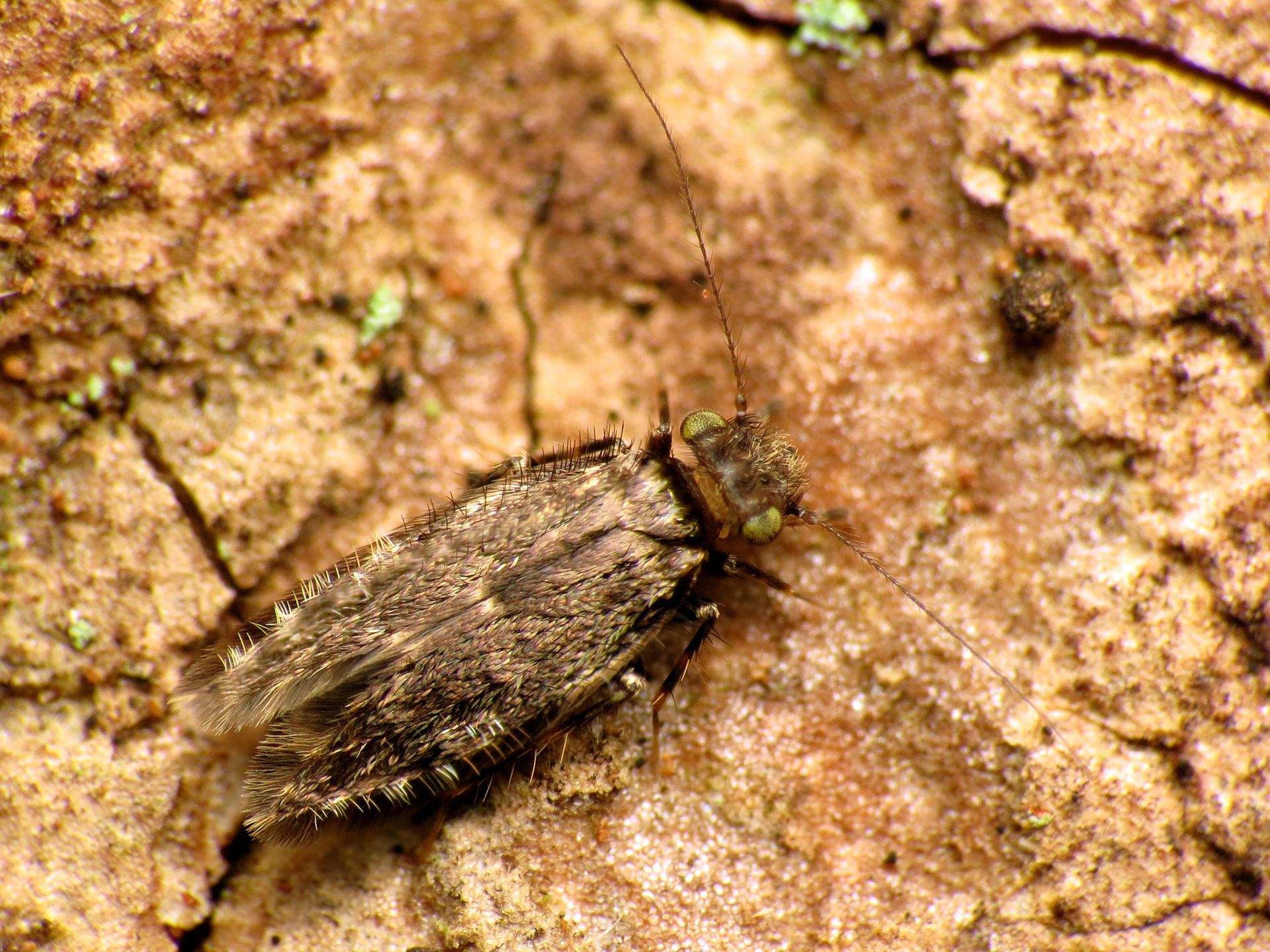
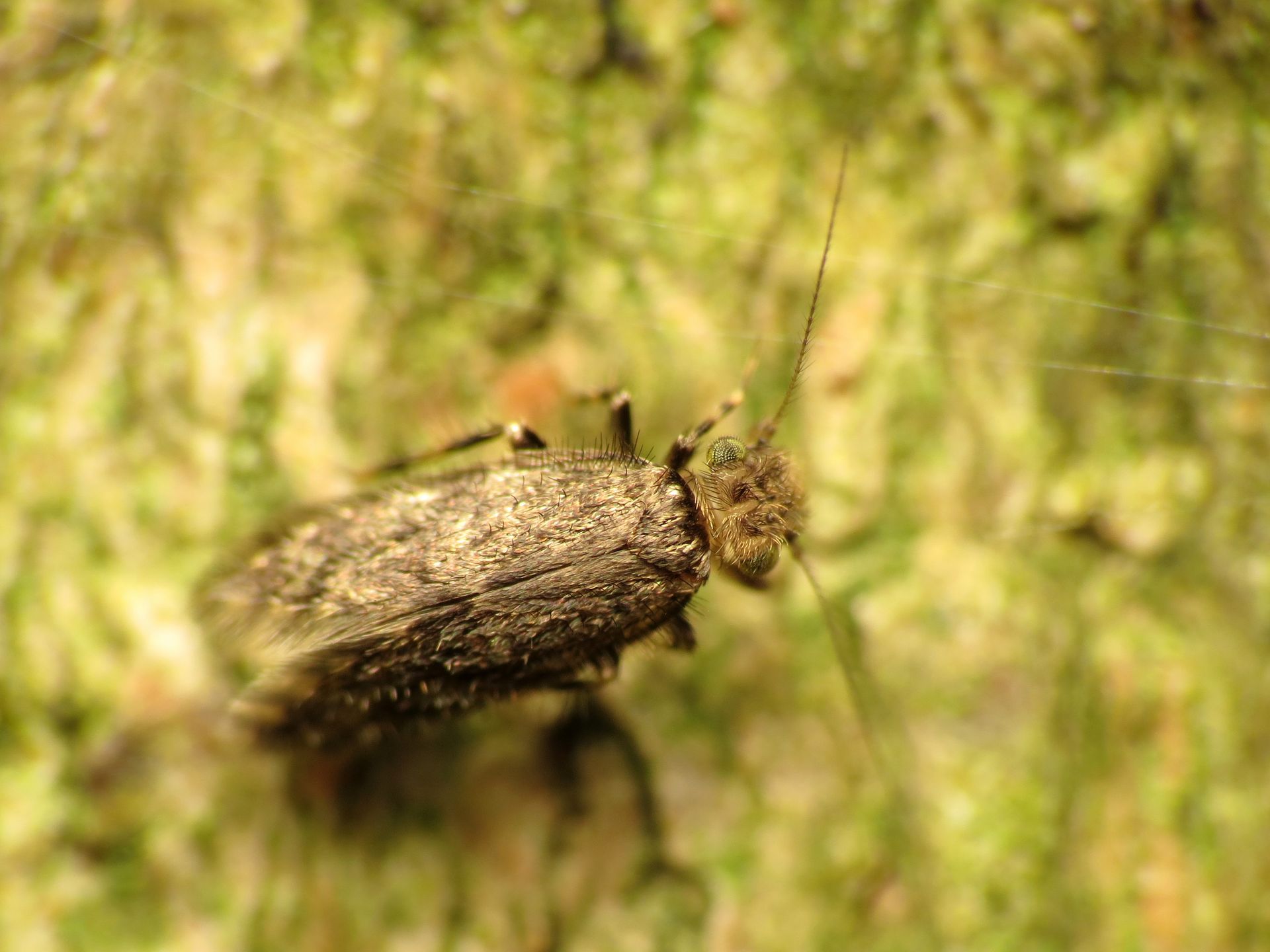
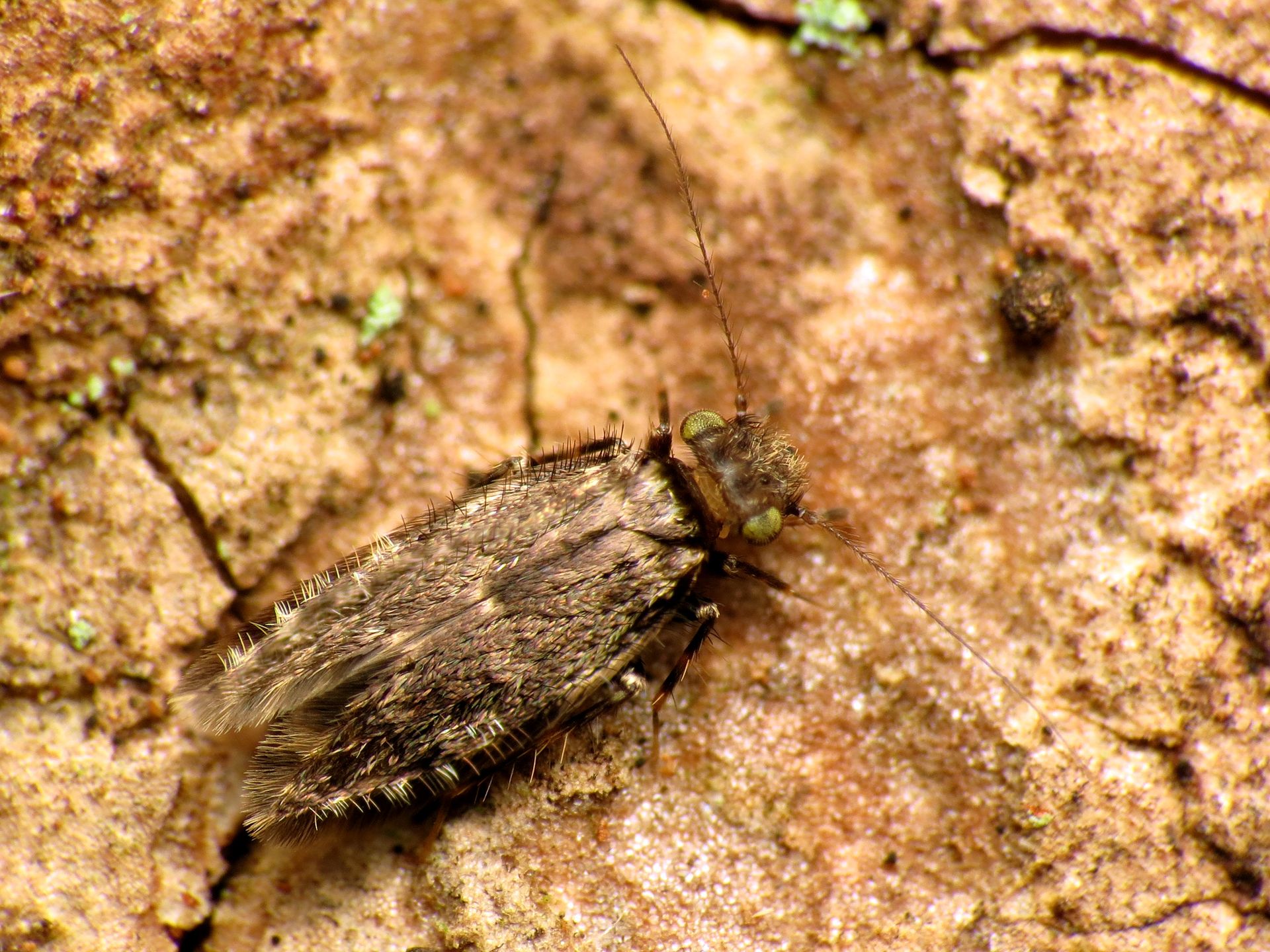
Echmepteryx hageni is a of scaly-winged barklouse in the Lepidopsocidae, first described by Packard in 1870. It is one of approximately 70 species in the Echmepteryx. The species is known from North America, with records from the United States and Canada including Vermont. As a member of the Lepidopsocidae, it possesses the characteristic broad, scaled wings that give the family its .
Pronunciation
How to pronounce Echmepteryx hageni: //ˌɛk.məˈtɛr.ɪks ˈhɑː.ɡɛ.naɪ//
These audio files are automatically generated. While they are not always 100% accurate, they are a good starting point.
Identification
Echmepteryx hageni can be distinguished from other Echmepteryx by features of the male genitalia, including the structure of the phallosome and parameres. The is characterized by broad, scaled wings with reduced venation, a feature shared with other Lepidopsocidae. Specific identification typically requires examination of microscopic characters.
Images
Habitat
Barklice in the Lepidopsocidae are generally found on tree bark, where they feed on lichens, , and other organic material. Echmepteryx are typically associated with wooded .
Distribution
North America: United States and Canada. Specific records include Vermont, USA.
Diet
Feeds on lichens, , and organic detritus on tree bark surfaces.
Ecological Role
Contributes to nutrient cycling in forest through consumption and processing of bark surface organic material including lichens and .
Human Relevance
Barklice are harmless to humans and do not damage structures or living plants. They may occasionally be noticed on tree trunks but are not considered pests.
Similar Taxa
- Other Echmepteryx speciesApproximately 70 exist in the ; differentiation requires examination of male genitalic structures and wing venation patterns.
- Other Lepidopsocidae genera such as Lepidopsocus share the scaled wing characteristic but differ in wing venation, body proportions, and genitalic .
More Details
Taxonomic history
The was originally described by Packard in 1870. The name Echmepteryx is derived from Greek roots, with the Lepidopsocidae established based on the distinctive scaled wings of its members.
Collection records
As of recent data, 769 observations have been recorded on iNaturalist, indicating the is encountered with moderate frequency by naturalists in North America.
Sources and further reading
- BugGuide
- Wikipedia
- GBIF taxonomy match
- iNaturalist taxon
- NCBI Taxonomy
- Don't Miss the Dragonfly Open House Nov. 6 at Bohart Museum of Entomology | Bug Squad
- Dragonfly Enthusiasts, Unite! Open House Set Nov. 6 at Bohart Museum | Bug Squad
- Bohart Museum Open House: Dragonflies Rule! | Bug Squad
- Publications | Entomology Research Museum
- Hagenius brevistylus Archives - Entomology Today
- When pearly-eye meets dragonfly: Northern pearly-eye, Enodia anthedon, and clubtail dragonflies, Gomphidae spp. — Bug of the Week