Stimulopalpus japonicus
Enderlein, 1906
Japanese barklouse
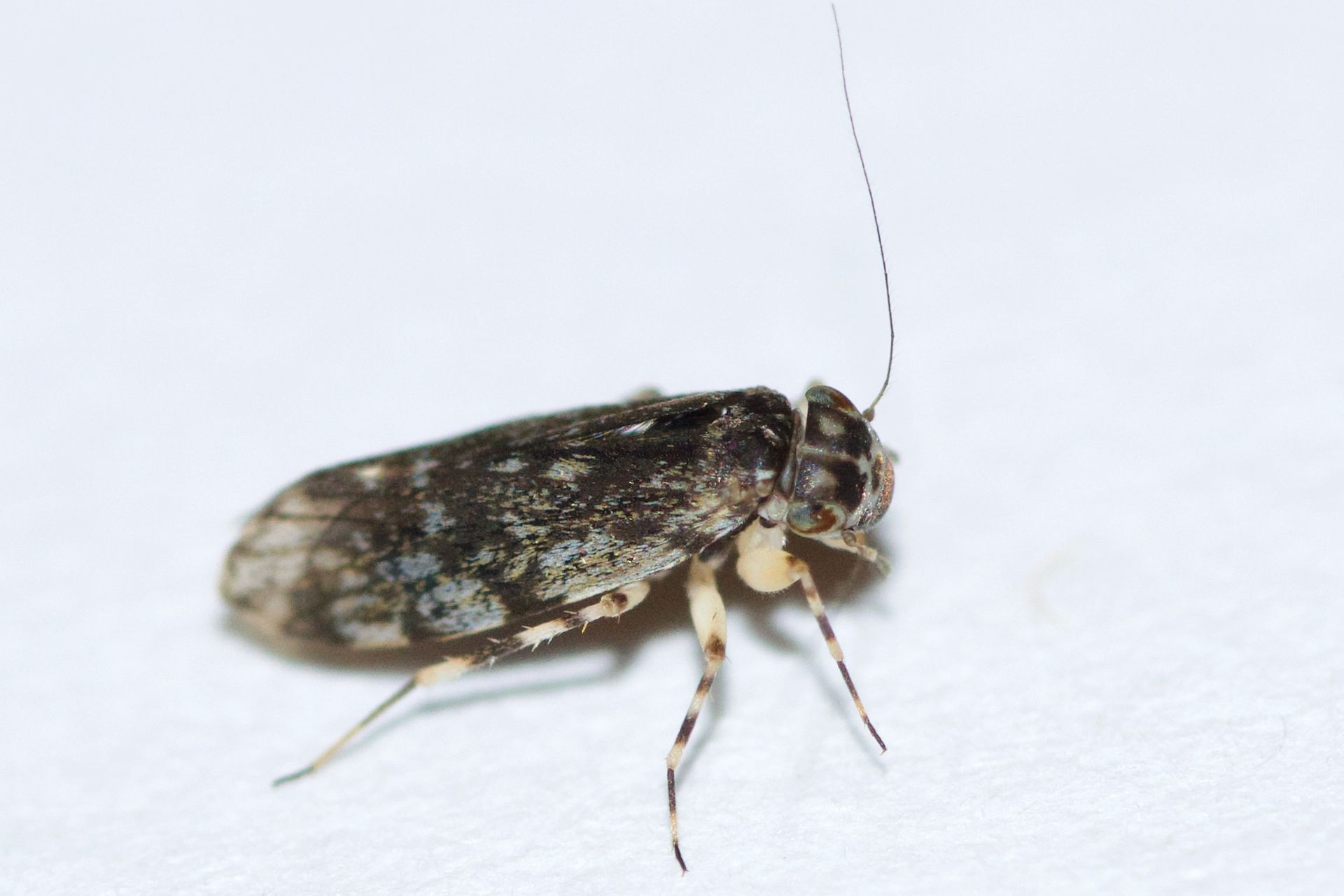
Stimulopalpus japonicus is a tropical barklouse in the Amphientomidae, first described by Günther Enderlein in 1906. Males have never been documented, suggesting females may reproduce via thelytoky (). The species is native to Japan but has established across East Asia, South Asia, and as an introduced species in the United States (since the 1940s) and Italy. It is frequently observed aggregating on rocks and concrete surfaces.


Pronunciation
How to pronounce Stimulopalpus japonicus: /ˌstɪmjʊloʊˈpælpəs dʒəˈpoʊnɪkəs/
These audio files are automatically generated. While they are not always 100% accurate, they are a good starting point.
Images
Habitat
Often found congregating on rocks and concrete surfaces. Native range includes forested and urban environments in Japan and broader East Asian regions.
Distribution
Native to Japan; also documented in East Asia and South Asia. Introduced to the United States (1940s) and Italy. GBIF records confirm presence in Japan, USA, India, and broader North American and Southern Asian regions.
Life Cycle
Males are unknown, suggesting females may reproduce by thelytoky ( producing female offspring). No further details documented.
Behavior
Exhibits aggregating on rocks and concrete surfaces.
Human Relevance
Inadvertently introduced to the United States and Italy, representing a case of accidental human-mediated . No documented economic or health impacts.
More Details
Thelytoky hypothesis
The complete absence of documented males strongly suggests parthenogenetic , though this has not been experimentally confirmed.
Sources and further reading
- BugGuide
- Wikipedia
- GBIF taxonomy match
- iNaturalist taxon
- NCBI Taxonomy
- Catalogue of Life
- Researchers Find La Crosse Virus in Aedes japonicus Mosquitoes
- Why Taxonomic Preparedness is Critical for Invasive Species Response
- In Search for Better Stink Bug Management, Scientists Look Up
- Water Mites Discovered Parasitizing Two Mosquito Species in Pennsylvania
- Non-native pest-controlling wasp in Canada | Blog
- 12 new weevil species discovered using advanced imaging tools